Planning Guides, Style Guide
Wedding Service Template: Ceremony Script Downloads
Jul
Okay So You Need a Ceremony Script Template
Look, I’ve been doing this wedding planning thing for like 15 years now and the number of officiants who show up with absolutely nothing prepared is honestly wild. Or couples who hire their friend to officiate and that friend is like “what do I say though?” two weeks before the wedding. That’s where ceremony script templates come in and honestly they’re gonna save your life.
So here’s the deal with downloadable ceremony scripts – they’re basically pre-written frameworks that you can customize. Think of them like those meal kit services but for weddings. You get the main ingredients and structure, then you add your own flavor. I started collecting and creating these templates back in spring 2019 after this one wedding where the officiant literally forgot their script and tried to wing the entire thing. It was… not great. The couple was mortified and I was standing there with my clipboard thinking “never again.”
What Actually Goes Into a Ceremony Script Template
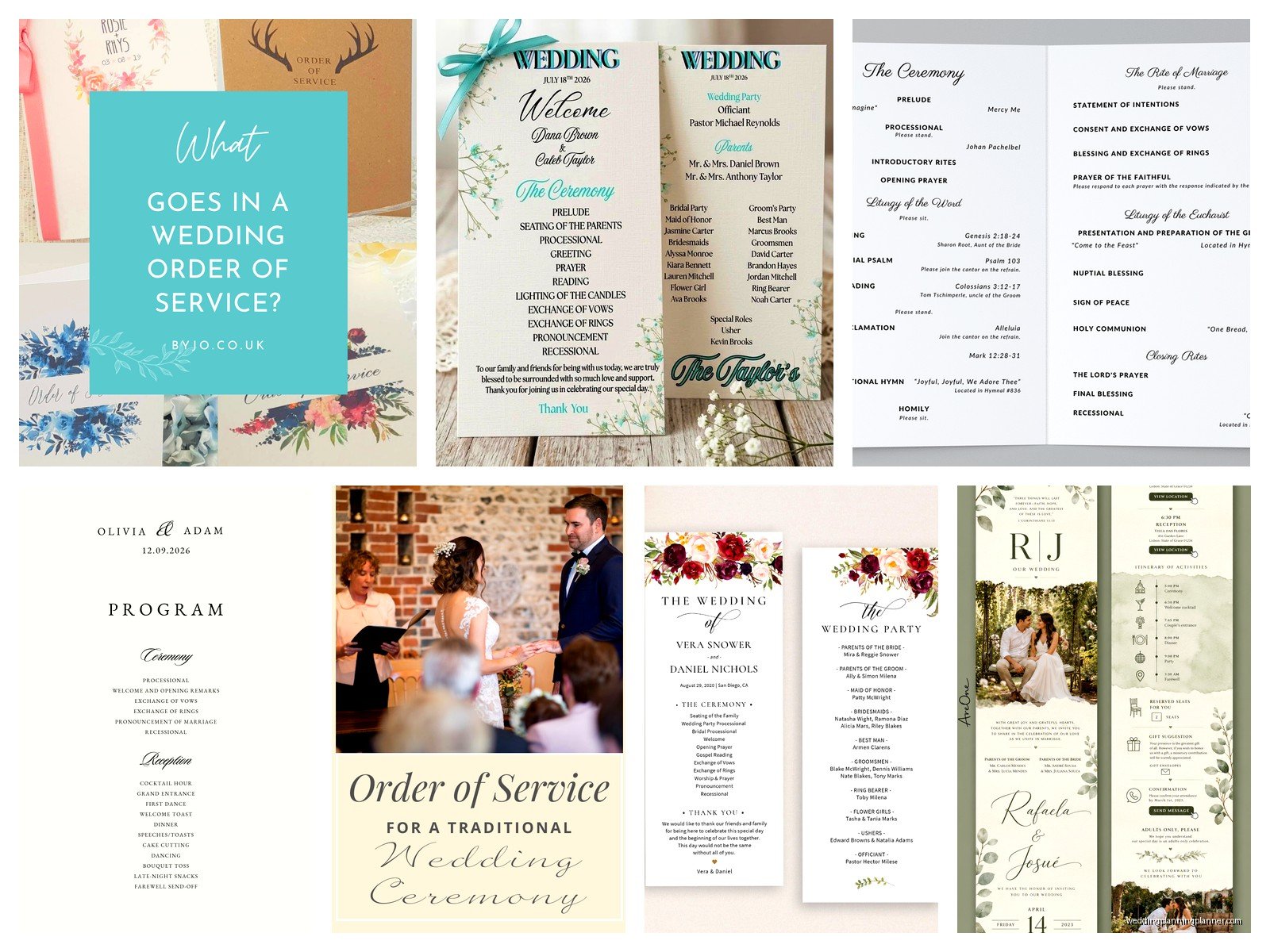
Most decent templates will have these sections and you can pick what you want:
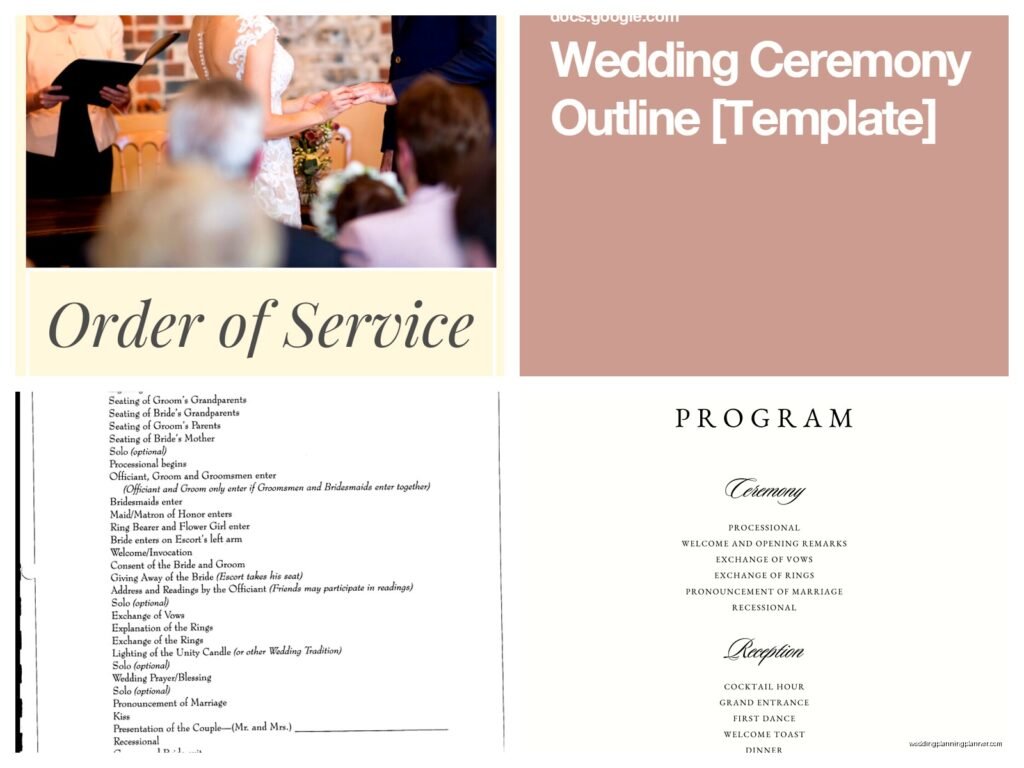
- Processional cues (who walks when, basically)
- Welcome/opening words
- Declaration of intent (the “do you take this person” part)
- Readings or poems section
- Vows exchange
- Ring exchange
- Unity ceremony spot (if you’re doing candles or sand or whatever)
- Pronouncement (the “I now pronounce you” moment)
- The kiss
- Recessional
The thing that really annoyed me for years was that most free templates online are SO generic and formal. Like they all sound like they were written in 1952. “Dearly beloved, we are gathered here today” – which is fine if that’s your vibe! But most couples I work with want something that actually sounds like them, not like a church service their grandparents attended.
Where to Actually Find Good Templates
You’ve got options and some are better than others honestly. I keep a folder on my computer with like 47 different variations because every couple is different and…
Free Options: Websites like The Knot and WeddingWire have basic templates you can download. They’re fine for a starting point but kinda bland. Officiant websites often have them too – just search “non-denominational ceremony script template” or whatever your situation is. Sometimes Etsy sellers will have free samples if you’re on their mailing list.
Paid Templates: These usually run between $15-50 and honestly the mid-range ones around $25-30 are usually the sweet spot. You get more variety, better writing, and often they come in different lengths (15 min, 20 min, 30 min ceremonies). I’ve bought templates from Etsy shops that specialize in this stuff and they’re way more personalized. Some even come with multiple versions like “beach ceremony” or “garden ceremony” or “modern non-religious.”
Officiant Organizations: If your officiant is certified through organizations like AMM (American Marriage Ministries) or ULC (Universal Life Church), they usually provide script templates as part of the package. These are actually pretty good because they’re legally sound – like they include all the required legal language for your state.
How to Actually Use These Templates
So you downloaded a template, now what? Don’t just print it and hand it to your officiant unchanged, that’s gonna sound super robotic.
First thing – read through the whole thing out loud. I’m serious, actually speak it. You’ll catch weird phrasing or sentences that don’t flow. Summer 2021 I had this couple who loved their script on paper but when we did the rehearsal, the officiant kept stumbling over this one paragraph that had like three semicolons and was basically a run-on sentence. We rewrote it in five minutes to sound more natural.
Customization Tips That Actually Matter
Here’s where you make it yours and not just some cookie-cutter thing:
Change the opening: Instead of “Dearly beloved” try something like “Welcome everyone” or “Thank you all for being here” or even “We’re so glad you’re here to celebrate with us.” Match it to how you actually talk.
Add your story: Good templates have a spot where the officiant talks about the couple. Fill this in with real details. How you met, what you love about each other, that stupid inside joke that everyone knows about. My cat knocked over my coffee while I was writing this section for a client last month and honestly the break made me realize their story section was way too formal – we rewrote it to include how they bonded over both being terrible at cooking.
Pick readings that mean something: Templates usually say “INSERT READING HERE” and couples panic. You don’t need a reading! But if you want one, pick something that actually resonates. Could be a poem, song lyrics, a quote from a movie you both love, whatever. I’ve seen readings from Harry Potter, The Office, even a beautiful passage from a video game once.
Personalize the vows section: Even if you’re using traditional vows from the template, you can modify them. Change “in sickness and in health” to “in sickness and health, through good times and bad, whether the Warriors win or lose” if you’re both huge fans. Make it specific to you.
The Technical Stuff Nobody Tells You
Okay so formatting matters more than you’d think. When you’re downloading templates, look for these things:
PDF vs Word Doc – Word docs are better because you can edit them easily. PDFs are fine if you’re gonna retype everything anyway but it’s more work. Some sellers offer both which is ideal.
Font size – this seems dumb but your officiant needs to READ this thing, possibly outside, possibly in bright sun or dim evening light. I always tell people to format the final version in at least 14pt font, maybe 16pt. And use a simple font like Arial or Times New Roman, not something fancy that’s hard to read quickly.
Print it properly – put it in a nice binder or folder. I’ve seen officiants with crumpled papers they’re trying to smooth out mid-ceremony and it just looks messy. Spend the $8 on a simple black portfolio from Staples.
Different Types of Templates for Different Ceremonies
Not all ceremonies are the same obviously and templates should reflect that.
Religious templates: If you want a Catholic ceremony, Jewish ceremony, Hindu ceremony, whatever – make sure you’re getting a template that follows those traditions correctly. Don’t just grab a generic one and try to shoehorn religious elements in, it won’t flow right. There are specific templates for interfaith ceremonies too which can be really helpful when you’re blending traditions.
Non-religious/secular templates: These are super popular now and they’re what I use most often. They focus on the commitment and love without any religious language. Way more flexibility to customize.
Quick ceremony templates: Sometimes you just want a short and sweet ceremony, like 10-15 minutes max. There are templates specifically for this. Great for elopements or couples who don’t want a long formal thing.
Vow renewal templates: Different vibe than a wedding ceremony. These acknowledge you’ve already been married and are celebrating your continued commitment. The language is different, less about “joining together” and more about “continuing the journey.”
What to Do With the Template After You Customize It
So you’ve edited everything, added your personal touches, formatted it nicely. Now you gotta actually use it effectively.
Send it to your officiant at least a month before the wedding. Give them time to read through it, practice it, suggest any changes. A good officiant will want to rehearse this multiple times so it sounds natural and not like they’re reading it for the first time.
Do a full run-through at your rehearsal. Time it. I cannot stress this enough – actually time how long the ceremony takes when someone reads it at a normal pace. You might think your ceremony is 20 minutes but it’s actually 35 and that changes everything about your timeline.
Print multiple copies. One for the officiant obviously, but also have a backup copy. Maybe give one to your wedding planner (hi, that’s me) or your maid of honor. Just in case something happens to the original. I’ve had wind blow scripts away, I’ve had them dropped in puddles, once someone’s dog grabbed one and… yeah.
Common Mistakes People Make With Templates
Okay so having done this for a while, here’s what I see people mess up constantly:
They wait too long to start working on it. Don’t wait until two weeks before your wedding to think about your ceremony script. Start at least 2-3 months out, especially if you’re writing custom vows too.
They don’t consider their audience. If you’re having a super formal wedding with 200 guests, maybe the script that includes a joke about your bachelor party isn’t the vibe. Read the room, or like, the theoretical room.
They forget about timing. A ceremony that looks short on paper can feel really long when you’re standing up there. Or vice versa – what seems substantial might only be 8 minutes when spoken aloud.
They don’t match the script to the officiant’s style. If your best friend is officiating and they’re naturally funny and casual, don’t give them a super formal stuffy script. It’ll sound weird. Match the writing to who’s speaking it.
Making It Sound Natural
The biggest thing with ceremony scripts is that they should sound like a person talking, not a robot reading legal documents. Even though there IS legal language that has to be included (depending on your state), the rest of it should flow conversationally.
I always tell officiants to practice the script like they’re telling a story to friends. Pause where it feels natural. Emphasize words that matter. Make eye contact with the couple and the guests, not just stare at the paper the whole time. The template is a guide, not a teleprompter.
And honestly? It’s okay to go off-script a little bit if the moment calls for it. If something sweet or funny happens during the ceremony, the officiant can acknowledge it. The script is your foundation but you’re not performing Shakespeare here where every word is sacred.
The Legal Stuff You Actually Need
Every state has different requirements for what makes a marriage legal, and your ceremony script needs to include certain elements. Most templates will have this covered but double-check for your specific state:
- Declaration of intent from both parties (basically asking if you want to marry each other and you both saying yes)
- Pronouncement of marriage (the officiant declaring you married)
- Some states require specific wording, so google “marriage ceremony requirements [your state]”
Your officiant should know this stuff too if they’re certified, but it doesn’t hurt to verify. The last thing you want is to have a beautiful ceremony and then find out it wasn’t legally binding because you missed some required phrase.
Honestly Just Start Somewhere
The paralysis of choice is real with ceremony scripts because there are SO many options and you want it to be perfect. But here’s the thing – just pick a template that feels close to what you want and start editing. You can always change it. Nothing is set in stone until your officiant is actually speaking the words on your wedding day.
I keep a running Google Doc with my favorite templates and sections from different ceremonies I’ve done. Sometimes I’ll combine elements from three different templates to create something new for a couple. That’s totally fine to do. Mix and match. Take the opening from one, the ring exchange wording from another, write your own middle section.
The templates are tools, not rules. Use them to make your life easier and your ceremony more meaningful, but don’t stress about finding the one perfect template because it probably doesn’t exist. You’re gonna create it by customizing whatever you start with