Planning Guides, Style Guide
Planning a Small Wedding: Intimate Ceremony Guide
Apr
Okay So Small Weddings Are Actually Way More Complicated Than People Think
Everyone assumes planning a small wedding is easier because there’s fewer people but honestly? That’s kinda backwards. You’ve got the same amount of decisions to make, you’re just making them for 20 people instead of 150, and somehow that makes everything feel MORE important because everyone will notice everything.
First thing you gotta figure out is what “small” even means to you. I had a bride in spring 2023 who kept saying she wanted an intimate wedding and then her guest list was 75 people. Like, that’s not huge, but it’s also not what I’d call intimate? For me, small usually means under 30 guests, truly intimate is under 20, and micro is like 10 or less. The number matters because it affects literally every decision you make.
The Guest List Thing Is Gonna Be Weird
This is where it gets messy. When you’re planning a big wedding, you can kinda hide behind “we’re keeping it small” as an excuse, but when you’re actually keeping it small, people’s feelings get hurt. You’re basically telling 95% of the people you know that they’re not in your top tier, and that’s uncomfortable.
Here’s what I tell clients: decide on your criteria and stick to it. Maybe it’s immediate family only. Maybe it’s immediate family plus people you’ve talked to in the last six months. Maybe it’s just the people who’ve seen you cry or who you’d call in an emergency. Whatever your rule is, it helps when Aunt Martha gets upset that she’s not invited.
One thing that really annoyed me was when a couple tried to do a “secret” small wedding and then got mad when people were hurt they didn’t know about it. Like, you can’t have it both ways? Either own that you’re doing something private or don’t be surprised when people feel excluded. Just be honest about what you’re doing.
Venues For Small Weddings Are Actually Harder To Find
Okay so this is where everyone gets surprised. A lot of traditional wedding venues have minimums – minimum guest counts, minimum spending, minimum food and beverage amounts. I’ve had venues tell couples they need to guarantee at least 50 guests or they can’t book the space. It’s ridiculous but it’s real.
Your best options are usually:
- Private dining rooms at restaurants
- Airbnbs or vacation rentals (check the event policy first)
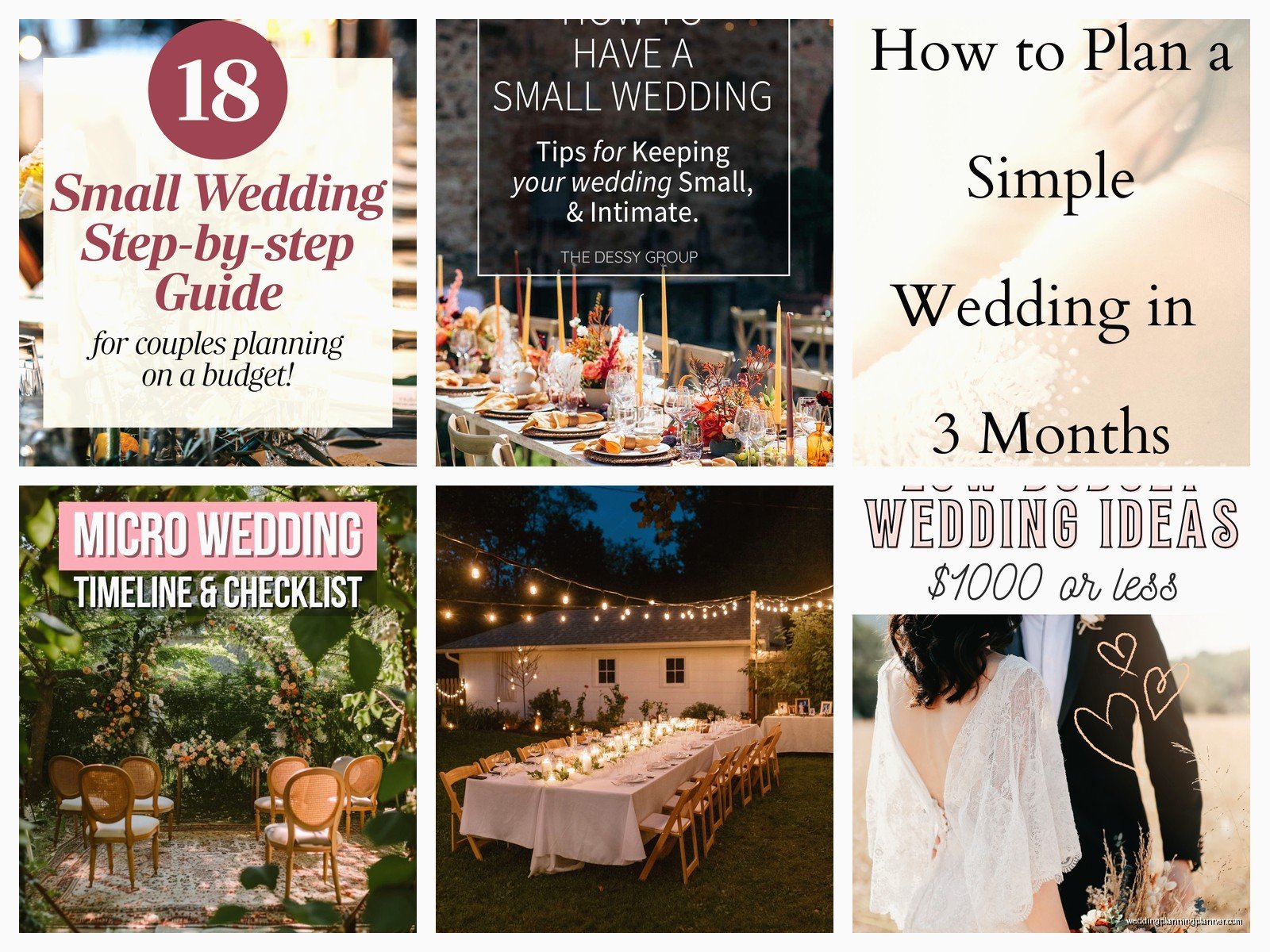
- Your parents’ backyard if they have a nice one
- Small galleries or museums that rent space
- Boutique hotels with small event spaces
- Parks or beaches with permit systems
- Wineries or breweries during off-hours
The restaurant route is honestly underrated. You can book a private room, they handle all the food and drinks, you don’t need to bring in vendors for everything, and the per-person cost usually makes sense. Plus you’re not paying for a huge space you don’t need.
The Ceremony Part Needs Actual Planning
Just because there’s only 15 people watching doesn’t mean you can wing it. You still need an officiant, you still need to think about where people will stand or sit, you still need to figure out the logistics.
For small ceremonies, I usually suggest a semi-circle setup instead of traditional rows. It feels more intimate and nobody’s stuck in a “bad seat.” If you’re doing it at someone’s home, you can literally just have everyone gather around you in the living room or backyard. The formality can be way more flexible.
You still need to do a rehearsal though, even if it feels silly. I had this couple in summer 2021 who skipped the rehearsal because “it’s just our parents and siblings, we’ll figure it out” and then on the day nobody knew when to stand up, when to sit down, or where to… anyway it was chaos and could’ve been avoided with literally 15 minutes of practice.
Invitations and Communication
This is where you can actually save money and be more personal. With a small wedding, you don’t need fancy printed invitations unless you want them. I’ve had couples do phone calls, handwritten notes, or simple digital invitations. When it’s your 20 closest people, a text message isn’t tacky – it’s personal.
That said, you should still give people proper notice. Just because it’s small doesn’t mean it’s last-minute. Send something (anything) at least 6-8 weeks ahead, more if people need to travel. Include the basic info: date, time, location, dress code, whether kids are invited, whether there’s a meal.
For RSVP tracking, you can literally just text people or call them. No need for formal RSVP cards when you’re inviting your mom and your three best friends.
Food Options Are Better Actually
Small weddings give you so much more flexibility with food. You’re not locked into the standard banquet chicken or beef situation. You can do:
- Family-style dinner at a long table
- Food truck for something casual
- Delivery from your favorite restaurant
- Potluck if your crowd is into that
- Fancy tasting menu at a nice restaurant
- Backyard barbecue
- Brunch or lunch instead of dinner
My cat knocked over my coffee while I was writing this section and I had to clean it up, so if this part seems scattered that’s why.
The point is you can actually do what you want instead of what feeds 150 people efficiently. Want Ethiopian food? Sushi? Tacos? Pizza from that place you had on your first date? Do it. Nobody’s gonna complain when there’s only 20 of them.
Photography and Videography Decisions
You might think you don’t need a professional photographer for a small wedding but I’m gonna push back on that. These are still your wedding photos. You’re still gonna want good images. The difference is you might not need someone for 8 hours.
Look for photographers who offer shorter packages – like 2-4 hours instead of full-day coverage. Some photographers will do “elopement” packages that work great for small weddings. You’re basically paying for ceremony coverage, some family photos, and maybe an hour of reception time.
Or honestly? If your budget is tight and you have a friend who’s decent with a camera, that can work too. Just make sure SOMEONE is taking photos and not just relying on phone pics, because the lighting and angles and… you know what I mean.
The Ceremony Details Still Matter
You still need to think about:
- Flowers or some kind of decoration
- Music (even if it’s just a playlist on someone’s phone)
- Seating for guests if anyone’s elderly or can’t stand long
- What you’re wearing
- Rings
- Marriage license and paperwork
- Whether you’re doing vows, readings, any religious elements
For flowers, you can scale way down. Instead of huge arrangements, maybe just your bouquet and some simple centerpieces. Or skip flowers entirely and use candles, greenery, or literally nothing. With a small wedding you can get away with minimal décor because the intimacy itself creates the atmosphere.
Timeline and Schedule
Small weddings can be shorter or they can be longer – it’s totally up to you. You could do a one-hour ceremony and dinner, or you could do a whole weekend retreat with your close people.
A typical small wedding timeline might look like:
- 30 minutes: guests arrive and mingle
- 20 minutes: ceremony
- 30 minutes: photos and cocktails
- 2 hours: dinner
- 1 hour: cake and hanging out
But you can totally adjust this. Some couples do a morning ceremony and lunch. Some do a sunset ceremony and dessert reception. The rules are different when you’re not managing 150 people’s schedules.
Dealing With People’s Opinions
This is the part nobody warns you about. People WILL have opinions about your small wedding. Your mom might be hurt that her college roommate isn’t invited. Your dad might think you’re being cheap. Your friends might make comments about not making it “a real wedding.”
You need to develop a script for this. Something like: “We’re keeping it really intimate with just our closest family” or “We wanted something small and meaningful” or even “This is what works for us and our budget.” Then change the subject.
Don’t justify, don’t explain too much, don’t apologize. It’s your wedding and your decision.
Budget Reality Check
Small weddings are cheaper than big weddings but they’re not FREE. You’re still paying for:
- Venue or location fees
- Food and drinks
- Your outfit
- Flowers or décor
- Photography
- Officiant
- Invitations or communication
- Marriage license
- Maybe hair and makeup
- Cake or dessert
A realistic budget for a small wedding is anywhere from $2,000 to $15,000 depending on your location and choices. You can definitely do it for less if you’re DIYing a lot or having it at someone’s home. But don’t assume it’ll be like $500 total unless you’re literally getting married at the courthouse and going to Olive Garden after.
What You Can Skip Entirely
The nice thing about small weddings is you can drop a bunch of traditional elements without anyone caring:
- Bridal party – you don’t need bridesmaids and groomsmen
- Favors – nobody needs them anyway
- Formal invitations – digital or handwritten works
- Seating chart – just let people sit where they want
- Reception entrance – you’re already there
- Bouquet toss – awkward with 8 female guests
- Garter toss – just no
- Grand exit – you can just leave normally
- DJ – a playlist is fine
Focus on what matters to you and skip the rest. That’s the whole point of a small wedding – doing it YOUR way.
The Stationery Situation
Since this is kinda my specialty, I’ll say that small weddings give you permission to get creative with paper goods. You don’t need the full suite of save-the-dates, invitations, RSVP cards, detail cards, thank you notes, programs, menus, place cards, and whatever else.
For 20 people, you could handwrite everything on nice cardstock. You could design something simple on Canva and print it at home. You could do all-digital and save the paper for something else. Or you could splurge on really beautiful custom invitations BECAUSE you only need 20 of them instead of 150.
Programs are usually unnecessary for small weddings unless your ceremony is complicated or has cultural elements guests might not understand. Menus are nice but optional – with a small group, you can just tell people what’s being served or… they’ll figure it out when the food arrives.
Making It Feel Special
I think sometimes couples worry that a small wedding won’t feel “wedding-y” enough, but that’s actually not a problem if you’re intentional. You can make 20 people feel just as celebratory as 200.
Ways to elevate a small wedding:
- Splurge on one or two elements that matter to you (amazing food, beautiful flowers, great photos)
- Get dressed up even if it’s casual – you should still feel special
- Create some ceremony around the event – toasts, a special playlist, meaningful readings
- Use nice details – real plates instead of paper, good wine, fresh flowers
- Take your time – you don’t have to rush through everything
The intimacy itself is special. You can actually talk to everyone there, you can hear the ceremony without microphones, you can see everyone’s faces during your vows. That’s the stuff you can’t get with a big wedding.
After the Wedding
Don’t forget about thank you notes – yes, even for a small wedding. If people gave gifts or traveled to be there, send a note. With only 20 people, you can write really personal messages instead of generic ones.
Some couples do a bigger party later for everyone who wasn’t invited to the small ceremony, which can work if you want to include more people without actually having a big wedding. Just be clear about what it is – a celebration, not a “second reception” where people feel obligated to bring gifts again.
Random Practical Things I Almost Forgot
Make sure your venue has a bathroom. This sounds obvious but I’ve had couples pick outdoor locations without facilities and then what are your 60-year-old parents supposed to do?
Have a backup plan for weather if you’re outside. Even if it’s just “we’ll move into the garage” or “we’ll bring umbrellas.”
Assign someone to handle logistics day-of, even if it’s small. You don’t wanna be setting up chairs in your wedding dress or wondering where the cake knife is during your own reception.
Consider the season and time of day for photos. Natural light is your friend, especially if you’re not hiring professional lighting.
Make a simple day-of timeline and share it with your key people (officiant, photographer if you have one, parents, whoever’s helping). Even a small wedding needs some structure or you’ll end up eating dinner before the ceremony because nobody knew the plan… okay that might be oddly specific but it happens.