
Planning Guides, Style Guide
Small Wedding Budget: Complete Guide
Apr
Figure Out What You’re Actually Working With
Okay so first thing – and I cannot stress this enough – you need to know your actual number. Not like “oh we’ll probably spend around 10k” but the real amount you can afford without going into debt or draining your emergency fund. I had this couple in spring 2023 who kept saying they had a small budget but wouldn’t tell me the number and it made planning literally impossible because “small” means different things to different people.
Sit down with your partner and look at your bank accounts. Add up what you’ve saved, what family might contribute (get that in writing or at least confirmed, trust me), and what you can realistically save between now and your wedding date. That’s your number. Write it down somewhere you’ll see it because you’re gonna need to reference it like a thousand times.
The Average Small Wedding Budget Reality Check
Most people I work with who say “small budget” are working with anywhere from $3,000 to $15,000. That’s a huge range obviously. Under $5k is gonna be really tight but totally doable. Between $5k-10k gives you more breathing room. Over $10k and you’re in pretty good shape actually for a smaller celebration.
The national average is like $30k or something ridiculous now, but that includes weddings with 150+ guests and all the traditional stuff. You’re not doing that so ignore those numbers completely.
Guest List Is Everything (I Mean It)
This is where you save the most money and also where it gets emotionally messy. Every single person you invite costs you money – food, drinks, invitations, favors if you’re doing those, rentals, everything scales with headcount.
I usually tell people to aim for 30-50 guests max on a tight budget. Under 30 is even better. I know that sounds harsh and your mom is gonna have opinions about Aunt Carol but here’s the thing… or actually, you know what, let me back up.
Calculate your per-person cost. Take your total budget and multiply by 0.4 (that’s roughly what goes to food and venue typically). Divide that by your guest count. If that number is under $20 per person, you’re looking at very casual food options. If it’s $30-50, you’ve got more choices. This math will tell you real quick if your guest list is realistic.
The Intimate Wedding Advantage
Smaller weddings are actually better in a lot of ways that have nothing to do with money. You can actually talk to everyone. People mix and mingle more. It feels more personal and less like you’re hosting a corporate event. I’ve been to 200-person weddings where the couple barely saw each other all night and that just seems kinda sad to me.
Venue Options That Won’t Destroy Your Budget
Alright so venues can eat up like 30-40% of your budget real fast if you’re not careful. Here’s what actually works:
Backyards: Someone’s house or garden. Free venue cost but you’ll need to rent basically everything – tables, chairs, maybe a tent, definitely bathrooms if it’s not close to the house. Still usually cheaper overall though.
Parks and public spaces: Most parks charge like $50-300 for a permit. You’ll have weather concerns and limited amenities but the price is right. Check if they allow alcohol because some don’t.
Restaurants with private rooms: This is honestly underrated. Many restaurants have private dining areas and will do a set menu for groups. You get food and venue in one package, plus they handle setup and cleanup. The markup on alcohol is annoying but it’s still often cheaper than a traditional venue.
Community centers, VFW halls, Grange halls: These are usually $100-500 to rent and they’re not pretty but you can decorate them. They come with tables and chairs usually which saves you rental costs.
AirBnB or VRBO: Rent a cool house for the weekend. Have the ceremony and reception there. Some hosts explicitly allow events, others don’t, so read the rules carefully and communicate clearly.
Timing Matters More Than You Think
Friday or Sunday weddings are cheaper than Saturdays. Morning or brunch weddings are cheaper than evening. Off-season (November through March in most places, except around holidays) gets you better rates on everything. I had a couple do a January wedding once and saved probably $4,000 just on vendor pricing compared to if they’d done June.
Food and Drinks Without Going Broke
Food is gonna be one of your biggest line items no matter what. But there are ways to make it work without serving everyone sad sandwiches.
Brunch or lunch receptions: Way cheaper than dinner. People expect less food. You can do a nice buffet or even heavy appetizers. Mimosas and bellinis are festive and cheaper than a full bar.
Food trucks: Depending on your area, food trucks can be super affordable. One truck can usually handle 50-75 people easy. Tacos, BBQ, pizza – it’s casual but fun and people love it.
Potluck style: Okay hear me out before you judge. For very small, casual weddings, asking close family and friends to contribute a dish can work. You provide the main course and drinks, they bring sides and desserts. It only works if your vibe is super laid-back and your guests won’t be offended.
Costco or Sam’s Club catering: Their party platters are actually good and SO much cheaper than traditional catering. You can get sandwich platters, salads, cheese and fruit trays. Not fancy but totally adequate.
Limited bar vs. open bar: An open bar with full liquor is expensive. Beer and wine only cuts costs significantly. Or do a signature cocktail plus beer and wine. Or – and this annoys some people but whatever – have a cash bar. Your call on that one.
The Thing That Really Annoyed Me
You know what drives me crazy? When people say “just have cake and punch” like it’s still 1950. Nobody wants to go to a wedding at 6pm and be served only cake. Your guests need real food. I don’t care if it’s pizza or a taco bar, but feed people an actual meal if you’re having them there during meal times. This shouldn’t be controversial but I’ve seen too many couples try to skip food entirely and it never goes well.
DIY What Makes Sense (Not Everything)
There’s this pressure to DIY everything when you have a small budget and honestly? Some things are worth DIYing and some are just gonna stress you out and look homemade in a bad way.
Good DIY Projects
- Invitations if you’re crafty or good with design software (I’m biased here obviously since I consult on stationery, but you can make beautiful invites yourself or use quality templates from Etsy)
- Centerpieces using grocery store flowers or non-floral options
- Signage and paper goods
- Favors if you’re doing them (though honestly skip favors, nobody needs more stuff)
- Playlist instead of a DJ if you have good speakers and someone to manage it
- Simple ceremony backdrop using fabric or a wooden arch you borrow or rent
Bad DIY Projects
- Your own wedding cake (too stressful the day before, too easy to mess up)
- Complex floral arrangements unless you’re actually trained
- Photography (please don’t just rely on guests’ phones for your only photos)
- Your own makeup on the wedding day if you don’t normally wear makeup
I spent like three weekends in summer 2021 helping a couple make paper flowers for their centerpieces and by the end we all wanted to burn them. They looked fine but the time investment was insane. Sometimes it’s worth paying someone or going simpler.
What to Splurge On (Yes Really)
Even with a small budget you should prioritize a couple things:
Photography: You need at least one professional there for part of the day. Look for newer photographers building their portfolio who charge less, or hire someone for just 2-3 hours instead of all day. But get some good photos.
Food quality: Not quantity or fanciness, but make sure what you serve tastes good and is enough. Hungry guests are unhappy guests.
Something that matters specifically to you: If you love flowers, allocate more there. If you don’t care about flowers but want great music, spend there instead. Pick your one or two things.
Attire On A Budget
Wedding dresses can be $200 or $2,000. You’ve got options.
Check out ASOS, Lulus, Reformation, or Azazie for affordable new dresses. Stillwhite and PreOwnedWeddingDresses sell used gowns in great condition. Rent the Runway does wedding dress rentals. David’s Bridal has dresses under $500. Or honestly? Wear a white or ivory dress from a regular store. It doesn’t have to be labeled “wedding dress” to work.
For suits and tuxes, rent or buy off the rack and get it tailored. Much cheaper than traditional formalwear rental places. My cat actually knocked over a whole display of suit swatches once while I was meeting with a groom and it was chaos but also kinda funny in retrospect.
Flowers and Decor
Flowers are beautiful but also expensive and they die immediately which always seems like a waste to me but anyway.
Grocery store flowers arranged simply in mason jars or bud vases look lovely. Trader Joe’s has great cheap flowers. You can also do non-floral centerpieces – books, candles, greenery, fruit, lanterns, whatever fits your vibe.
For your bouquet, you can order wholesale flowers online and arrange them yourself, or carry a single dramatic stem, or do a small bouquet of grocery store flowers. Bridesmaids can carry single flowers instead of full bouquets.
Greenery is cheaper than flowers and looks lush. Eucalyptus, ferns, ivy – these stretch further and cost less.
Borrow and Rent Decor
Check with friends and family who’ve gotten married recently. Borrow their stuff. Also look for wedding resale groups on Facebook where people sell their decor after their wedding. You can furnish your whole reception for like $100 sometimes.
Invitations and Paper Stuff
Okay so this is my area and I’m gonna try not to go overboard but paper goods can add up fast if you’re not careful.
For a small wedding you might not even need formal invitations. You could do digital invites through Paperless Post or Greenvelope. Saves money and postage and printing. If you want physical invites, print them yourself or use an online printer like Catprint or Minted during a sale.
You don’t need save the dates for a small wedding usually, especially if it’s not a destination. You don’t need programs if your ceremony is short and simple. You probably don’t need menus or escort cards for a casual reception.
What you do need: some way to officially invite people (digital or printed), and maybe a sign or two at the venue. That’s it really.
Music and Entertainment
DJs cost anywhere from $500-2500 usually. Bands cost more. If that’s not in your budget, create a killer playlist on Spotify and rent or borrow good speakers. Assign someone to be in charge of managing it – starting songs, adjusting volume, whatever.
You don’t need entertainment beyond music honestly. People can just talk to each other. Revolutionary concept I know.
The Actual Budget Breakdown
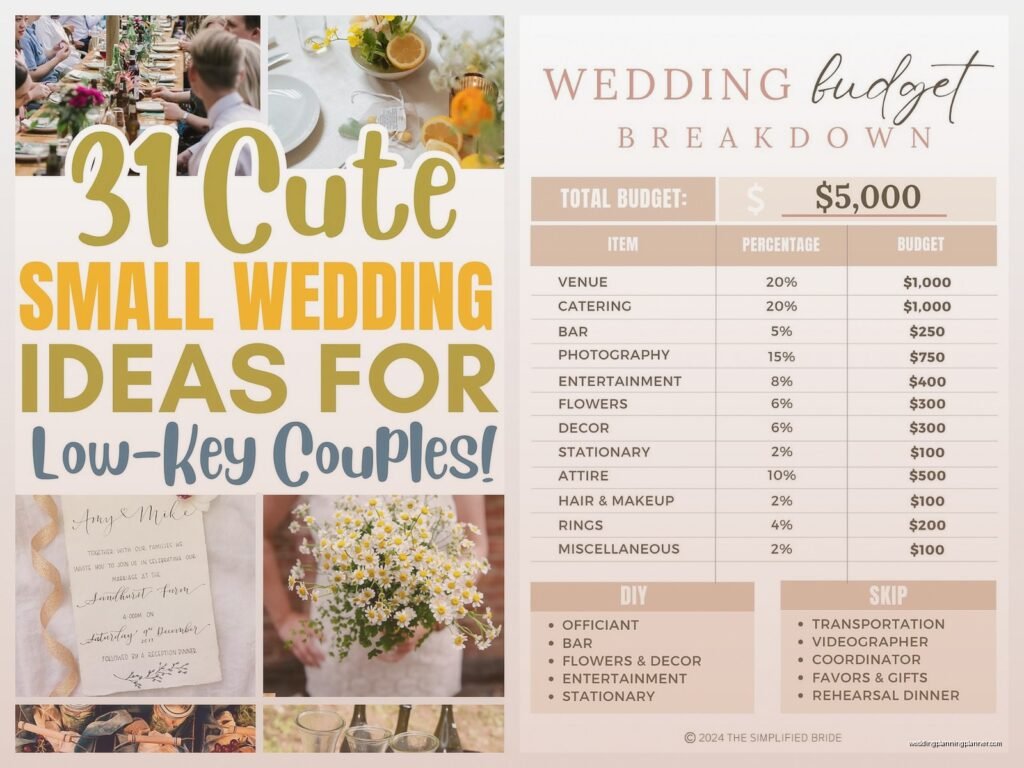
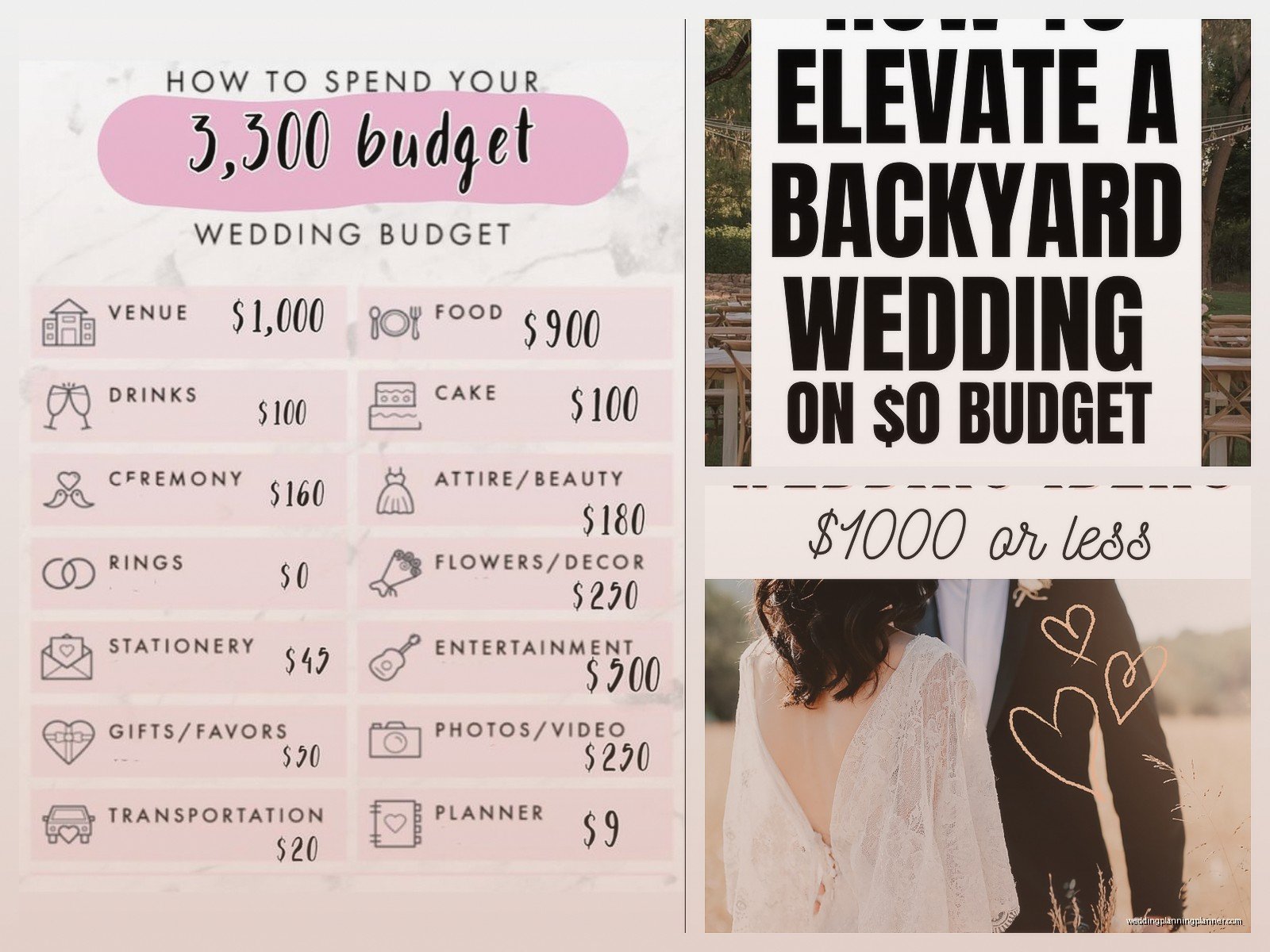
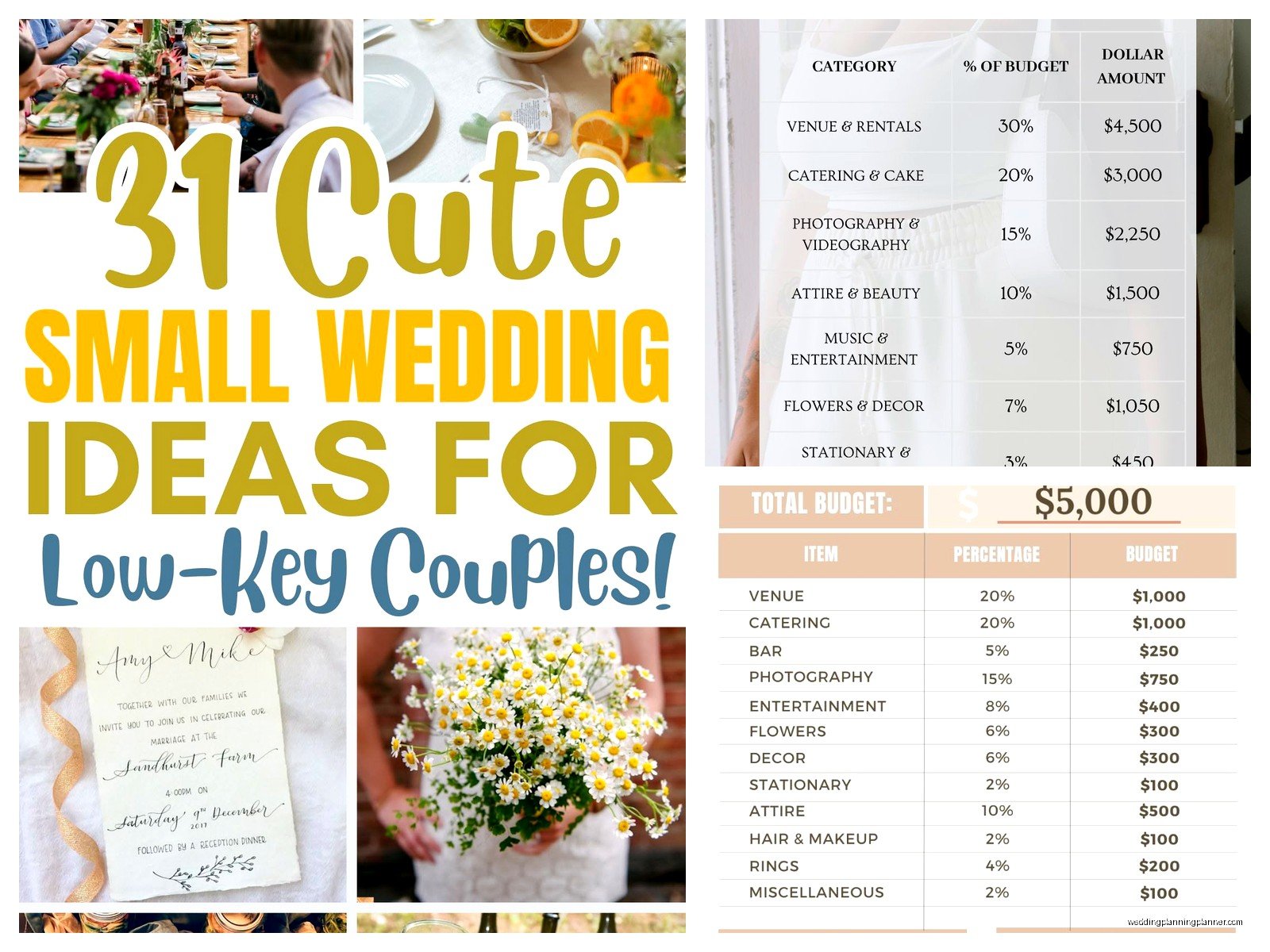
Here’s roughly how I’d allocate a $10,000 budget for 40 guests (adjust percentages for your number):
- Venue and rentals: $1,500
- Food and drinks: $2,500
- Photography: $1,200
- Attire: $800
- Flowers and decor: $600
- Invitations and paper: $200
- Music: $400
- Officiant: $200
- Cake or dessert: $300
- Miscellaneous and emergency fund: $2,300
That miscellaneous fund is important because something always costs more than you thought or you forget something or whatever. Keep at least 20% of your budget as buffer.
Things You Can Probably Skip
Real talk, these things are nice but not necessary:
- Favors (seriously nobody needs them)
- Elaborate ceremony programs
- Chair covers and sashes
- A photobooth (people have phones)
- Fancy transportation unless you’re going between venues
- Wedding party gifts (or keep them very small and meaningful)
- Guest book (or do a creative free option)
- Unity candle or sand ceremony stuff
- Flower girl petals and ring bearer pillow
Negotiating and Asking for Discounts
Some vendors will work with your budget if you ask. Be honest about what you can spend. Ask if they have smaller packages or off-season rates or weekday discounts. The worst they can say is no.
For photographers, ask if they have shorter coverage options or if they’d do just digital files without prints or albums. For venues, ask what’s included and what you can bring yourself. For caterers, ask about drop-off service instead of full-service which is cheaper.
Also tell vendors upfront it’s a small wedding. Some charge less for smaller events because it’s less work.
Free Stuff That Actually Helps
There are things that cost nothing that make weddings better. Good lighting if you’re somewhere with string lights or candles. Asking talented friends to contribute their skills – someone to do your makeup, someone to take some photos, someone to make your cake. Using seasonal and local elements that you don’t have to buy.
Your venue might have stuff you can use included. Many places have chairs and tables obviously but also sometimes arches or decorations from other events.
Managing Expectations
This is gonna sound harsh but you can’t have a Pinterest-perfect wedding on $5,000. You just can’t. And that’s totally fine because those weddings are often more about the photos than the actual experience anyway.
What you can have is a beautiful, meaningful celebration that doesn’t put you in debt. You can have amazing food and your favorite people and a dress you feel great in and flowers that smell good and music you love. That’s actually what matters.
Some family members might not get it. They might think you should spend more or do things traditionally. You’re gonna have to let that go and stay focused on what works for you and your budget. It’s your wedding and your money and your future financial health.
Tracking Everything
Use a spreadsheet or an app to track every expense. Write down your budget for each category and update it as you spend. It’s so easy to lose track and suddenly realize you’ve spent $800 more than you meant to on decor because you kept adding “just one more thing.”
I use Google Sheets for my clients usually because it’s free and you can both access it and it’s really easy to… wait I was talking about you tracking your budget not me tracking client stuff. Anyway yeah use whatever system works but track everything including small purchases because those add up weirdly fast.