Planning Guides, Style Guide
Wedding Stationery Packages: Complete Suite Bundles
May
What Actually Goes Into a Complete Wedding Stationery Suite
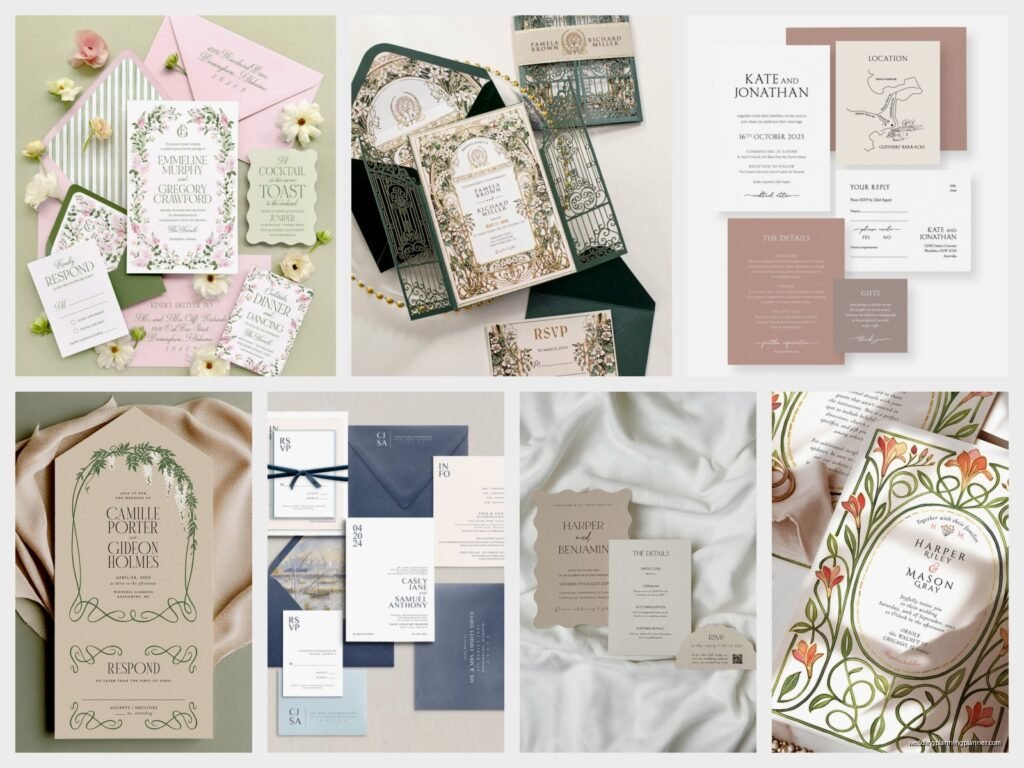
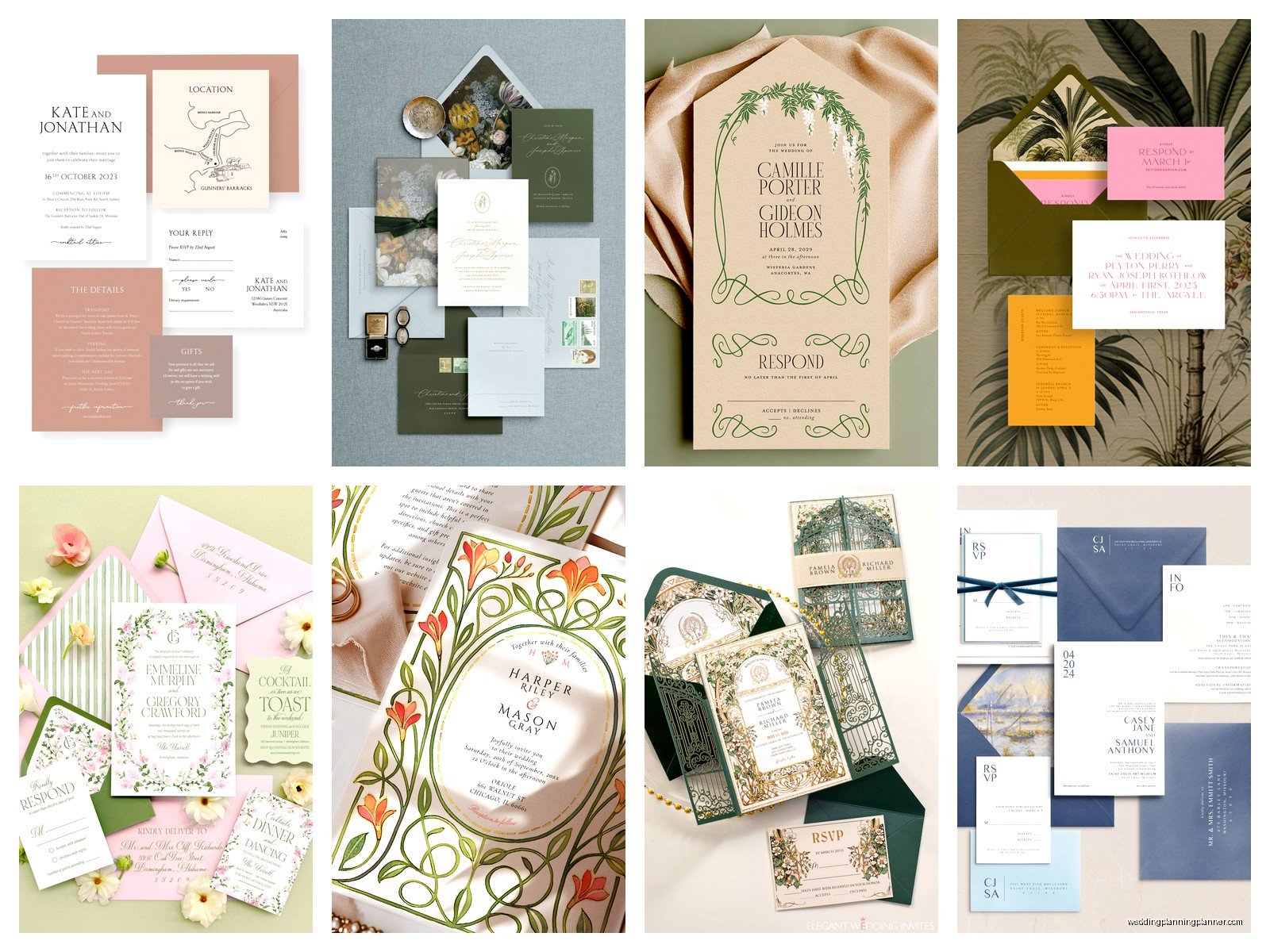
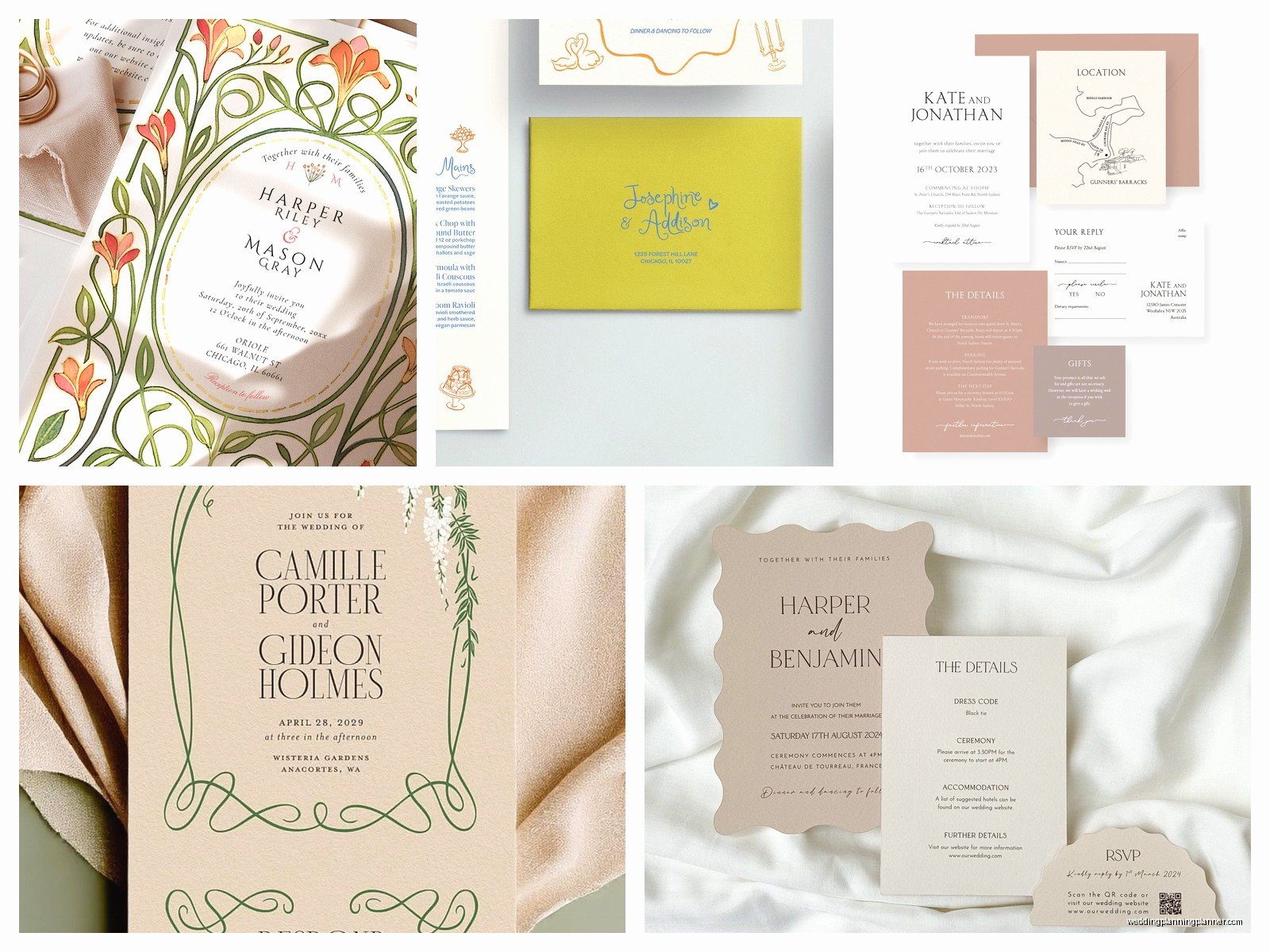
Okay so wedding stationery packages are basically bundles of all the paper goods you need for your wedding, and honestly they’re kinda genius because they keep everything looking cohesive without you having to think about it too much. The typical complete suite includes your save-the-dates, invitations (obviously), RSVP cards with envelopes, details cards, reception cards, and then day-of stuff like programs, menus, place cards, table numbers, and maybe a welcome sign or seating chart.
I had this bride in spring 2023 who ordered everything separately from different vendors because she thought she’d save money and the nightmare that followed… let me tell you, nothing matched. The fonts were different, the paper weights were all over the place, and her “blush pink” save-the-dates were basically salmon while her invitations were more mauve. She ended up spending an extra $800 fixing it all.
The Core Pieces You Actually Need
Save-the-dates go out first, usually 6-8 months before the wedding. These are optional technically but I’d say 90% of couples do them now, especially if you’re having a destination wedding or lots of out-of-town guests. They don’t need to be fancy – just your names, date, location (city at least), and “formal invitation to follow.”
The invitation itself is the main event. This includes the actual invitation card, an RSVP card with a pre-addressed and stamped envelope (please stamp them, your guests are more likely to actually send them back), and usually a details card. The details card is where you put your wedding website, hotel block info, dress code, whatever doesn’t fit on the main invitation without making it look cluttered.
Some suites include reception cards if your ceremony and reception are at different locations or if the reception is significantly later. You might also see direction cards in older packages but honestly just put that info on your website now, nobody needs a printed map in 2024.
Day-Of Stationery That People Forget About
This is where couples get surprised by costs because they focus so much on invitations and then realize two months before the wedding that they need like eight other things. Programs are nice if you’re having a religious ceremony or want to explain what’s happening, but totally skippable for casual weddings.
Menus depend on your reception style – if you’re doing plated dinner with choices, you probably want them. Buffet? Nah, waste of money unless you just want them for aesthetic reasons. Place cards are essential if you’re doing assigned seating, and table numbers are necessary unless you’re doing a really small wedding.
The seating chart is that big sign or display that tells people which table they’re at. You can get creative here – I’ve seen mirror seating charts, acrylic ones, wooden signs, framed prints. My cat actually knocked over a seating chart display the night before a wedding I was setting up and we had to emergency reprint the whole thing at FedEx at like 10pm, but that’s another story.
Bundle Pricing vs Buying Separately
Here’s the thing about packages – they usually save you 15-30% compared to ordering each piece individually. Most stationery designers and companies offer tiered packages like “Essential,” “Deluxe,” and “Complete” or whatever names they wanna use.
An essential package might just be save-the-dates, invitations, and RSVP cards. Deluxe adds details cards, programs, and menus. Complete gives you literally everything including thank you cards, which you’re gonna need anyway so might as well include them.
When I price out packages for clients, I typically see savings because the designer is doing all the work at once – they’re setting up your design template one time and applying it across all pieces rather than starting from scratch multiple times. Plus they’re ordering paper in bulk for your job which sometimes gets them better pricing from their suppliers.
Customization Options Within Packages
Most package deals let you customize what you actually need. Like if you don’t want programs, you can usually swap them out for extra place cards or add a welcome sign instead. Good vendors are flexible about this.
You can also usually upgrade certain elements – maybe you want basic cardstock for most things but fancy letterpress for the actual invitation, or you want foil stamping on just the envelopes. These upgrades cost extra but they’re often cheaper when bundled than if you… wait, where was I going with this? Oh right, cheaper than if you tried to source that one fancy element separately.
What really annoys me is when companies advertise package pricing but then charge you almost the full individual price to swap items. Like “oh you don’t want programs? That saves you $50 but adding a seating chart costs $200 even though programs would’ve cost $180 standalone.” That’s shady and I call it out when I see it.
Timeline for Ordering Stationery Packages
Save-the-dates should be ordered about 8-9 months before your wedding so they can go out 6-8 months ahead. Invitations need to be ordered at least 4-5 months out so you can mail them 8-10 weeks before the wedding. This gives people time to RSVP by your deadline, which should be about 3-4 weeks before the wedding.
Day-of stationery can be ordered later, maybe 3-4 months before, but you need final guest counts and meal choices and seating arrangements first. I usually tell couples to order everything except place cards and seating charts early, then do those last two pieces once you have final numbers.
Some packages let you order in phases which is super helpful for budgeting. You pay for save-the-dates first, then invitations a few months later, then day-of stuff last. Just make sure the designer holds your design and pricing – you don’t want them to be like “oh sorry, that paper is discontinued now” or raise their prices between phases.
Digital vs Print Packages
Okay so digital invitations are definitely a thing now and some couples do hybrid packages – printed save-the-dates but digital invitations, or vice versa. There are also fully digital packages that include email save-the-dates, digital invitations, and even digital programs that guests access via QR code at the ceremony.
Digital packages are obviously cheaper, usually like $100-300 for everything versus $800-2000+ for printed suites. But here’s what I tell couples: if you’re having a formal wedding, printed invitations still carry more weight. Your grandma wants something she can put on her fridge, you know?
A good compromise is printed invitations for your older guests and close family, digital for everyone else. Some package deals specifically offer this hybrid approach where you get like 50 printed invitations plus unlimited digital sends.
What Affects Package Pricing
Paper quality is huge. Basic cardstock packages might start at $500-800 for 100 invitations and day-of stuff, but if you want cotton paper or thick luxury cardstock, you’re looking at $1200-1800. Letterpress, foil stamping, or embossing can add $400-1000 to a package.
Printing method matters too – digital printing is cheapest, then thermography (that raised printing), then letterpress and engraving are the most expensive. You’ll also pay more for custom illustrations or monograms versus using the designer’s existing templates.
Assembly is another cost people forget about. Some packages include assembled invitations – like they’re already layered with belly bands or ribbons or stuck into pockets. Others ship you all the pieces and you gotta assemble them yourself, which honestly can be kinda fun if you have bridesmaids who are crafty, but it’s also time-consuming and you might mess some up.
Envelopes are weirdly expensive. Colored envelopes cost more than white, and envelope liners (those pretty papers inside the envelope) add $1-3 per invitation. Envelope addressing – whether calligraphy or digital printing – is usually extra too, like $1-4 per envelope depending on the method.
Common Package Mistakes
Ordering too early is actually a thing. I know it sounds weird but if you order your whole suite 12 months out, your style preferences might change, or your wedding details might change, or that color you loved might look different when you’re closer to the wedding and have actual decor samples.
Not ordering enough extras is the mistake I see most often though. Get at least 10-15 extra invitations for keepsakes, last-minute additions, and mistakes. For day-of stuff, order 10% extra place cards and menus because people WILL spill wine on them or you’ll have unexpected plus-ones.
Skipping proofreading is gonna haunt you. Read everything three times. Have someone else read it. Check dates, times, addresses, spelling of names and venues. I had a groom whose name was “Brendan” and the invitations said “Brandon” – 200 invitations that had to be reprinted.
Not considering postage is another one – big invitation suites with multiple inserts and fancy thick paper can require extra postage. Take a fully assembled invitation to the post office and have them weigh it before you buy stamps. Hand-canceling (asking the post office to manually process them instead of running them through machines) costs a bit extra but prevents damage.
Where to Buy Packages
You’ve got lots of options here. Independent designers and stationers offer the most customization but cost more, usually $1000-3000+ for complete packages. They’ll work with you one-on-one, do custom designs, source special papers, all that.
Online companies like Minted, Zazzle, Wedding Paper Divas (well, they merged with Shutterfly), Paperless Post offer template-based packages for $300-1200. Less customization but way easier and faster, plus they handle printing and can ship directly to you assembled.
Etsy has tons of designers who sell packages at mid-range prices, like $500-1500. You usually buy a design template and either print it yourself or they can recommend printers. Quality varies wildly though so read reviews carefully.
Local print shops sometimes offer package deals too, especially if they specialize in wedding stationery. These can be good values and you get face-to-face service.
Negotiating Package Deals
Most designers have some flexibility in their pricing, especially if you’re ordering a lot or if you’re willing to compromise on certain elements. During a really stressful situation in summer 2021 – right when weddings were coming back after COVID – I had a bride whose budget got destroyed by venue price increases and I helped her negotiate with her stationer.
We switched from letterpress to digital printing on everything except the invitation itself, skipped envelope liners, and did her own assembly. She saved like $900 and her stationery still looked gorgeous. Don’t be afraid to ask “what can we change to bring this down $500?” or whatever your target is.
Some designers offer payment plans for packages, especially if you’re ordering 6-8 months out. They might do 50% deposit, then 25% when invitations ship, final 25% when day-of items ship.
DIY vs Professional Packages
You can definitely DIY your stationery suite – buy templates from Etsy or Creative Market, print at home or through an online printer, assemble yourself. This can save you 50-70% compared to professional packages.
But real talk? It’s more work than people think. You need a good printer or you’re making multiple trips to FedEx. You need to figure out paper sizes and weights. You’re doing all the assembly which for 150 invitations can take like 10 hours. And if something goes wrong, you’re fixing it yourself.
I usually recommend DIY for small weddings under 50 guests or for couples who genuinely enjoy crafting. For bigger weddings or if you’re already stressed, spend the money on a package. Your time is worth something and wedding planning is exhausting enough without adding hours of paper cutting and glue dots.
Some couples do a hybrid approach – buy professional invitations but DIY the day-of stuff since it’s less critical if those aren’t perfect. That’s a pretty reasonable middle ground actually.
Reviewing Package Proofs
Before anything gets printed, you’ll receive digital proofs of your designs. Review these SO carefully. Check colors on an actual computer screen, not your phone, because colors display differently. Verify all information is correct – dates, times, names, addresses, website URLs.
Look at spacing and alignment. Make sure nothing looks crowded or awkwardly placed. Check that fonts are readable, especially at smaller sizes like on RSVP cards or place cards.
If you ordered physical samples of paper or printing methods, compare those to your proofs to make sure you’re happy with how everything will look together. Most designers include one or two rounds of revisions in their package pricing, but after that you might pay extra for changes, so get it right early.
Once you approve proofs, that’s it – you can’t make changes without paying for a reprint. So take your time with this step even if you’re excited to move forward.