Planning Guides, Style Guide
Invitation Outline: Design & Ordering Guide
Jun
Getting Your Invitation Design Actually Figured Out
Okay so the invitation outline is basically your roadmap before you commit to anything expensive or permanent. I learned this the hard way back in spring 2023 when a bride ordered 200 invitations with the wrong ceremony time because we skipped the outline step and just… went for it. Never again.
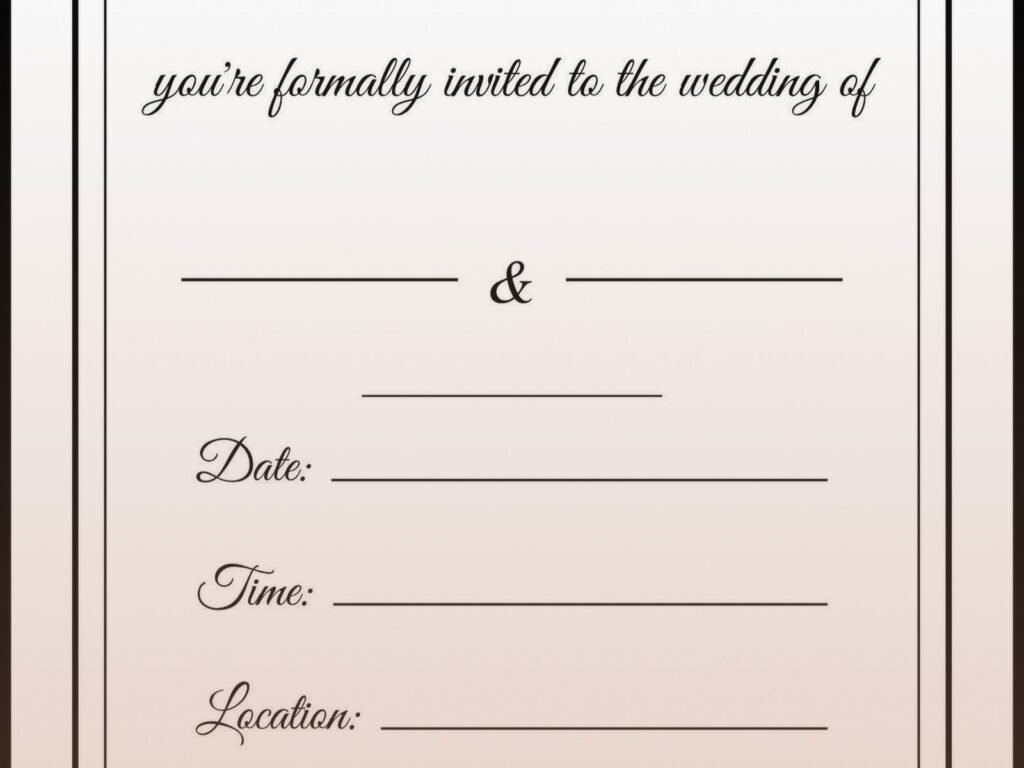
Start with your information hierarchy. What needs to go on this thing? You’ve got the couple’s names obviously, the date, time, location, and then all the other stuff that people forget until the last minute. Write it ALL down in a Google doc or whatever before you even think about fonts or colors.
The Essential Information List
Here’s what you gotta include, and I’m gonna be real specific because this is where people mess up:
- Host line (who’s inviting guests – traditionally parents but honestly this is 2025 so do whatever)
- Request line (the actual invitation part like “request the honor of your presence”)
- Couple’s names (full legal? nicknames? just first names?)
- Date and time spelled out completely
- Venue name and city/state
- Reception details if it’s at a different location or time
- Dress code if you have one
Then you’ve got your enclosure cards which is a whole other thing. RSVP cards, details cards for hotel blocks and website info, direction cards if your venue is in the middle of nowhere (looking at you, every barn venue ever), reception cards if ceremony and reception are separate.
Design Direction Before You Talk to Anyone
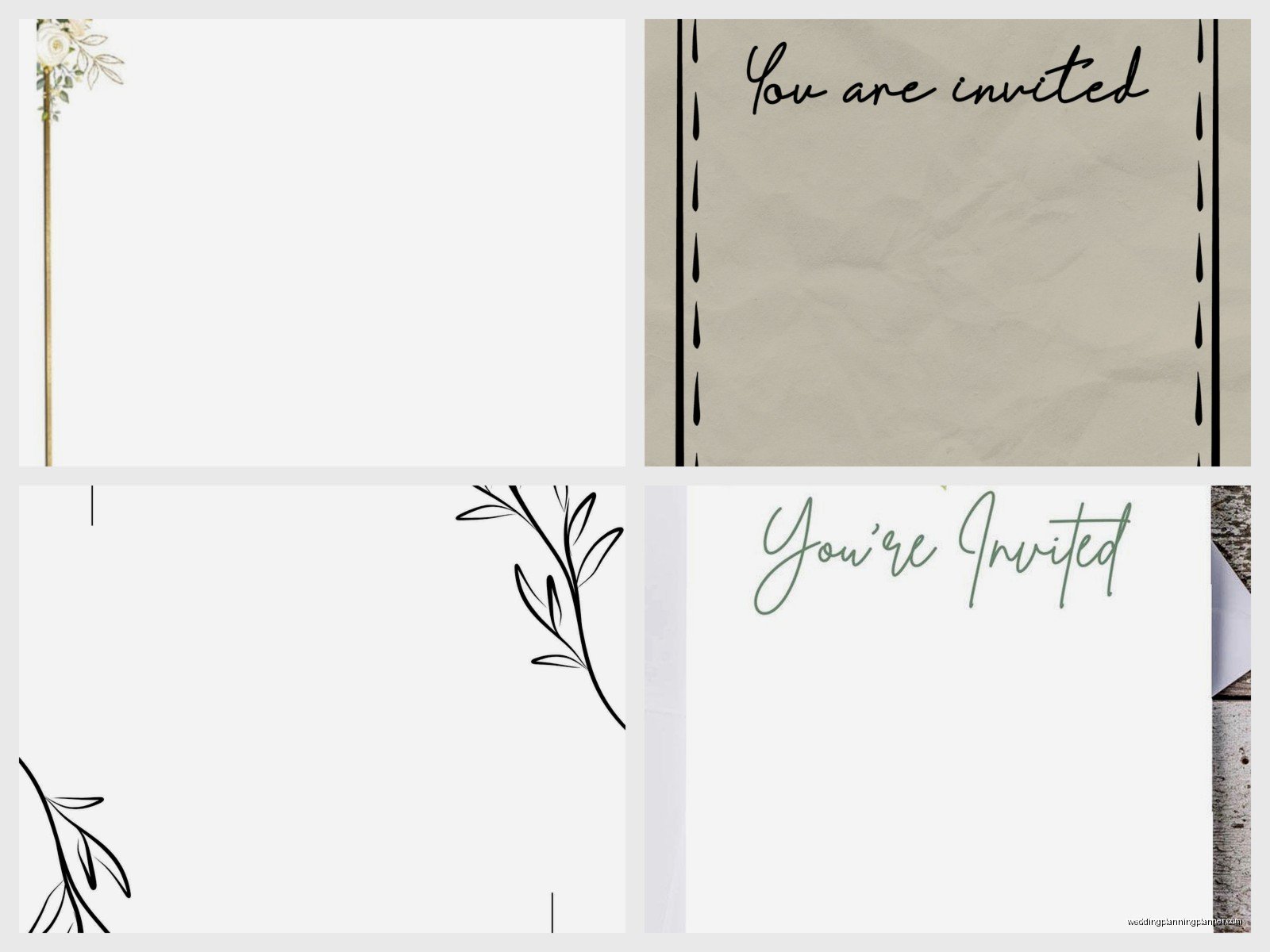
Before you contact designers or start browsing Minted or whatever, you need to know your vibe. I have this Pinterest board from like 2019 that I still show clients because it breaks down invitation styles into categories that actually make sense. You don’t need to know design terminology but you should know if you want:
- Formal traditional (engraved, classic fonts, very structured)
- Modern minimal (lots of white space, sans serif fonts, clean lines)
- Rustic or botanical (kraft paper, greenery, hand-drawn elements)
- Bold and graphic (geometric shapes, strong colors, contemporary)
- Vintage romantic (script fonts, soft colors, ornate details)
Save like 10-15 examples of invitations you love. Not just wedding invitations either – I pull inspiration from restaurant menus, book covers, concert posters. My cat knocked over my inspiration binder once and I had to reorganize the whole thing by color instead of style and honestly? It helped me see connections I hadn’t noticed before.
The Timeline Nobody Tells You About
Alright so here’s the timeline working backwards from your wedding date:
You want invitations in guests’ hands 8 weeks before the wedding minimum. 10-12 weeks is better especially if you’ve got destination guests or it’s a holiday weekend. That means they need to be MAILED by then, not ordered by then.
Add 2-3 weeks for assembly if you’re doing it yourself (you will underestimate this I promise). Add 4-6 weeks for printing, sometimes 8-10 if you’re doing letterpress or engraving or anything fancy. Add another 2-4 weeks for design revisions because you’re never gonna approve the first proof, trust me on this.
So you’re looking at starting the invitation process 5-6 months before your wedding date. Maybe more if you’re picky or indecisive or if you’re working with a small stationer who has a long waitlist.
Choosing Your Ordering Method
You’ve got basically four routes here and they all have pros and cons that are gonna depend on your budget, timeline, and how much control you want.
Online retailers (Minted, Zola, Paperless Post, etc.): These are template-based but honestly the templates are pretty good now. You customize online, they print and ship. Turnaround is usually 2-3 weeks. Costs range from like $1.50 to $4 per invitation suite depending on paper quality and printing method. The thing that annoyed me about these is that you can’t really go off-script – if the template doesn’t have space for your ceremony AND reception details in the way you want, you’re kinda stuck.
Local print shops: More flexibility than online templates but less than custom designers. You can often bring in your own design or work with their in-house designer. Turnaround is 2-4 weeks usually. Price varies wildly but expect $2-5 per suite. Good middle ground option.
Independent stationery designers: This is custom work, you’re paying for their time and expertise. You’ll have design calls, get custom illustrations if you want, have full control over every element. Timeline is 8-12 weeks typically. Budget $5-15+ per invitation suite depending on printing method and designer experience. Worth it if invitations are a priority for you.
DIY printing: You design it yourself (or buy a template on Etsy) and print at home or through a print shop. Cheapest option, most control, but also most time-consuming and you need design skills or… it’s gonna look homemade in the bad way. I had a bride in summer 2021 who insisted on printing her own and the color calibration was so off that her “dusty blue” invitations came out straight up purple and she had to reprint everything three days before mail date.
Paper and Printing Methods
This is where it gets into the weeds but also where you can blow your budget real fast if you don’t understand what you’re paying for.
Digital printing: Standard modern printing, works on almost any paper, full color, affordable. This is what most people get and it looks perfectly fine. $1-3 per invitation.
Letterpress: Old-school printing method that creates an impression in thick cotton paper. Looks amazing, feels luxurious, costs more. Usually one or two colors max. $5-12 per invitation. You need thick paper (at least 220gsm) or it won’t work right.
Foil stamping: Metallic or colored foil pressed into paper. Very eye-catching, works great for names or monograms. Can be combined with digital printing. Adds $2-5 per invitation usually.
Engraving: The most formal and expensive option. Creates raised text on one side and an indent on the back. Traditionally used for very formal weddings. $8-15+ per invitation.
Paper weight matters more than you think. Standard copy paper is like 80gsm. You want at least 120gsm for invitations, preferably 150-200gsm. Anything over 250gsm starts feeling really substantial and luxe. Cardstock vs. cotton paper is a whole debate – cotton (or cotton blend) feels softer and more expensive, cardstock is stiffer and works better for certain printing methods.
The Actual Design Outline Process
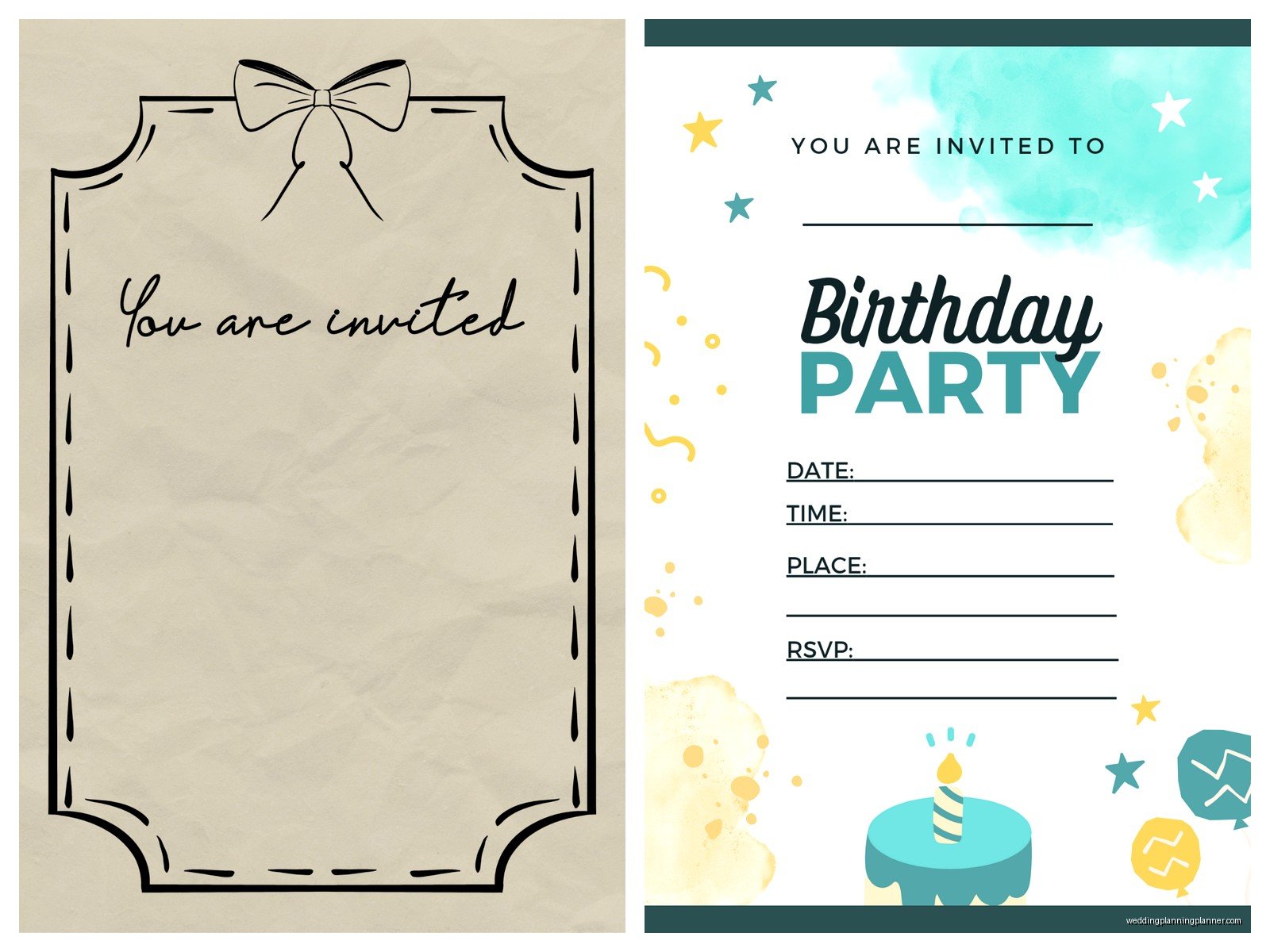
Okay so you’ve got your info list, you know your style direction, you’ve picked your ordering method. Now you need to create an actual outline for your designer or for yourself if you’re DIYing.
I use this format with clients and it helps so much:
Main Invitation Card:
- Size (5×7 is standard, 5.5×8.5 is elegant, 4×6 is compact)
- Orientation (vertical is traditional, horizontal is modern)
- Host line wording exactly as you want it
- Request line wording
- Names with spelling and formatting
- Date and time spelled out
- Venue information formatted how you want
- Any additional wording (reception to follow, adults only, etc.)
- Design elements you want (monogram, illustration, photo, border, etc.)
RSVP Card:
- Size (usually 4×6 or 4.25×5.5)
- Reply date (3-4 weeks before wedding)
- Response options (attending/not attending, meal choices, plus one)
- Return address for RSVP envelopes
- Any special requests (song requests, dietary restrictions)
Details Card:
- Website URL
- Hotel block information
- Transportation details
- Weekend events if you’re doing welcome drinks or day-after brunch
- Registry information if you’re including it (some people say this is tacky but honestly guests appreciate having the info)
Wording Choices That Actually Matter
The way you word things sets the tone for your whole wedding. Formal wording uses full names, spells out everything, uses traditional phrasing. Casual wording can use first names only, abbreviations, more relaxed language.
Formal example: “Mr. and Mrs. Robert James Hart request the honor of your presence at the marriage of their daughter Olivia Marie to…”
Casual example: “Olivia and Jake invite you to celebrate their wedding…”
You can mix and match though. I’ve seen invitations with formal wording but modern design, or casual wording with traditional layout. Do what feels like you, not what some etiquette book from 1952 says you should do.
Quantities and Who Gets What
Order your guest list count plus 15-20% extra. You’ll need extras for your own keepsakes, last-minute additions, mistakes during assembly, and… I don’t know why but you always need more than you think. If you’re inviting 100 households, order 120 invitation suites.
One invitation per household, not per person. Married couples get one invitation together. Unmarried couples living together get one invitation with both names. Unmarried couples not living together technically should get separate invitations but I’m gonna be honest, most people just send one with both names these days.
Kids over 18 living at home should get their own invitation. Kids under 18 are included on their parents’ invitation (or not invited at all if you’re doing adults-only, which you indicate by just… not putting their names on the envelope).
Envelope Addressing Because This Takes Forever
Outer envelopes are formal – full names, titles, full address spelled out. Inner envelopes (if you’re using them, which is traditional but not required) are more casual – just first names or “Mr. and Mrs. Hart.”
You can hand-write addresses, print them yourself, hire a calligrapher, or use a printing service. Hand-writing 100+ envelopes will take you like 8-10 hours if you have decent handwriting and don’t mess up too many. Professional calligraphy costs $2-5 per envelope. Digital calligraphy (printed to look like hand calligraphy) is usually $0.50-1 per envelope.
Get your envelopes at the same time you order invitations so you can practice addressing and figure out your system. Also buy extra envelopes because you WILL mess some up.
Putting It All Together
Assembly order matters for presentation. Standard order from bottom to top: invitation card, reception card (if separate from invitation), details card, RSVP card (with stamp on RSVP envelope tucked under flap). Some people put the RSVP card on top so it’s the first thing guests see, which… actually makes sense for getting responses back faster.
Belly bands, ribbon, vellum overlays, wax seals – these are all optional decorative elements that add cost and assembly time but can look really beautiful. A simple ribbon costs like $0.50 per invitation in materials but adds 30 seconds to assembly time, which adds up fast when you’re doing 150 invitations while watching The Great British Baking Show or whatever.
Postage is expensive and nobody budgets enough for it. A standard 1-ounce letter is $0.73 currently but most invitation suites weigh more than that. Take a fully assembled invitation to the post office and have them weigh it before you buy stamps. You might need $1+ in postage per invitation. Also buy pretty stamps not just Forever stamps – it’s a small detail that makes a difference.
Proofing Like Your Wedding Depends On It
Because it kinda does. Check everything multiple times. Read it out loud. Have someone else read it. Check these specific things:
- Date and day of week match (Google this, seriously)
- Venue name and address are exactly correct
- All names spelled correctly including middle names
- Time is correct and includes AM/PM if not spelled out
- RSVP date makes sense (3-4 weeks before wedding)
- Website URL works and doesn’t have typos
- Return address is correct on RSVP envelopes
I once had to reprint 175 invitations because we wrote “Saturday, June 14th” but June 14th that year was a Friday. Nobody caught it until after they were printed. Cost the couple an extra $800 and pushed back their mail date by three weeks.
When to Break the Rules
Honestly most invitation “rules” are outdated. You don’t need inner envelopes unless you want them. You can put registry info on your details card. You can use casual wording. You can skip the host line entirely. You can include a photo of you and your partner if you want.
The only rules that actually matter: include all the necessary information, make sure it’s readable, mail them with enough time for guests to plan, and make sure they represent you as a couple. Everything else is just… suggestions from people who probably aren’t coming to your wedding anyway.