Planning Guides, Style Guide
Ceremony Seating Plan: Complete Guide
May
The Whole Seating Chart Thing Is More Complicated Than You Think
So you’re probably looking at your guest list thinking “how hard can this be” and I’m gonna be honest with you, ceremony seating is where like half my couples lose their minds a little bit. Not because it’s technically difficult but because suddenly you’re dealing with divorced parents and family drama and people who haven’t spoken in fifteen years but both want to sit in the second row.
First thing first – you need to decide if you’re even doing assigned ceremony seating or just assigned sides. Most weddings do the traditional “bride’s side” and “groom’s side” thing, but honestly in 2023 I had this couple who just put up a sign that said “pick a seat not a side” and it worked perfectly because they had really uneven numbers. His family was like 60 people and hers was maybe 20, so the traditional split would’ve looked weird.
Traditional Layout Basics
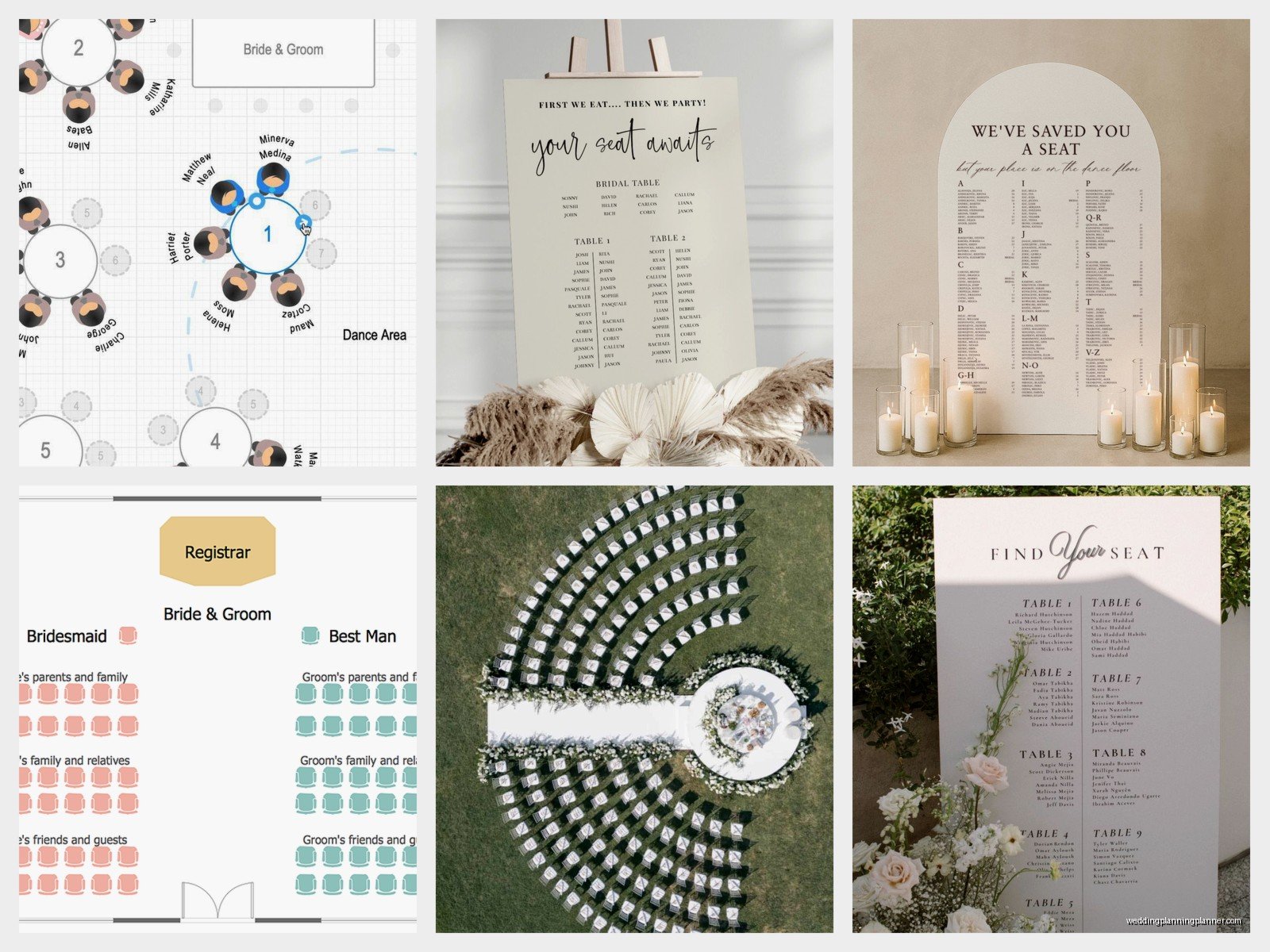
Okay so the traditional setup is bride’s family and friends on the left (when you‘re facing the altar/arch/whatever), groom’s on the right. This comes from some old tradition about the groom needing his right hand free for his sword or something, which is kinda ridiculous but whatever, traditions stick around.
The first row on each side is usually reserved for immediate family. Parents, grandparents, sometimes siblings if they’re not in the wedding party. Second row is typically close family – aunts, uncles, godparents, that sort of thing. After that it gets more flexible.
But here’s what actually happens in real life – you’re gonna have stepparents, divorced parents who hate each other, parents who are remarried, and suddenly you’re playing this weird game of chess trying to figure out who sits where without causing World War III.
The Divorced Parents Situation
This is where I earn my money honestly. Summer of 2021 I had a wedding where the bride’s parents had been divorced for like 25 years, both remarried, and they STILL couldn’t be in the same row. We ended up doing mom and stepdad in the front row on the left side, dad and stepmom in the front row on the right side (on the bride’s side still, just the right edge). It looked a little weird but everyone was happy and that’s what matters.
If your parents are divorced, here’s some options:
- Parent who raised you gets the front row, other parent sits in the second or third row
- Both parents in front row with their new spouses, just put an aisle seat between them
- Split the front row – mom’s side on one half, dad’s side on the other
- If there’s serious bad blood, put them on opposite sides entirely
The key is to talk to them early. Like way earlier than you want to. I know it’s awkward but you gotta know what they’re comfortable with before you start making programs that list their names.
Reserved Seating vs Open Seating
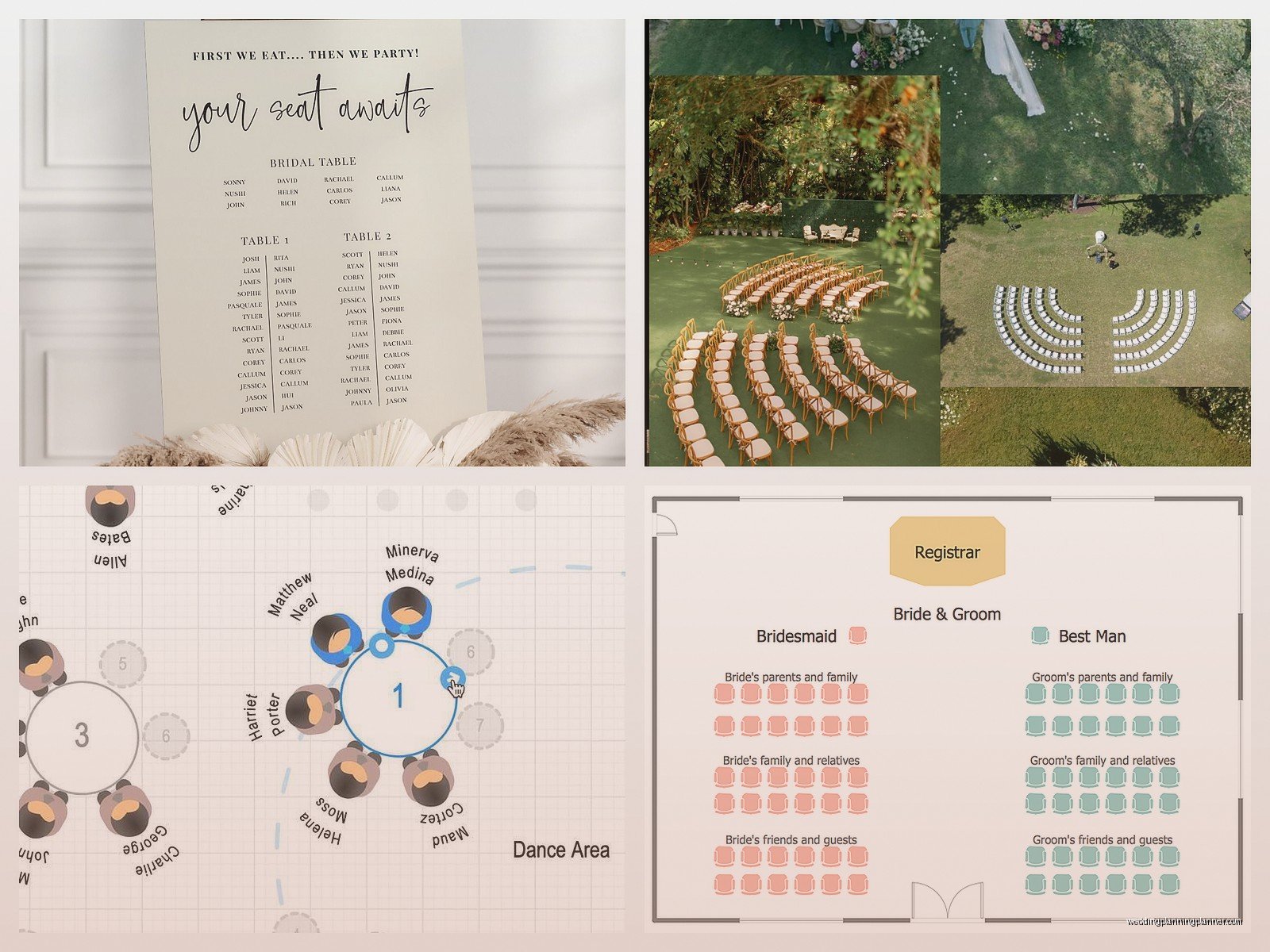
You’ve got two main approaches here. Reserved seating means specific rows for specific people, usually marked with signs or ribbons or reserved cards. Open seating means people just sit wherever on their designated side.
Reserved seating is better if:
- You have complicated family dynamics that need managing
- You want to make sure certain VIPs get the best views
- Your venue has limited good seating and you want to control who gets it
- You’re having a small ceremony where most people are close family
Open seating works when:
- You have a chill family situation
- Your ceremony is pretty short so view doesn’t matter as much
- You don’t want to deal with the logistics
- Your guest list is mostly friends who can figure it out themselves
What drives me crazy is when couples do reserved seating but don’t communicate it clearly. You need signs, you need ushers who actually know the plan, you need reserved cards on the seats. Otherwise people just sit wherever and then you’re trying to politely move someone’s great aunt at the last minute.
How Many Rows To Reserve
This depends on your family size obviously, but here’s my general rule: reserve the first 2-3 rows on each side for family, leave everything else open. That gives you space for parents, grandparents, siblings not in the wedding party, aunts and uncles, and maybe a few close family friends.
If you have a huge family, you might need 4-5 rows. If your family is small, maybe just the first row. The goal is to make sure your VIPs have guaranteed seats without reserving so much space that it looks empty or makes other guests feel like second-class citizens.
The Actual Logistics Part
Alright so here’s how you actually make this happen. About two months before the wedding, sit down with your partner and literally list out who needs to sit where. Start with the non-negotiables – parents, grandparents, whoever is walking you down the aisle.
Make a spreadsheet or just a list, whatever works for your brain. For each reserved row, write down exactly who sits there. Include plus-ones, include kids if they’re not in the wedding party, include everyone. This seems obvious but I cannot tell you how many times couples forget about their siblings’ spouses or their grandparents’ caregivers.
Once you have your list, you need to communicate it. Your options are:
- Reserved signs on the rows (“Reserved for Family of the Bride”)
- Reserved cards on specific seats with names
- Ushers who seat people based on a list
- A combination – signs for rows, ushers for specific seats within those rows
I usually recommend reserved signs for the family rows and then ushers who know the detailed plan. That way if Aunt Susan shows up and doesn’t know where to go, the usher can direct her to row 2 on the left without making a big production of it.
The Usher Brief
Your ushers need to know the plan. Like actually know it, not just have a vague idea. Give them a printed list they can keep in their pocket. It should say something like:
Row 1 Left: Bride’s parents and their spouses
Row 2 Left: Bride’s grandparents, Aunt Jennifer and Uncle Mark
Row 3 Left: Cousins and close family friends
And so on. They should also know who the key people are – like if your mom is wearing a specific color dress, tell them that so they can recognize her. Spring of 2019 I had an usher who didn’t know what the groom’s mom looked like and seated her in the fifth row by accident, which… did not go over well.
Special Situations
Okay so some specific scenarios that come up:
Grandparents who need accessible seating: You can absolutely put them in the front row on the aisle so they don’t have to navigate past other people. Or reserve seats in the back if they use a wheelchair and don’t want to be moved mid-ceremony. Just talk to them about what they prefer.
Kids in the ceremony: If your flower girl and ring bearer are little (like under 5), have their parents sit on the aisle in the second row so the kids can go sit with them after they walk down. Those tiny humans are not gonna stand up there for a whole ceremony, trust me.
Single parents: If your mom or dad is single, they can absolutely have someone sit with them in the front row. A best friend, a sibling, whoever makes them comfortable. They don’t have to sit alone just because they don’t have a spouse.
Blended families: This is where it gets complicated and honestly every situation is different. I had one wedding where the bride had a stepdad who raised her and a bio dad she reconnected with as an adult. Both families got front row seats but on opposite aisles. Her mom and stepdad on the left aisle, bio dad and his wife on the right aisle. It worked because everyone was mature about it.
Cultural differences: Some cultures do completely different seating arrangements. Jewish weddings often have family on both sides up front because both sets of parents stand under the chuppah. Hindu weddings have different setups depending on the specific ceremony. If you’re blending cultures or doing something non-traditional, research what makes sense for your situation.
What About the Program
Your ceremony program should probably mention the seating arrangement if you’re doing anything non-traditional. If you’re skipping the bride’s side/groom’s side thing, put a note in the program like “We invite you to sit wherever you feel most comfortable” or something. That way people aren’t awkwardly trying to figure out the rules.
If you have reserved rows, you don’t need to list specific names in the program but you might want to note “The first three rows are reserved for immediate family.” Just so regular guests don’t accidentally take those seats if they arrive early.
Timing and Flow
People always ask me when guests should be seated. Generally, guests should arrive and be seated 15-30 minutes before the ceremony starts. The family gets seated last, right before the ceremony begins. This is because it signals that things are about to start and also because you want your VIPs to have the least amount of waiting time.
The traditional order for seating family is:
- Groom’s grandparents
- Bride’s grandparents
- Groom’s parents
- Bride’s mother (last person seated before the processional starts)
But honestly you can adjust this based on what makes sense. If someone’s elderly and needs extra time to walk, seat them earlier. If someone’s always late (we all have that family member), maybe don’t make them the last person who needs to be seated before things start.
The Chair Rental Question
If you’re doing an outdoor ceremony or a ceremony at a venue without built-in seating, you’re gonna be renting chairs. Here’s what you need to know: always rent 10-15% more chairs than your guest count. People spread out, they put their bags on chairs, they leave gaps. It’s annoying but it’s reality.
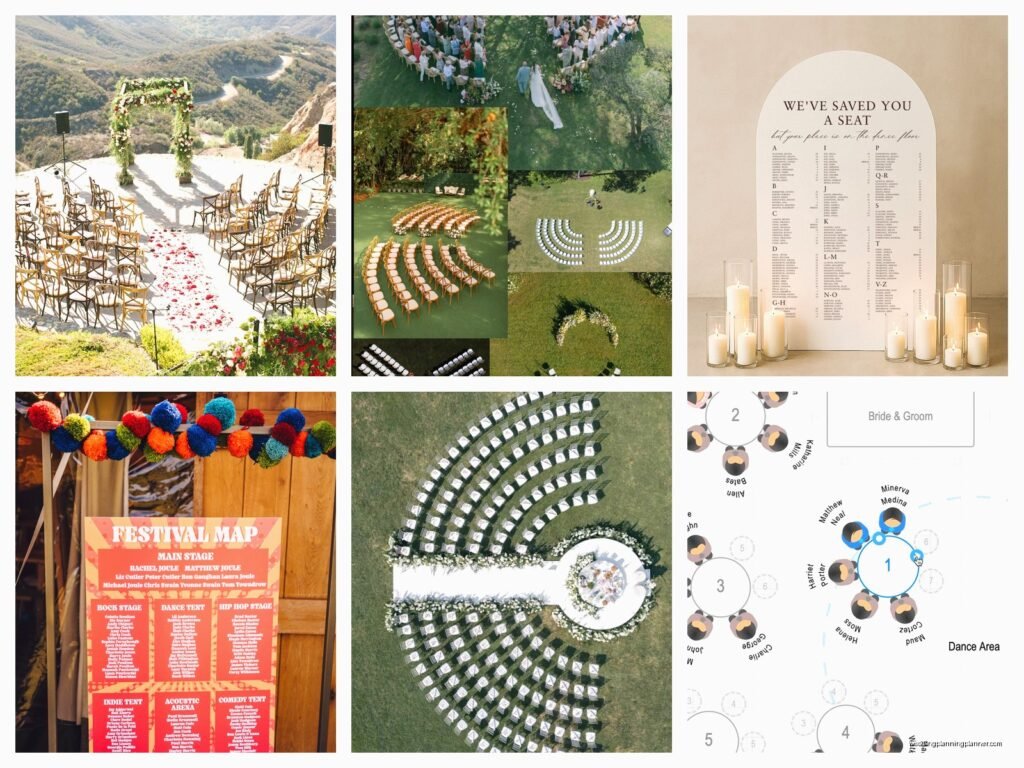
For the setup, you typically want an aisle down the middle (obviously) that’s at least 4 feet wide, preferably 5-6 feet if you have the space. This gives you room to walk and also looks better in photos. My cat actually knocked over my entire chair layout diagram once while I was planning a ceremony in fall 2022 and I had to redo the whole thing, but that’s neither here nor there.
Rows should have 6-8 chairs on each side of the aisle for a traditional layout. More than that and it feels like you’re sitting in a really long row at a movie theater. Less than that and it looks choppy. If you have a lot of guests, add more rows rather than making the rows super long.
The Reality Check
Here’s the thing nobody tells you – even with the best planning, someone’s gonna sit in the wrong spot. Someone’s gonna show up late and disrupt everything. Someone’s gonna be offended they weren’t in the second row instead of the third. It happens at literally every wedding and you just have to… let it go, I guess? That sounds more zen than I meant it to, but like, you can’t control everything.
The goal is to get it 90% right and have a plan for handling the 10% that goes sideways. That’s where good ushers come in handy. They can quietly fix problems without making a scene.
When To Skip Reserved Seating Entirely
Some weddings don’t need reserved ceremony seating at all. If you’re having a super casual backyard wedding with 30 people, everyone can probably figure it out. If your ceremony is 10 minutes long and then you’re immediately moving to cocktail hour, the seating matters less. If you’re doing a destination wedding where everyone’s basically close family or friends who traveled together, they’ll sort themselves out.
I’m all for simplifying when you can. Weddings have enough complicated logistics without adding unnecessary layers. But if you have family drama or VIPs who expect certain treatment or a ceremony that’s longer than 20 minutes, put in the effort to do it right. It’ll make the day smoother and keep people happy, which is kinda the whole point.