Planning Guides, Style Guide
Large Wedding Card: Oversized Invitation Designs
Jun
Okay So Large Wedding Cards Are Actually A Thing Now
Look, oversized wedding invitations are having this massive moment and honestly I get why. They’re dramatic, they make a statement when someone opens their mailbox, and you can fit SO much more design detail on them without everything looking cramped. But also – and this really annoyed me during spring 2023 when I had three couples all wanting giant invitations at the same time – nobody tells you about the actual logistics of printing, mailing, and budgeting for these things until you’re already committed to the idea.
First thing you gotta know is what even counts as “oversized” in the invitation world. Standard invitations are usually 5×7 inches, sometimes 5.5×8.5 inches. When we’re talking large or oversized, we’re looking at anything from 6×9 inches up to like 9×12 inches or even bigger. I’ve seen 10×14 inch invitations that were basically the size of a small poster. Beautiful? Yes. Practical? Umm, depends on your tolerance for extra costs.
The Size Sweet Spot
If you’re gonna go big, I usually recommend the 7×10 inch size as your best bet. It’s large enough to feel substantial and special, but it’s not so massive that you’re paying ridiculous postage or needing custom envelopes that cost $3 each. The 6×9 size is also really nice – it’s just slightly larger than standard but fits in readily available envelopes.
Here’s what happens with different sizes:
- 6×9 inches: Still qualifies for standard letter postage usually, fits in A9 envelopes
- 7×10 inches: Might need extra postage, uses A10 envelopes which are pretty common
- 8×10 inches or 9×12 inches: Definitely needs extra postage, you’re looking at flat or large envelope rates
- Anything over 9×12: Okay now you’re in package territory and this gets expensive fast
Design Considerations That Actually Matter
The whole point of going large is having more space to work with, right? But I’ve seen so many couples just… scale up a regular invitation design and it looks weird. Like when you blow up a photo too much and it gets pixelated, except with negative space. You need to actually design FOR the larger format.
What works really well on oversized invitations:
- Big, bold typography that uses the space – think statement fonts for names
- Actual photographs printed large (engagement photos, venue illustrations, custom portraits)
- Intricate borders or frames that would look too busy on a small card
- Layered paper elements or dimensional details
- Lots of white space used intentionally – this is the one time breathing room doesn’t look empty
- Watercolor backgrounds or large-scale patterns
My client Sarah in summer 2021 wanted this gorgeous 8×11 invitation with a custom watercolor painting of their venue. The artist created this sweeping landscape view and it needed that size to really shine. On a 5×7 it would’ve just looked like colorful blobs, but large format? Absolutely stunning. Her guests literally framed them, which was her goal all along.
Paper Weight Is Different When You Go Big
This is something I didn’t fully appreciate until I’d been doing this for years, but paper weight behaves differently at larger sizes. A 110lb cardstock feels substantial and luxe at 5×7 inches. That same weight at 9×12 inches can feel kinda flimsy because there’s just more surface area to potentially bend or warp.
For oversized invitations, I usually recommend:
- 130lb cardstock minimum for single-layer designs
- 110lb if you’re doing layered or mounted designs
- Linen or cotton paper stocks because they have more body naturally
Also the paper needs to run through larger printers which not every print shop has, so that limits your options sometimes. I learned this the hard way when my usual printer couldn’t do a 10×13 design and we had to find someone else three weeks before the mail date. Not fun.
The Postage Situation Nobody Warns You About
Okay this is where it gets real. Standard wedding invitation postage is already more than a regular stamp because of the weight (all those enclosure cards add up). But oversized invitations? You’re looking at potentially $2-4 PER invitation just for postage.
Here’s what affects your mailing costs:
- Size of the envelope – anything over 6.125 x 11.5 inches is considered a flat and costs more
- Total weight including all inserts, envelope, and any embellishments
- Thickness – if it’s more than 0.25 inches thick it’s not “machinable”
- Non-standard shapes or closures
That last one is important. If you add a wax seal (which looks AMAZING on oversized invitations btw), or ribbon ties, or anything that makes the envelope lumpy or non-uniform, it has to be hand-cancelled at the post office. This costs extra and also… you need to actually take all your invitations to the post office and request hand-cancelling. You can’t just drop them in a mailbox.
Pro tip: Take a fully assembled invitation suite to the post office BEFORE you print everything and have them weigh it and tell you exact postage. I cannot stress this enough. I’ve had couples budget for 70 cent stamps and then find out they need $2.40 per invitation. For 150 invitations that’s a difference of like $250.
Envelope Options For Large Formats
Standard envelope colors and styles are easy to find up to about A10 size (around 6×9.5 inches). After that you’re either ordering custom envelopes or going with more limited options.
Some sources for larger envelopes:
- Paper Source and similar stores carry up to about 9×12 in limited colors
- Online specialty suppliers like Envelopments or LCI Paper have tons of sizes and colors but minimum orders
- Etsy sellers often do custom envelope printing and can source unusual sizes
- Custom envelope makers – expensive but worth it if you want something really specific
I had this couple once who wanted 11×14 invitations (I know, I KNOW) and we literally could not find envelopes that fit. We ended up getting custom-made linen envelopes and they were $8.50 each. Before postage. Their invitation budget was basically the same as some people’s photographer budget.
Design Styles That Work Best Large
Not every design aesthetic translates well to oversized formats. Minimalist designs can look amazing or they can look like you forgot to add content – it’s a fine line. Here’s what I’ve seen work really well:
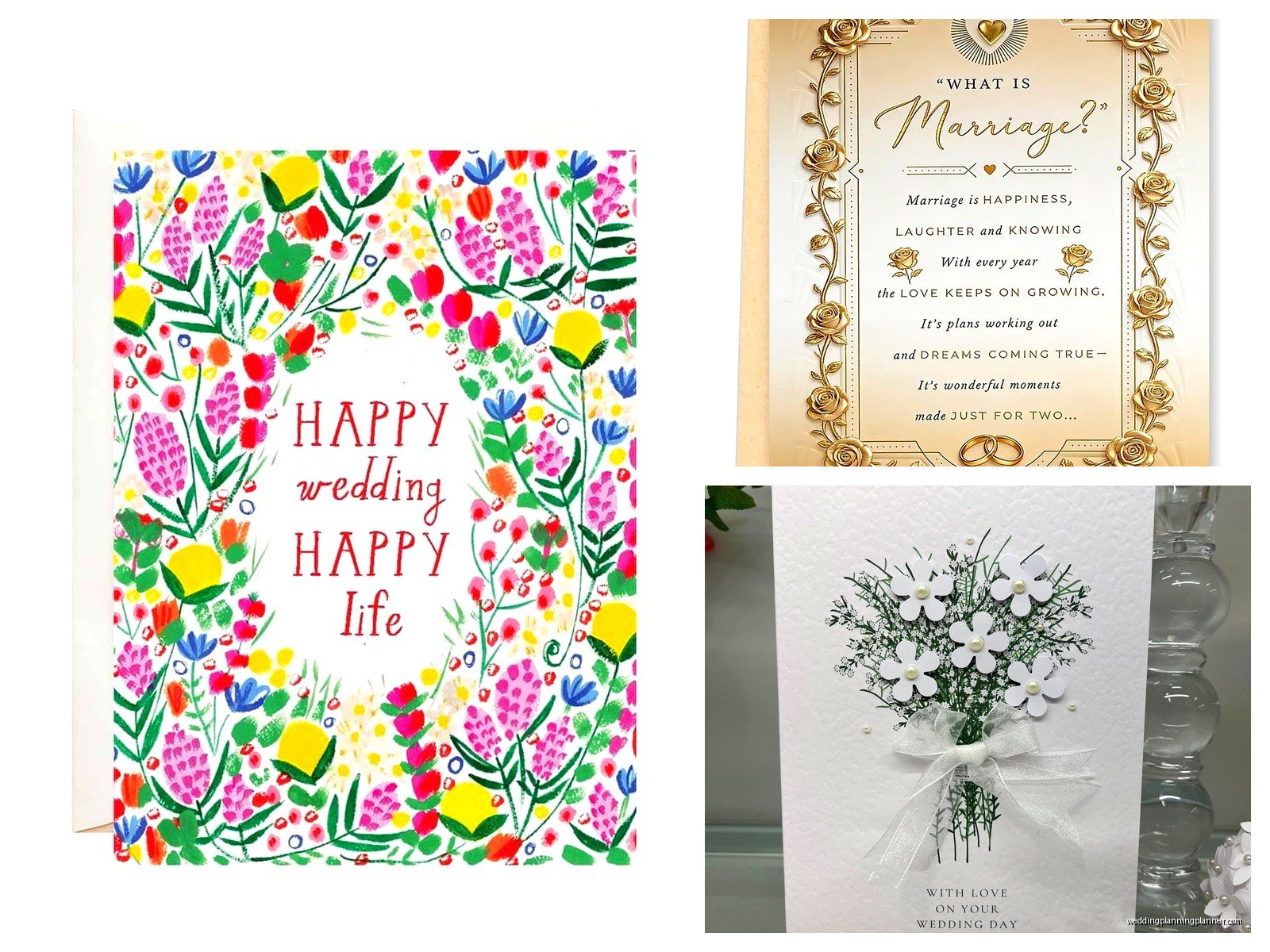
Botanical and Garden Themes: Large invitations let you do these sprawling floral illustrations or pressed flower arrangements that need space. You can have flowers “growing” up from the bottom or framing the text in ways that would be too crowded on a small card.
Vintage Poster Styles: Art deco designs, vintage travel posters, old concert bill aesthetics – these all benefit from the extra real estate. You can include more decorative elements and typography treatments.
Modern Minimalist With Bold Type: If you go minimal, you need REALLY strong typography. Think one or two statement fonts, lots of white space, maybe one dramatic element like a huge ampersand or monogram.
Photographic: Obviously photos look better larger. Engagement photos, venue photos, even creative portraits or landscapes related to your wedding location.
Illustrated Maps: This is actually my favorite use of oversized invitations. You can include a custom illustrated map of your wedding weekend with all the venues, hotels, landmarks, and it’s actually readable without a magnifying glass.
What Doesn’t Work As Well
Traditional formal wording in standard layouts just looks… lost on a huge card. Like you’re shouting into a void or something. If you want classic formal invitations, honestly standard sizing usually looks better.
Also really intricate details or small text – people think “oh I have more space so I can include MORE information” but then they try to fit like eight paragraphs of directions and it still looks cramped. The point is to use the space for impact, not to cram in your entire wedding website content.
Printing Methods For Large Invitations
Digital printing is the most affordable and works fine for most designs up to about 12×18 inches. The quality has gotten really good and you have lots of color options. Turnaround is usually quick too.
Letterpress on oversized invitations is GORGEOUS but oh my god the cost. You’re paying for the plate size, the press time, the paper waste during setup… I had a client spend $4,200 on letterpress invitations for 100 guests. They were 8×10 inches with a two-color design. Beautiful though, I still think about them sometimes.
Foil stamping works really well on large formats because you can do bigger design elements. Small foil details can look cheap or get lost, but a large foil monogram or border? That’s dramatic and worth the upcharge.
Screen printing is another option that can be more affordable than letterpress but still gives you that handmade artisan feel. Works especially well for bold graphic designs.
DIY Printing Considerations
Can you print oversized invitations at home? Technically yes if you have a printer that can handle the paper size. Most home printers max out at 8.5×14 inches (legal size). You’d need:
- A printer that accepts the paper size you want
- High-quality cardstock that your printer can actually feed (not all printers handle thick stock well)
- Good design software and color calibration skills
- Patience because printing 150 large invitations takes FOREVER
I usually don’t recommend it unless you’re really experienced with printing projects. There’s so much that can go wrong and then you’re stuck three weeks before your mail date with 47 usable invitations and a broken printer. My cat knocked over my coffee onto a stack of DIY invitations once and… yeah, that’s a story for another time but it involved a lot of crying.
Budgeting For Oversized Invitations
Let’s talk actual numbers because this is where couples get sticker shock. Standard wedding invitations from a professional stationer run anywhere from $3-8 per suite typically. Oversized invitations are more like $6-15 per suite, and that’s before postage.
Budget breakdown for 150 oversized invitations (7×10 size):
- Printing: $600-1,200 depending on method
- Envelopes: $150-300 (nice quality, maybe two colors)
- Addressing: $200-450 if you hire a calligrapher
- Postage: $300-600 depending on final weight
- Design: $300-800 if you hire a designer
So you’re looking at $1,550-3,350 total for the whole invitation suite. That’s significantly more than standard sizing which might run $800-1,800 for the same quantity.
Ways to save money but keep the impact:
- Go slightly smaller – 6×9 instead of 8×10 can cut costs by 30%
- Digital printing instead of letterpress or foil
- Print your own envelopes instead of buying pre-printed
- Skip the RSVP card and do online RSVPs only (saves printing AND postage)
- Use the large invitation as the ONLY piece – no separate details cards or direction cards, put it all on one sheet
When To Splurge And When To Save
If your wedding is small (under 75 guests), oversized invitations are way more doable budget-wise. The postage and printing costs don’t scale linearly – 50 invitations doesn’t cost twice as much as 25, it’s more like 1.5x the cost because of setup fees and minimums.
Splurge on the invitation itself and save on enclosures. You don’t need six different insert cards. One beautiful large invitation with all the info is more impactful anyway.
Timing And Production Schedule
Order your invitations earlier than you would for standard sizing. Production times are usually longer because fewer printers stock the larger papers or have the equipment ready to go. I recommend:
- 4-5 months before wedding: Finalize design and order
- 3 months before: Receive invitations, start addressing
- 2 months before: Mail invitations
That’s more conservative than the standard 6-8 week timeline but trust me, you don’t want to be rushing a large format print job. Quality control becomes more important when each invitation costs $10-15 to produce.
What Can Go Wrong
Papers can warp more easily at larger sizes, especially in humid climates. I’ve had invitations arrive curled at the edges or with slight waves in the paper. Sometimes you can’t fix this, it’s just a characteristic of large-format printing.
Color matching is harder on bigger sheets – you might see slight variations across the paper that wouldn’t be noticeable on a small card. This is especially true with solid color backgrounds.
Shipping damage is more likely. Large flat envelopes get bent, crushed, or torn more often than smaller mail. Budget for 5-10% overrun to account for damaged pieces.
Assembly Tips
Putting together oversized invitation suites is… honestly kinda awkward. Everything’s bigger so you need more table space, and if you’re doing any hand-finishing like ribbon or wax seals, it just takes longer because there’s more surface area to work with.
Set up an actual assembly line if you’re DIYing this. I’m talking like a full dining room table with stations for each component. It sounds excessive but you’ll finish way faster.
For inserting into envelopes, always insert with the design facing the back of the envelope (the side with the flap). When someone opens it, they see your design first. With large invitations this matters more because the reveal is part of the experience.
If you’re adding belly bands or ribbon, do those before inserting into envelopes. Trying to tie a ribbon around a card that’s already half in an envelope is frustrating and you’ll end up with crooked ribbons.
Wax seals on oversized envelopes look incredible but make sure you’re using flexible wax or they’ll crack in the mail. Also they add thickness which means hand-cancelling at the post office, which I mentioned before but it bears repeating because couples always forget until mail day and then they’re standing in line at the post office with 150 invitations like “oh we need these hand-cancelled” and the postal worker gives them that look…