
Planning Guides, Style Guide
Micro Wedding Planner: Small Intimate Event Coordinator

Sep
So You Wanna Plan Micro Weddings
Okay so micro weddings are basically the opposite of those 200-person extravaganzas where half the guests don’t even know the couple. We’re talking 20 people max, sometimes even just 10. And honestly? They’ve completely changed how I approach wedding planning since like 2020 when everyone suddenly needed smaller events for obvious reasons.
The thing about micro weddings is they’re not just “small weddings” – that sounds kinda dismissive. They’re intentionally intimate. Every single person there matters. There’s no random cousin your mom insisted on inviting or your dad’s golf buddy from 1987. It’s different energy entirely.
What Makes You Different From a Regular Wedding Planner
First thing – you can’t just scale down your big wedding approach. I learned this the hard way in spring 2023 when I treated a 15-person wedding like a mini version of my usual process and the couple looked at me like I’d lost my mind when I started talking about seating charts and reception timelines. They wanted to eat dinner family-style and then… just hang out? There was no grand exit planned, no bouquet toss, none of that.
Your role is more like a curator than a coordinator. You’re helping create an experience, not managing logistics for hundreds of people. The budget might be smaller but the expectations for personalization are way higher. Every detail gets noticed because there aren’t 47 other things happening simultaneously.
The Actual Planning Process
Start with the guest list because it determines literally everything else. With micro weddings, couples usually know exactly who they want there – it’s not a negotiation with parents about inviting the entire extended family. Once you know it’s 12 people versus 18 people, that changes venue options completely.
Venues are where this gets interesting. You can use spaces that would never work for traditional weddings. I’ve coordinated micro weddings in:
- Private dining rooms at restaurants (this is honestly the easiest option)
- Airbnb properties with beautiful backyards
- Art galleries during off-hours
- Botanical gardens – just a small section
- Someone’s living room (yes really)
- Rooftop spaces that fit exactly 20 people
- Historic libraries
The venue search is gonna be way different than scrolling through typical wedding venue websites. You’re looking at restaurants, unique event spaces, even reaching out to places that don’t normally do weddings but might for a small group. I once booked a ceramics studio for a couple who met in a pottery class and it was perfect.
Timeline Stuff That’s Different
Big weddings need like 12-18 months of planning because you’re coordinating vendor schedules, guest travel, venue availability for 150+ people. Micro weddings? You can pull one together in 3 months if you really need to. I’ve done it in 6 weeks before, though that was stressful and I don’t recommend it unless there’s a specific reason.
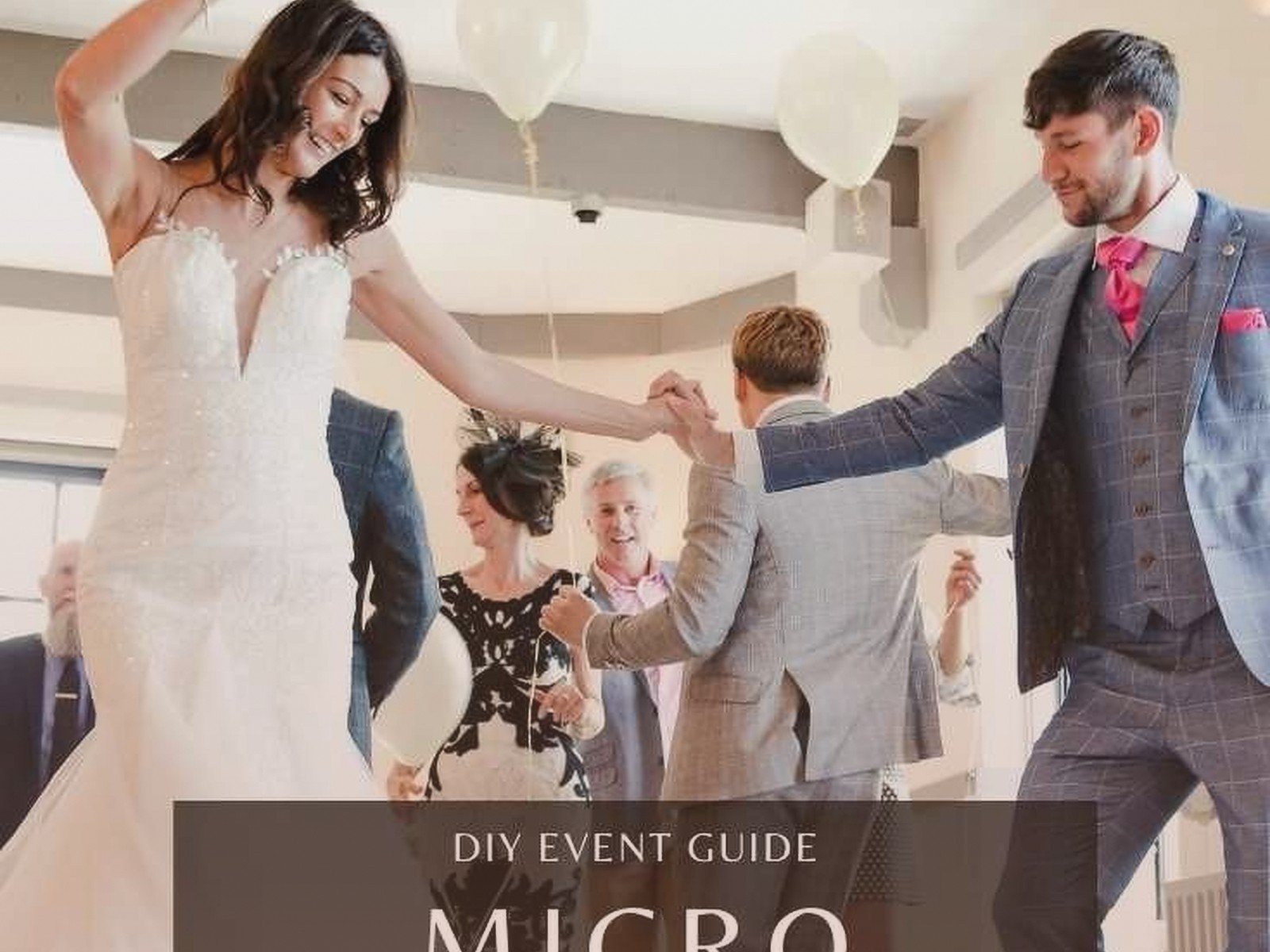
The day-of timeline is completely flexible. There’s no “cocktail hour while we take photos” because you can take photos with 15 people in like 20 minutes. There’s no receiving line. No grand march into the reception. Some couples do a ceremony, then dinner, then just… talk and drink wine for three hours. That’s the whole event.
What really annoyed me when I first started doing these was other vendors who couldn’t adjust their thinking. I had a photographer once who kept trying to do a full shot list like we had a wedding party of 12 people – we had 3 attendees total plus the couple. Read the room, you know?
Budget Reality Check
People think micro weddings are automatically cheap and nah, that’s not how it works. The per-person cost is often higher because you’re not getting bulk discounts. A caterer might charge $150 per person for 100 guests but $200 per person for 15 guests because they still have to show up, set up, break down.
Where you DO save:
- Venue costs are way lower (or free if you use someone’s home)
- You don’t need a massive floral budget
- Invitations – you’re sending 20 instead of 200
- No need for a DJ or full band (a good playlist works fine, or one musician)
- Smaller cake or no cake at all, just nice desserts
But couples usually redirect that savings into quality. They’ll splurge on an amazing private chef instead of standard catering. They’ll get the expensive flowers because they only need three arrangements. The champagne is top-shelf because you’re only buying 15 bottles.
Your Vendor Team
You need to build a different vendor network for micro weddings. Not every photographer wants to shoot a 3-hour event – some have minimum packages that don’t make sense. Find vendors who actually enjoy intimate events and won’t make couples feel like they’re settling for less.
I keep a separate list of:
- Photographers who do elopement-style coverage
- Caterers or private chefs who work with small groups
- Florists who get excited about small, detailed arrangements
- Musicians who perform solo or duo sets
- Bakeries that make small-batch cakes or dessert boxes
- Rental companies that won’t charge you delivery fees that cost more than the actual rentals
Building these relationships takes time but it’s worth it. I have a private chef I work with who honestly prefers micro weddings because she can do more creative menus and actually interact with the guests.
The Ceremony Part
Ceremonies get really personal with small groups. There’s no need for sound systems usually – the officiant can just talk in a normal voice and everyone hears. I’ve had couples write ceremonies that include everyone present, not just the wedding party. Like each guest shares a reading or a memory or offers a blessing.
You can do ceremonies in the round, where everyone literally circles the couple. You can have it in someone’s living room with everyone on couches. I coordinated one in summer 2021 where we set up in a client’s parents’ garden and it started raining, so we just… moved everything into the garage and it was actually kinda beautiful with the rain sounds and string lights.
The processional thing – sometimes there isn’t one? The couple is already standing there when guests arrive, or everyone walks in together. Traditional wedding structure doesn’t always apply and you gotta be comfortable with that flexibility.

Food Service Options
This is where micro weddings get really fun. Forget the standard plated dinner or buffet. Options I’ve done:
- Family-style dining at one long table
- Progressive dinner where you move locations between courses
- Private chef cooking in front of guests
- High-end takeout from the couple’s favorite restaurant
- Food truck parked outside (works great for backyard events)
- Picnic-style setup with fancy provisions
- Multi-course tasting menu
The restaurant private dining room option is honestly so underrated. They handle everything – food, drinks, service, ambiance. You just need to add flowers and personal touches. Some restaurants will even customize their menu for you.
Stationery for Small Events
Okay this is where I get excited because small weddings mean you can do really custom stationery without breaking the bank. When you’re only printing 20 invitations, you can do letterpress, handmade paper, wax seals, custom illustrations – all the expensive techniques that would cost thousands for 200 invites.
I often suggest:
- Handwritten envelopes (you can actually do this yourself for 20 invites)
- Custom stamps or wax seals with the couple’s initials
- Including a personal note in each invitation
- Unique formats – scrolls, folded notes, non-traditional sizes
For the day-of paper goods, you might not even need traditional stuff. No seating chart when everyone’s at one table. No programs if you’re gonna just explain things as you go. Maybe just nice menus and a welcome sign.
Managing Guest Experience
Every guest feels like a VIP at a micro wedding because they essentially are. But this also means you can’t hide anything – if something goes wrong, everyone notices. I had a situation where the cake didn’t arrive on time for a 12-person wedding and there was no hiding that or distracting people because everyone was just sitting there at one table waiting for dessert. We ended up doing an impromptu ice cream run and it became a funny story but in the moment I was sweating.
Think about how guests will interact. With 15 people, you don’t need icebreakers or assigned seating to force mingling. But you might want to plan some intentional moments – a group toast, a story-sharing time, something that includes everyone without being cheesy.
My cat knocked over my coffee while I was writing this but anyway—
What Couples Actually Want From You
Your couples hiring you for micro wedding planning usually want help with:
- Finding the right venue (this is the hardest part for them)
- Vendor recommendations for people who won’t treat them like they’re less important because it’s small
- Day-of coordination so they can actually be present
- Creative ideas they haven’t thought of
- Someone to tell them what’s actually necessary versus traditional wedding stuff they can skip
They’re not usually looking for full-service planning unless they’re really busy or live far from where the wedding is happening. Partial planning or coordination packages work better for most micro weddings.
Pricing Your Services
Don’t underprice just because it’s a small wedding. Your time is valuable and honestly, micro weddings can take more creative energy even if there’s less logistical coordination. I charge based on the scope of work, not the guest count.
My packages usually look like:
- Planning consultation (2-3 sessions): flat fee
- Partial planning (venue search, vendor coordination, design help): percentage of budget or flat fee
- Day-of coordination: hourly or flat rate for the event
- Full planning: rare for micro weddings but available
I’ve found that most micro wedding couples want someone there on the day to handle details so they can be fully present. That’s your minimum offering – make sure you have a coordination-only package.
Design Elements That Work
Small weddings let you do detailed design work that would be impossible or prohibitively expensive at scale. Hand-calligraphed place cards for 15 people? Totally doable. Individual floral arrangements for each guest? Sure. Custom cocktails named after inside jokes? Why not.
But also… sometimes less is more? Not every micro wedding needs to be dripping in details. Some couples want simple and elegant. A beautiful table, good food, nice lighting. That’s it. Don’t oversell the design aspect if that’s not what they want.
Lighting is huge for small events though. Since you’re usually in more intimate spaces, the right lighting completely changes the vibe. String lights, candles, uplighting – it matters more than at a big venue that already has ambiance built in.
Legal and Practical Stuff
Make sure you understand local regulations for events at non-traditional venues. Some cities have noise ordinances or require permits even for small gatherings. If you’re doing a backyard wedding, check HOA rules. If you’re at a restaurant, confirm their liquor license covers private events.
Insurance is still important. Get liability coverage even for small events – actually especially for small events in homes or unusual venues where there’s more potential for something to go wrong.
Marketing Yourself for This Niche
If you’re gonna specialize in micro weddings, make that super clear in your marketing. Use terms like “intimate wedding planner” or “small wedding specialist” because couples searching for this are using those phrases. Show real examples – small weddings photograph beautifully and the testimonials are usually really personal and meaningful.
Connect with vendors who also love small events and cross-refer. Build a reputation as the person who makes tiny weddings feel special, not like a consolation prize. Because honestly that’s what annoyed me most when this trend started – other planners treating micro weddings like they were just pandemic compromises instead of legitimate, intentional choices.
The couples choosing micro weddings now are doing it because they want that intimacy, that focus on quality over quantity, that ability to actually talk to every guest. They’re not settling. Your job is to make sure every element of the planning process reflects that this is exactly the wedding they want, just with fewer people around to witness it.
