Planning Guides, Style Guide
Seating Arrangement Wedding: Guest Placement Strategy
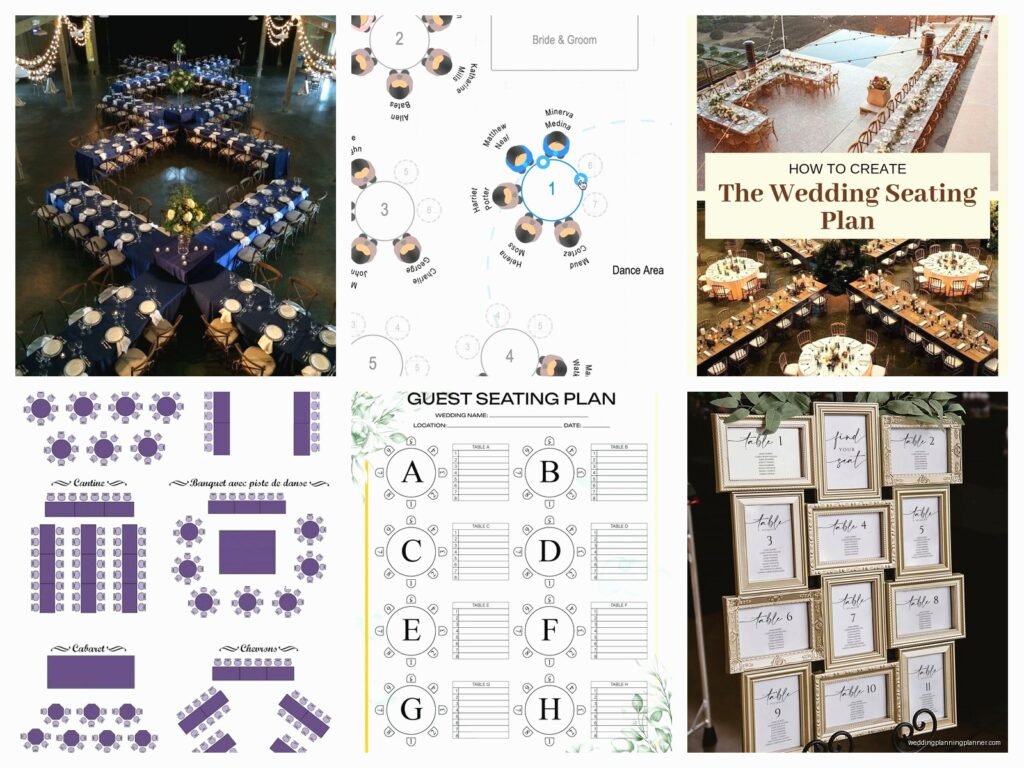
Apr
Start With Your Table Count and Guest List Reality Check
Okay so the first thing you gotta do is figure out how many tables you’re actually working with. I had this bride in spring 2023 who kept adding people to her list without telling me and we got to two weeks before the wedding and suddenly we needed three more tables and the venue was like “umm no.” Don’t be that person.
Count your confirmed guests. Not your maybes, not your “oh they’ll probably come” people. Actual RSVPs. Then talk to your venue about table sizes. Most places do round tables that seat 8-10 people or long banquet tables that seat 10-14 depending on length. I always prefer rounds because they’re easier to manage for conversation flow, but that’s just me.
Here’s what you need to write down:
- Total confirmed guests
- Number of tables available
- Seats per table
- Any VIP tables (head table, parents’ table, etc.)
The Grouping Method That Actually Works
So you’re gonna start by making groups. Not tables yet, just groups of people who know each other. I use different colored sticky notes but you can use a spreadsheet if you’re more organized than me, which honestly most people are.
Think about these categories:
- Family (bride’s side)
- Family (groom’s side)
- College friends
- Work colleagues
- High school friends
- Neighbors or community friends
- Random plus-ones who don’t know anyone
The goal is to seat people with at least 2-3 other people they know at each table. Not just one person. Because sitting with one person you know and six strangers is kinda awkward and people will just talk to that one person the whole time.
One thing that really annoyed me was when couples would say “oh just put all the single people together” like that’s somehow a solution. Nah. Single people aren’t a monolith. Your 25-year-old single cousin who does CrossFit doesn’t necessarily want to sit with your dad’s 50-year-old divorced coworker just because they’re both unmarried. Group by actual interests and connections.
The Plus-One Problem
Plus-ones are tricky because you might not know them at all. What I usually do is seat them with their date’s friend group, obviously, but try to include at least one other couple at that table. Couples tend to chat with other couples about couple stuff, and it gives the plus-one an easy conversation starter.
If someone’s bringing a serious partner you’ve met before, treat them like a regular guest and consider their connections too. If it’s a random date, just make sure they’re at a fun table with friendly people.
The Head Table Situation
You’ve got options here and honestly there’s no right answer, which is probably not helpful but it’s true.
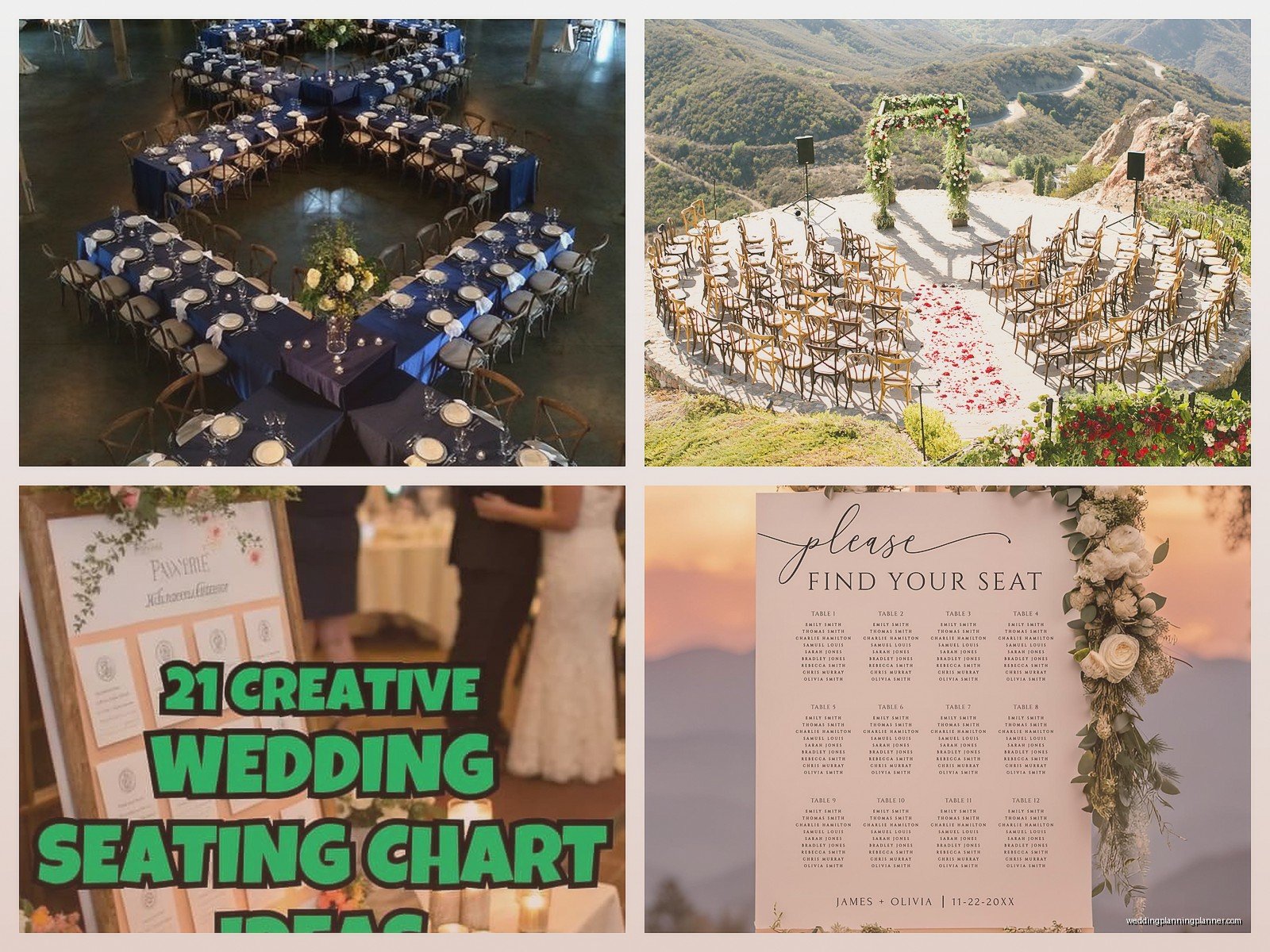
Sweetheart table: Just the two of you at a small table. This is nice because you can actually talk to each other during dinner, but some people feel like they’re on display.
Traditional head table: Wedding party all in a row. Looks great in photos but terrible for conversation because everyone’s facing the same direction. Also what do you do with the wedding party’s dates? Usually they get stuck at a separate table which feels weird.
King’s table: Long table with you two in the middle and wedding party plus their dates all around. This is my favorite option honestly because everyone’s included and can actually talk to each other.
No head table: You just sit at a regular table with your parents or closest friends. Super casual and works well for smaller weddings.
My cat jumped on my keyboard while I was working on a seating chart last month and accidentally deleted an entire table assignment and I didn’t notice until the day before the wedding, so umm, save your work frequently I guess.
Strategic Placement for Difficult Situations
Alright so this is where it gets real. You’ve got divorced parents who hate each other, or feuding siblings, or that uncle who drinks too much, or your mom’s friend who talks nonstop about her essential oils business.
Divorced Parents
Put them at separate tables, obviously. I usually do one table for bride’s mom and her family/friends, another for bride’s dad and his people. Same for groom’s side. If they have new spouses, those spouses sit with them at their respective tables. Don’t try to force anything here. Your wedding day is not gonna be the magical moment that reunites them.
Distance matters too. Don’t put the tables right next to each other. Put at least one or two tables in between, or place them on opposite sides of the dance floor.
The Loud or Inappropriate Guests
You know who I’m talking about. Every family has them. Don’t put these people near the head table or the older conservative relatives. Put them with the younger crowd who can handle it, or with people who already know them and their… personality quirks. Also maybe don’t seat them right next to the bar.
Shy or Anxious Guests
I always try to identify the quieter guests and make sure they’re with warm, welcoming people. Not the loud party table, but also not isolated with other shy people where no one will talk. You want a mix where the more outgoing people will draw them into conversation without overwhelming them.
Age Mixing and the Kids Question
So there’s this whole debate about whether to do a kids table or mix kids with their parents. Here’s my take: it depends on the kids’ ages and the vibe of your wedding.
Under 5 years old? Keep them with their parents. They need supervision and will probably leave early anyway. Ages 6-12? A kids table can be great if you have enough of them (at least 5-6 kids) and you provide activities or coloring stuff. Over 13? They can sit with adults, preferably with their family or with younger adult relatives they might look up to.
One thing I’ve noticed is that having a really good mix of ages at tables can actually create better conversations, like putting a young couple next to an older couple who’s been married forever. They can share advice and stories and it’s sweet. But you gotta read the room on whether your guests would be into that or not.
The Actual Assignment Process
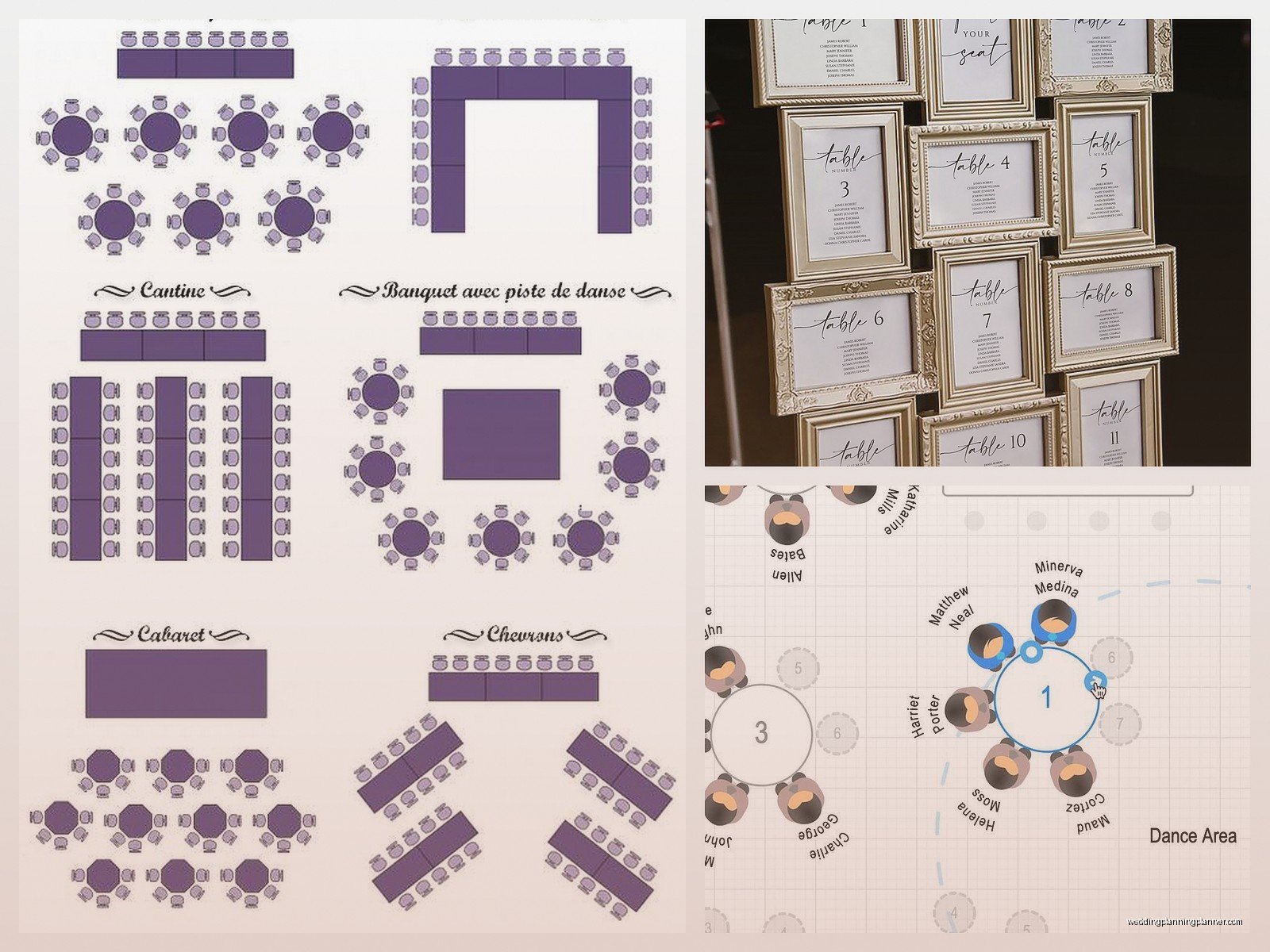
Okay so now you’ve got your groups and you know your difficult situations. Time to actually assign tables. I usually start with the VIP tables first – head table, parents, immediate family. Then work outward from there.
Here’s my process that I’ve developed after doing this for way too many weddings:
- Assign your head table and parents’ tables
- Place immediate family members (siblings, grandparents)
- Assign your largest friend groups to tables
- Fill in medium-sized groups
- Deal with couples and small groups by mixing them strategically
- Place the random plus-ones and singles last
Don’t try to fill every table to maximum capacity if you don’t have to. Like if your tables seat 10, it’s totally fine to only put 8 people at some tables. People actually appreciate the extra elbow room.
The Spreadsheet Method
I keep a master spreadsheet with these columns: Guest Name, Table Number, Meal Choice (if applicable), Plus-One Name, Relationship to Couple, Special Notes. The special notes column is where I put stuff like “needs accessible seating” or “vegetarian” or “don’t seat near the Johnsons.”
Then I have a separate sheet that shows each table with all the names assigned to it. This way I can see at a glance if a table looks balanced or if it’s gonna be weird.
Proximity Strategy That People Don’t Think About
Where you place tables in the room matters just as much as who sits at them. I learned this the hard way in summer 2021 when I put the groom’s elderly grandparents right next to the DJ booth and they literally couldn’t hear each other talk all night. Felt terrible about that one.
Near the dance floor: Young people, party crowd, anyone who loves to dance. They’ll be up and down all night anyway.
Near the bar: Also young people, but maybe not the ones you’re worried about drinking too much.
Far from speakers: Older guests, anyone with hearing issues, people with small children.
Near exits: Parents with babies or toddlers who might need to step out, elderly guests who might leave early.
Close to head table: Immediate family, closest friends, VIPs. This is traditional but also practical because you’ll probably spend more time visiting these tables.
The Escort Card and Display Logistics
So once you’ve got everyone assigned, you need to communicate this information. Most weddings use escort cards – those little cards that tell people their table number. Not to be confused with place cards, which would have assigned seats at each table. Usually you just assign tables and let people choose their specific seat once they get there.
Display options I’ve done:
- Alphabetical by last name on a big board or table
- Hanging from a frame or tree branch setup
- In envelopes pinned to a corkboard
- On a mirror with calligraphy
- Attached to favors or small plants
Whatever you do, make sure it’s clearly organized and easy to read. I’ve seen some Pinterest-inspired displays that looked gorgeous but were impossible to navigate with 150 guests trying to find their names at once. Function over aesthetics here, or at least function AND aesthetics.
Table Numbers vs Table Names
You can number your tables or name them. Names are cute (cities you’ve visited together, favorite books, meaningful songs) but numbers are clearer and easier for older guests or anyone who’s had a few drinks. If you do names, still put a small number on the table too so the catering staff knows where to deliver meals.
Last Minute Changes Because They WILL Happen
Someone will cancel last minute. Someone will bring an unexpected plus-one even though they RSVP’d solo. Someone will request to move tables because they just remembered they had a falling out with their college roommate who’s at their assigned table. It’s gonna happen.
Keep your seating chart flexible until about one week before. After that, you need to finalize it for the escort cards and venue. But have a backup plan for day-of changes. I always bring extra blank escort cards and a nice pen to the wedding just in case.
Also designate someone (your wedding planner, a bridesmaid, your mom) who knows the seating plan and can handle questions on the day of. You should not be dealing with “where am I sitting” questions during cocktail hour.
Common Mistakes I See All The Time
Putting all the older relatives at one table like it’s a retirement home. They’re not a monolith either – your cool aunt who traveled the world doesn’t necessarily want to spend dinner with your grandmother’s church friends.
Forgetting to account for relationships that have changed. Like that couple who was together when you sent invitations but broke up since then, or the friends who had a falling out, or… you get the idea. Check in with people if you’re not sure.
Making tables too heavily weighted to one side. Like all bride’s family on one side of the room and all groom’s family on the other. It’s not a football game. Mix it up a bit.
Not considering mobility issues. If someone uses a wheelchair or walker, make sure their table has easy access and isn’t crammed in a corner.
Seating your wedding party’s dates at a random table far away while the wedding party sits at the head table. Their dates will be lonely and probably annoyed, honestly. Either include dates at the head table or sit the whole wedding party at regular tables with their partners.
Vendor and Musician Seating
Quick note on this because people always forget: if you’re feeding your vendors (which you should be), they usually eat separately in a vendor area or different room. But if you’re having your photographer or videographer eat in the main dining room, give them their own small table with a good view of the room so they can still work.
Live band members usually need to eat in shifts so someone’s always available. Your venue coordinator can help with this timing.
When to Just Let It Go
At some point you’re gonna be staring at this seating chart at 2am and second-guessing every decision. Should cousin Mike be at table 7 or table 9? Would Sarah have more fun with the college group or the work group? Does it even matter if—
Stop. It matters less than you think. As long as you’ve avoided major conflicts, kept families together-ish, and given everyone at least a few people they know, it’ll be fine. People are adaptable. They’ll make conversation. They’ll move around during dancing anyway.
The seating chart is important but it’s not everything. I’ve seen “perfect” seating arrangements at weddings that still felt stiff, and I’ve seen kinda chaotic seating at weddings where everyone had an amazing time. The overall vibe and energy matters more than optimal table assignments.
Just do your best to be thoughtful about it, avoid obvious disasters, and then move on to the 47 other things you need to plan. You’ve got this.