
Planning Guides, Style Guide
The Ultimate Wedding Planner: Professional Services Guide

Oct
So You Want to Know What Wedding Planners Actually Do
Look, I’ve been planning weddings for nearly two decades now and people still think I just show up on the day with a clipboard and yell at vendors. Which like… that’s maybe 15% of it? But there’s so much more that goes into professional wedding planning services and honestly most couples have no idea what they’re paying for until they’re knee-deep in centerpiece drama at 11pm on a Tuesday.
Let me break down what actual wedding planner services look like because this industry is kinda all over the place with terminology and packages.
Full-Service Planning (The Everything Package)
This is where I come in from day one. Like literally the day after you get engaged, we’re meeting up and I’m pulling out my vendor lists and talking budget breakdowns. Full-service planning means I’m with you for the entire 12-18 month journey, sometimes longer if you’re one of those couples who books a venue three years out.
What this actually includes:
- Initial consultation where we figure out your vision, budget, guest count, and whether you actually want that barn wedding or if your mom wants that barn wedding
- Venue selection and site visits – I’m gonna take you to like 5-8 venues based on what you told me matters
- Vendor recommendations and contract review for literally everyone: photographer, videographer, florist, caterer, DJ, band, hair, makeup, transportation, rentals
- Budget management and tracking because Excel spreadsheets are my love language
- Design concept development and mood boards
- Timeline creation for the entire planning process AND the wedding day itself
- Unlimited email and phone support (which clients definitely take advantage of at like 9pm when they’re panicking about escort card fonts)
- Attendance at vendor meetings
- RSVP tracking and seating chart creation
- Ceremony and reception coordination
- Day-of management with my team
Full-service planning usually runs anywhere from $3,000 to $10,000+ depending on your location and wedding size. In major cities? Double that. I had this couple in spring 2023 who kept asking why my fee was so high and I literally had to show them my time tracking spreadsheet – I’d already put in 87 hours and we were only five months into planning. They got real quiet after that.
The Budget Conversation Nobody Wants to Have
Here’s something that drives me absolutely insane: couples who say they don’t have a budget or their budget is “flexible.” Nah. Everyone has a budget, even if it’s $200,000. I need to know what we’re working with because I’m not gonna send you to a florist who does $15,000 installations when you’ve got $2,000 for all your flowers. That’s just wasting everyone’s time.

When you hire a full-service planner, we’re creating a detailed budget breakdown in our first meeting. I’m talking line items for things you haven’t even thought about yet – alterations, marriage license fees, vendor meals, tips, that emergency kit I bring that’s saved like forty weddings from wardrobe malfunctions.
Partial Planning (The Middle Ground)
Partial planning is for couples who wanna do some of the fun stuff themselves but need professional help with the parts that make them want to cry. Usually this means you’ve already booked your major vendors – venue, caterer, photographer – but you need help with everything else.
This typically starts about 4-6 months before the wedding and includes:
- Review of existing vendor contracts (and let me tell you, I’ve caught some sketchy clauses)
- Recommendations for remaining vendors you still need
- Design assistance and rental coordination
- Timeline creation
- Limited vendor communication (not unlimited like full-service)
- Final detail confirmation with all vendors about a month out
- Complete day-of coordination
The thing about partial planning is you’ve gotta be realistic about what you can handle. I’ve had clients sign up for partial planning who then realize they’re totally overwhelmed by the decisions they thought would be “easy” and we end up converting to full-service anyway.
Day-Of Coordination (Month-Of, Really)
Okay so this is the most misunderstood service and it actually kinda bothers me how it’s marketed because “day-of” is misleading. No professional planner is just showing up on your wedding day without any prep work. That’s a disaster waiting to happen.
What actually happens is I come onboard 4-6 weeks before your wedding. By this point, you’ve planned everything yourself, booked all your vendors, made all your decisions. I’m here to execute your vision and make sure nothing falls apart.
Real day-of coordination includes:
- Initial meeting to go over all your plans and vendor contracts
- Creation of a detailed timeline (this usually takes me 3-4 hours to build properly)
- Vendor confirmation calls/emails starting two weeks out
- Ceremony rehearsal attendance and direction
- Day-of management of everything – vendor arrivals, setup, family coordination, timeline adherence, problem-solving
- Point person for all questions so you’re not fielding texts from your DJ about parking
I charge $1,500-$2,500 for this depending on wedding size and complexity. Some planners charge more, some charge less. You get what you pay for, honestly.
Summer 2021 I had this bride who hired me for day-of coordination and she was SO organized, had everything planned perfectly, vendors were all confirmed… except she forgot to tell anyone about the family drama. Her parents were divorced and both remarried and NOBODY got along. I spent half the cocktail hour doing shuttle diplomacy between four different family groups who all wanted to make speeches but refused to be in the same room during them. Would’ve been great to know about that in advance, just saying.
Specialty Services Worth Knowing About
Beyond the main planning packages, there’s a bunch of other services professional planners offer that you might not know exist.
Destination Wedding Planning
This is its own beast entirely. Planning a wedding in another state or country involves coordinating vendors you can’t meet in person, understanding local marriage requirements, arranging guest travel, and usually making at least one site visit. I work with a network of planners in popular destination spots, and we refer to each other when couples want to get married somewhere outside our area.
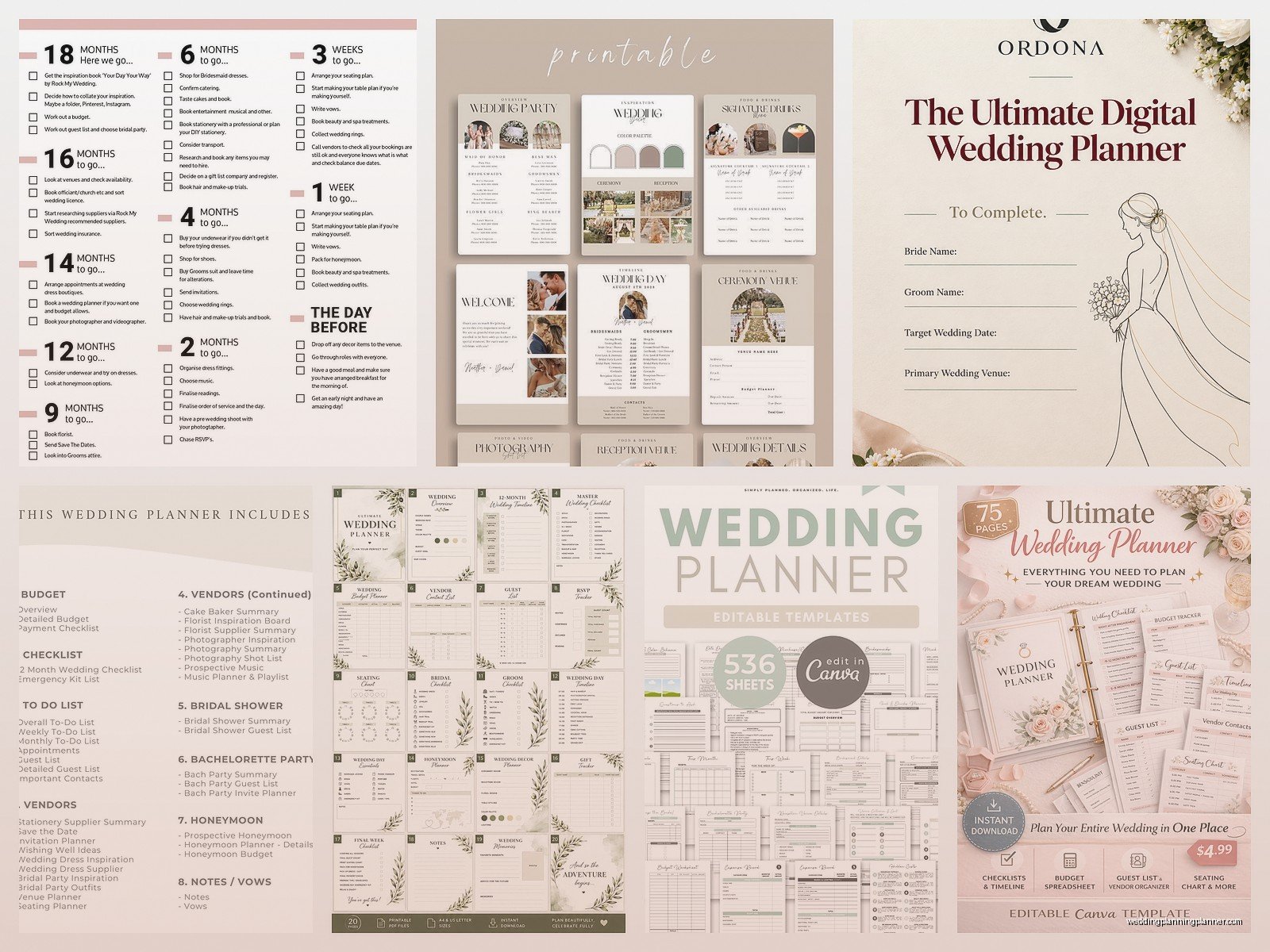
Event Design Services
Some planners (like me) also offer standalone design services. This is where we create the entire aesthetic vision – color palettes, florals, rentals, lighting, stationery design, table settings – but you’re handling the vendor booking and coordination. It’s for couples who’ve got the organizational skills but not the design eye or… wait, I need to feed my cat, she’s literally screaming at me. Okay back.
Elopement Planning
Elopements have gotten HUGE and they’re not just “show up at a courthouse” anymore. I’m planning elopements with photographers, hair/makeup, florals, private chefs, and incredible locations. They’re basically micro-weddings and they require just as much coordination as bigger events, just condensed.
What to Look for When Hiring a Planner
Not all wedding planners are created equal and there’s like, no licensing requirement in most places, so literally anyone can call themselves a planner. Here’s what you should actually look for:
Experience and portfolio: Ask to see full weddings they’ve planned, not just pretty detail shots. You wanna see their range and whether they’ve handled weddings similar to yours in size and style.
Vendor relationships: A good planner has established relationships with quality vendors in your area. This matters SO much because I can get my clients better pricing, priority booking, and vendors actually respond to my emails immediately because we’ve worked together for years.
Communication style: You’re gonna be talking to this person A LOT. If they take three days to respond to emails during the inquiry phase, that’s not gonna magically improve after you’ve paid them.
Detailed contracts: Any professional planner should have a clear contract outlining exactly what services are included, payment schedules, cancellation policies, and what happens if they have an emergency and can’t make your wedding.
Insurance: Professional liability insurance is a must. If something goes wrong, you want to know your planner is covered.
Planning process: Ask them to walk you through their typical planning process. How often do you meet? What tools do they use for communication and organization? Do they have a team for the wedding day or is it just them?
The Reality of Working With a Planner
I’m gonna be real with you – hiring a planner doesn’t mean you just hand everything off and show up on your wedding day. You’re still making all the decisions. I can’t tell you whether you want roses or peonies, a band or a DJ, chicken or fish. What I can do is present you with options that fit your budget and style, give you professional recommendations based on experience, and handle all the logistics of making your decisions happen.
You’re still gonna have homework. I’m gonna send you vendor options and you need to review them. I’m gonna ask you questions about your vision and you need to answer them (Pinterest boards are helpful but “I’ll know it when I see it” is not a design direction I can work with). You need to respond to my emails in a reasonable timeframe because if I’m asking about your ceremony music choices six weeks before the wedding, it’s because we’re running out of time.
When Things Go Wrong
The real value of a professional planner shows up when things go sideways. And things ALWAYS go sideways somewhere. I’ve handled vendor no-shows, weather disasters, family emergencies, wardrobe malfunctions, food poisoning, you name it. The couple usually never even knows half the problems that got solved because that’s literally my job – to handle it without bothering them.
Last fall I had a wedding where the cake delivery truck broke down two hours before the reception. I had my assistant picking up sheet cakes from three different grocery stores while I called in a favor with a baker I knew who rushed over to make the display look intentional. The couple found out about it weeks later when they got my final recap email and they were shocked because everything seemed perfect on the day.
Red Flags to Watch Out For
There are some planners out there who give the rest of us a bad name, so here’s what should make you run:
- No contract or super vague contract language
- Asking for full payment upfront (standard is 50% deposit, rest due closer to the wedding)
- Can’t provide references or examples of past work
- Pushes specific vendors really hard without explaining why (they might be getting kickbacks)
- Doesn’t ask about your budget or vision in the initial consultation
- Promises things that sound too good to be true (“I can get you a $50,000 wedding for $20,000!”)
- Doesn’t have backup plans or a team for emergencies
The Money Talk
People always wanna know if a planner is “worth it” and look, I’m biased obviously, but here’s my take: a good planner saves you money in the long run through vendor relationships, avoiding costly mistakes, and efficient budget allocation. We also save you an insane amount of time and stress.
That said, if your budget is super tight, day-of coordination is the minimum I’d recommend. Planning everything yourself and then having no one to execute it on the day is risky. I’ve rescued several weddings where couples tried to have their aunt or friend coordinate and it was a disaster because those people also wanted to enjoy the wedding.
If you’re spending $30,000+ on your wedding, allocating 10-15% of that to professional planning makes sense. For smaller budgets, even just having someone there for the final month and wedding day is worth it for peace of mind alone.
Questions You Should Ask Potential Planners
When you’re interviewing planners (and yes, interview multiple people), here’s what to ask:
- How many weddings do you take on per year/month?
- Will you personally be at my wedding or will you send an associate?
- What’s your emergency backup plan?
- Can you work with vendors I’ve already booked or do you require I use your preferred vendors?
- What’s included in your day-of coordination team? (How many people, what are their roles)
- How do you handle budget tracking and payment schedules to vendors?
- What happens if we go over budget?
- How do you handle disputes with vendors or service issues?
- What’s your communication policy? (Response times, availability, preferred methods)
Also ask them about a wedding that went wrong and how they handled it. Their answer will tell you a lot about their problem-solving skills and honesty.
The planning industry has changed so much even just in the past five years with new tools and technology, but at the end of the day it’s still about relationships, organization, and being able to keep your cool when the best man loses the rings (happens more often than you’d think). Finding the right planner is about finding someone whose working style matches yours and who you actually trust to handle one of the biggest events of your life. No pressure or anything.
