
Planning Guides, Style Guide
Wedding And Events Coordinator: Complete Guide
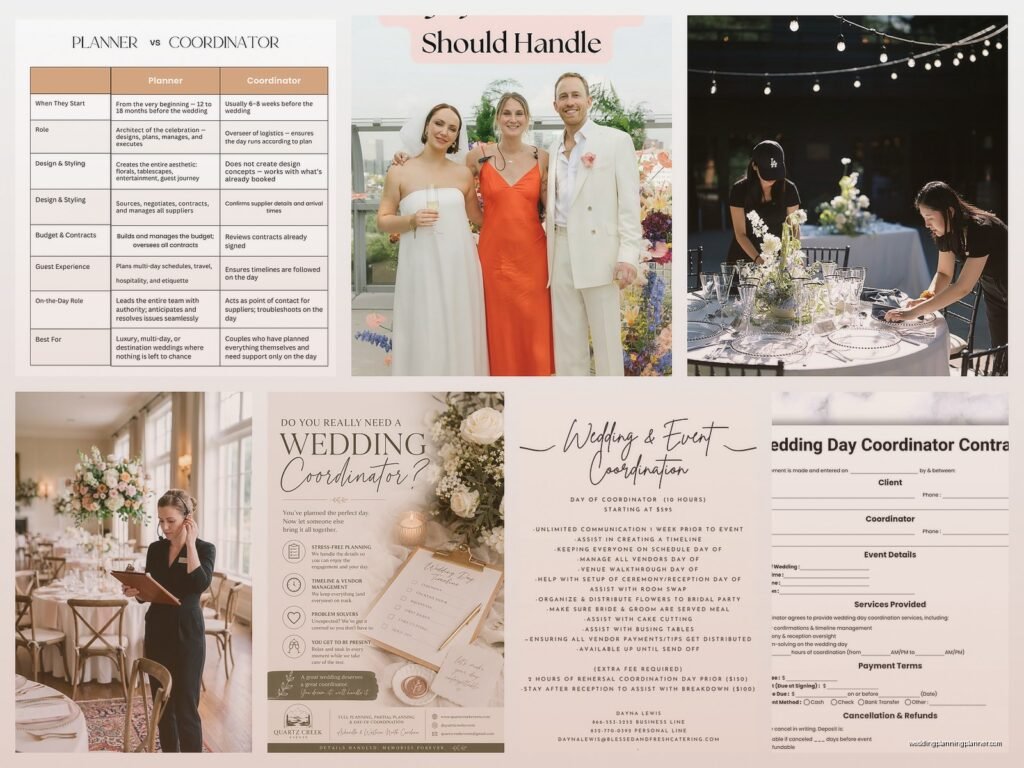
Oct
So You Wanna Be a Wedding and Events Coordinator
Okay so first thing—being a wedding and events coordinator is nothing like what you see on those reality TV shows. Like, at all. I learned this the hard way back in spring 2023 when I had a bride who literally brought her Pinterest board printed out in a three-ring binder with tabs and expected me to recreate photos from weddings that probably cost $300K on her $45K budget. That was… a day.
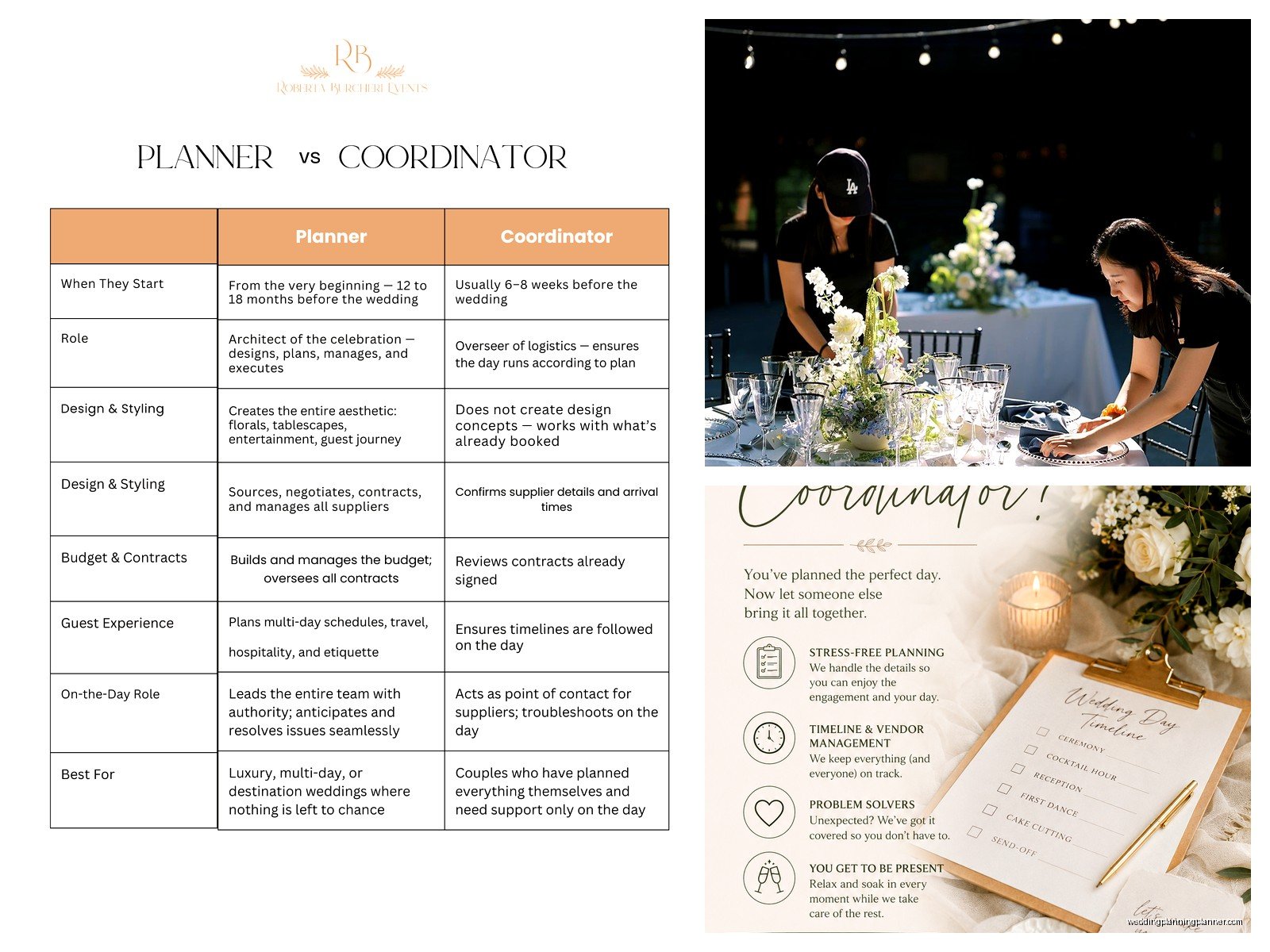
The basic gist is you’re the person who makes sure everything runs smoothly. You’re not usually the one deciding what color napkins to use (that’s more the planner role, though these jobs overlap constantly), but you’re the one making sure those napkins actually show up, are the right color, and get folded correctly. You’re also gonna be the one dealing with the rental company when they deliver gold chargers instead of silver at 2pm on a Saturday when your event starts at 5pm.
What Actually Happens Day-to-Day
Your job splits into two main chunks: the before part and the actual event part. Before the event, you’re doing timelines, confirming vendors, creating floor plans, answering approximately eight million questions, and basically being a professional email responder. I spend probably 60% of my time just… emailing. It’s kinda boring honestly but it’s important.
You’ll coordinate with venues, caterers, florists, DJs, photographers, videographers, hair and makeup teams, transportation companies, officiants, and sometimes like, a falconer if someone wants their ring delivered by a bird or whatever people are doing these days. Each vendor needs a timeline, needs to know where to load in, needs parking information, needs their payment schedule confirmed.
Then there’s the day itself where you’re basically a very well-dressed firefighter putting out fires that nobody else can see. Your couple should never know that the cake arrived an hour late or that the best man forgot the rings at his hotel or that Aunt Susan tried to rearrange the entire seating chart thirty minutes before doors opened because she’s “not sitting near Margaret.”
Getting Started in This Career
You don’t technically need certification but it helps. I got my certification through a program that took about six months, cost around $3K, and taught me things like contract law, event design principles, and how to handle difficult clients without saying what you’re actually thinking. There’s also the Wedding Planning Institute, Association of Bridal Consultants, and a bunch of others.
But honestly? The real learning happens when you’re in it. I recommend starting as an assistant coordinator or even an intern if you can swing it financially. You need to see how events flow, what can go wrong (everything), and how experienced coordinators handle chaos while smiling.
The first wedding I ever coordinated solo, I was so nervous I forgot to eat anything and almost passed out during the ceremony. My cat knocked over my coffee that morning which I took as a bad omen but actually the wedding went fine, I was just… dramatic and underfed.

Skills You Actually Need
Organization is like, the obvious one. You’re juggling multiple events at different stages. Right now I have three weddings this month, two corporate events next month, and I’m in early planning for four weddings happening in fall. Every single one has different vendors, different timelines, different drama.
I use planning software—there’s HoneyBook, Aisle Planner, Dubsado, even just good old Google Sheets works if you’re starting out. You need a system for tracking payments, deadlines, vendor contacts, and client preferences. I learned this the hard way when I double-booked myself in summer 2021 because I was tracking things in my head like an idiot.
Communication skills matter more than people think. You’re translating between different groups constantly—explaining to a bride why her florist needs access to the venue six hours before the ceremony, telling a venue coordinator why the caterer absolutely must have that specific kitchen entrance, mediating when the photographer and videographer are fighting over ceremony positions.
Problem-solving under pressure is the big one though. When the power goes out, when someone’s dress rips, when the officiant is stuck in traffic, when it starts raining on an outdoor ceremony that has no backup plan because the couple “had a feeling” it wouldn’t rain… you gotta figure it out immediately.
The Business Side Nobody Talks About
If you’re going independent, you need an LLC or some business structure. You need liability insurance because venues require it and also because things happen—I once saw a groomsman knock over a $4K ice sculpture. You need contracts that protect you, outline your services clearly, and explain what happens if clients are late with payments or if they cancel.
Pricing is weird in this industry. Some coordinators charge flat fees, some do percentage of total budget, some do hourly. I do flat fees based on service level—day-of coordination starts at $1,800, partial planning starts at $3,500, full planning starts at $6K. This varies hugely by location though. In major cities you can charge way more.
You’ll need a website, social media presence, and honestly good relationships with vendors. Other vendors refer clients to coordinators they trust, and that’s how you build your business. The wedding photographer who knows you’ll have everything running on time and get them their dinner during the reception? They’ll send couples your way.
Different Types of Events
Weddings are the main thing but corporate events, fundraisers, milestone birthdays, and anniversary parties all need coordinators too. Corporate events pay better usually and have less emotion involved which is… refreshing honestly. Nobody cries because the centerpieces at a corporate holiday party are the wrong shade of red.
I did a 50th birthday party last year that was basically a wedding in terms of complexity—250 guests, seated dinner, live band, the whole thing. The client was easier to work with than most brides because she just wanted a good party, not her “perfect dream magical day” that she’s been planning since age six.
Each event type has different priorities. Weddings are about emotion and photos and making sure family drama doesn’t explode. Corporate events are about brand representation, staying on budget, and making sure the CEO’s presentation tech actually works. Fundraisers are about maximizing donations while keeping costs low.
What Nobody Tells You
The hours are brutal during wedding season. You’re working every weekend from May through October basically. If you have a Saturday wedding, you’re probably there from 8am setup until 11pm or midnight teardown. Then you’re doing it again Sunday. Then you’re doing emails and planning meetings all week.
You’ll miss your own friends’ events because you’re working other people’s events. I’ve missed birthdays, concerts, even a family reunion because I had weddings booked. You gotta decide if that trade-off works for you.
The emotional labor is real. You’re managing not just logistics but feelings—anxious brides, stressed grooms, overbearing mothers, difficult family dynamics. You become part therapist, part mediator, part cheerleader. Some days I feel more like a counselor than a coordinator and that’s… not what I signed up for but it’s part of the job.
One thing that really annoys me is when people assume this job is just “fun parties all the time” or like, playing with flowers and cake tasting. Nah. It’s spreadsheets and contracts and vendor management and dealing with difficult personalities while wearing heels for 12 hours straight. The actual party part is work, not fun, because you’re constantly monitoring everything.
Building Your Vendor Network
You cannot do this job without solid vendor relationships. You need go-to people for every category—florists who deliver on time, caterers who handle dietary restrictions properly, DJs who read the room, rental companies that don’t screw up orders.
I keep a spreadsheet of every vendor I’ve worked with, rating them on reliability, quality, price point, and how they handle problems. When a client asks for recommendations, I can pull from this immediately. When I need a last-minute solution, I know who picks up their phone on a Saturday.
Go to industry events, join local wedding professional groups, take vendors out for coffee. These relationships will save your butt repeatedly. The florist who bumps you up in their schedule because you’ve sent them tons of business? Worth their weight in gold.
Day-of Coordination Specifics
This is usually the entry-level service and what most couples book minimum. You come in about a month before, get all the vendor info and plans the couple already made, create a detailed timeline, and then run the actual day.
Your timeline needs to account for everything—when vendors arrive, when the wedding party needs to be dressed, when family photos happen, when cocktail hour starts, when dinner is served, when speeches happen, when cake cutting happens, when the last dance is. And you need buffer time because nothing ever runs exactly on schedule.
On the day, you’re arriving early to direct vendor setup, making sure the ceremony space is arranged correctly, doing a final walkthrough, coordinating the processional, cueing musicians, managing the reception flow, handling any issues that pop up, and making sure everything gets packed up correctly at the end.
You need an emergency kit—safety pins, stain remover, bobby pins, tissues, pain relievers, breath mints, double-sided tape, scissors, needle and thread, bandaids, phone chargers, and honestly I keep granola bars because someone always forgets to eat. I’ve used every single item in that kit multiple times.
Partial Planning vs Full Planning
Partial planning usually means you come in about three to six months out. The couple has maybe booked their venue and a few vendors but needs help with the rest. You’re doing vendor recommendations, attending some planning meetings, helping with design decisions, and then doing all the day-of coordination.
Full planning is from the very beginning—helping pick the venue, creating the whole vendor team, doing design, managing budget, basically everything. These clients need the most hand-holding but also pay the most. You’re meeting with them regularly, sometimes weekly as the date gets closer, and you’re making a lot of decisions together or sometimes just… making the decisions because they’re overwhelmed.
I prefer partial planning honestly because couples have already gotten through the fun initial stuff but still need real help with execution. Full planning can be exhausting because you’re there for every single tiny decision and some people cannot make decisions to save their lives.
Handling Difficult Situations
You will have bridezillas. You will have demanding mothers-in-law. You will have family members who think they know better than you. You gotta set boundaries early and stick to them.
I had a mother of the bride once who kept texting me at like 10pm with random questions or “ideas” she had. I finally had to send a polite but firm email explaining my business hours and that non-emergency communication needed to happen during those times. She was annoyed but honestly? My sanity mattered more.
When things go wrong during an event, you stay calm externally no matter what. I’ve dealt with vendors not showing up, equipment failures, weather disasters, family fights, medical emergencies… you handle it, you find solutions, and you keep smiling because the couple should never see you panic.
The worst is when couples don’t trust your expertise. Like, I’ve been doing this for years, I know that timeline won’t work or that vendor is unreliable or that idea will look bad in photos, but some people think they know better because they watched some YouTube videos. You can advise but ultimately it’s their event and sometimes you just gotta let them make mistakes.
Work-Life Balance (Or Lack Thereof)
Real talk—this career is hard on your personal life. You’re working when everyone else is celebrating. You’re stressed during what should be happy occasions. You’re constantly on your phone or laptop.
I try to block out some weekends in off-season for myself. I don’t take weddings between Thanksgiving and New Year’s usually. I have a rule about not checking email after 8pm on weekdays, though I definitely break that rule more than I keep it…
Some coordinators burn out fast. The turnover in this industry is pretty high because people realize the reality doesn’t match their expectations. If you need regular weekends off, if you can’t handle high-stress situations, if you need predictable 9-to-5 hours, this probably isn’t for you.
But if you like variety, if you’re good under pressure, if you like making things happen and seeing immediate results from your work, it can be really satisfying. Every event is different, every couple is different, and when things go smoothly and everyone’s happy, it feels pretty good.
Just make sure you’re going into it with realistic expectations about what the job actually is—less champagne and cake, more spreadsheets and problem-solving while your feet hurt.
