
Planning Guides, Style Guide
Wedding Director: Complete Guide
Oct
So You Wanna Know What a Wedding Director Actually Does
Okay so wedding directors are kinda like the glue that holds the actual wedding day together, and honestly I wish more couples knew about this role because it would’ve saved me SO much stress back in summer 2021 when I had three weddings in one weekend and two of them didn’t have proper day-of coordination. Total chaos.
A wedding director is different from a wedding planner – and this is where people get confused all the time. I’m a planner, right? I help you pick vendors, design the whole aesthetic, manage your budget for like 12-18 months. A wedding director (sometimes called a day-of coordinator or wedding coordinator) swoops in usually 4-6 weeks before the wedding and makes sure everything you planned actually happens correctly on the day.
What They Actually Do During Those Weeks Before
The director will reach out to all your vendors – and I mean ALL of them. Florist, caterer, DJ, photographer, videographer, cake person, rental company, the whole crew. They’ll create this massive timeline that breaks down every single moment of your day, like “5:47pm – best man gives toast” level of detail. They confirm delivery times, setup requirements, who needs access to which spaces and when.
You’ll have meetings with them where they ask you a million questions about your vision. Do you want your entrance to be announced or should you just walk in? Who’s sitting with Great Aunt Martha because she can’t sit near your mom’s cousin for… reasons? What happens if it rains and your ceremony is outdoor? They’re gonna need backup plans for your backup plans.
The Actual Wedding Day
This is where they earn every penny. Your wedding director shows up early – like way before you’re even thinking about getting into your dress. They’re checking that the ceremony space is set up right, that the florist put the arrangements where they’re supposed to go, that the caterer knows about your uncle’s severe nut allergy.
I remember this one wedding in spring 2023 where the couple didn’t hire a director and the bride literally spent 45 minutes of her getting-ready time on the phone with the rental company because they delivered the wrong chairs. She was in her robe, hair half-done, mascara running because she was crying, trying to coordinate chair delivery. That could’ve been a text to a wedding director who would’ve handled it in like 5 minutes.
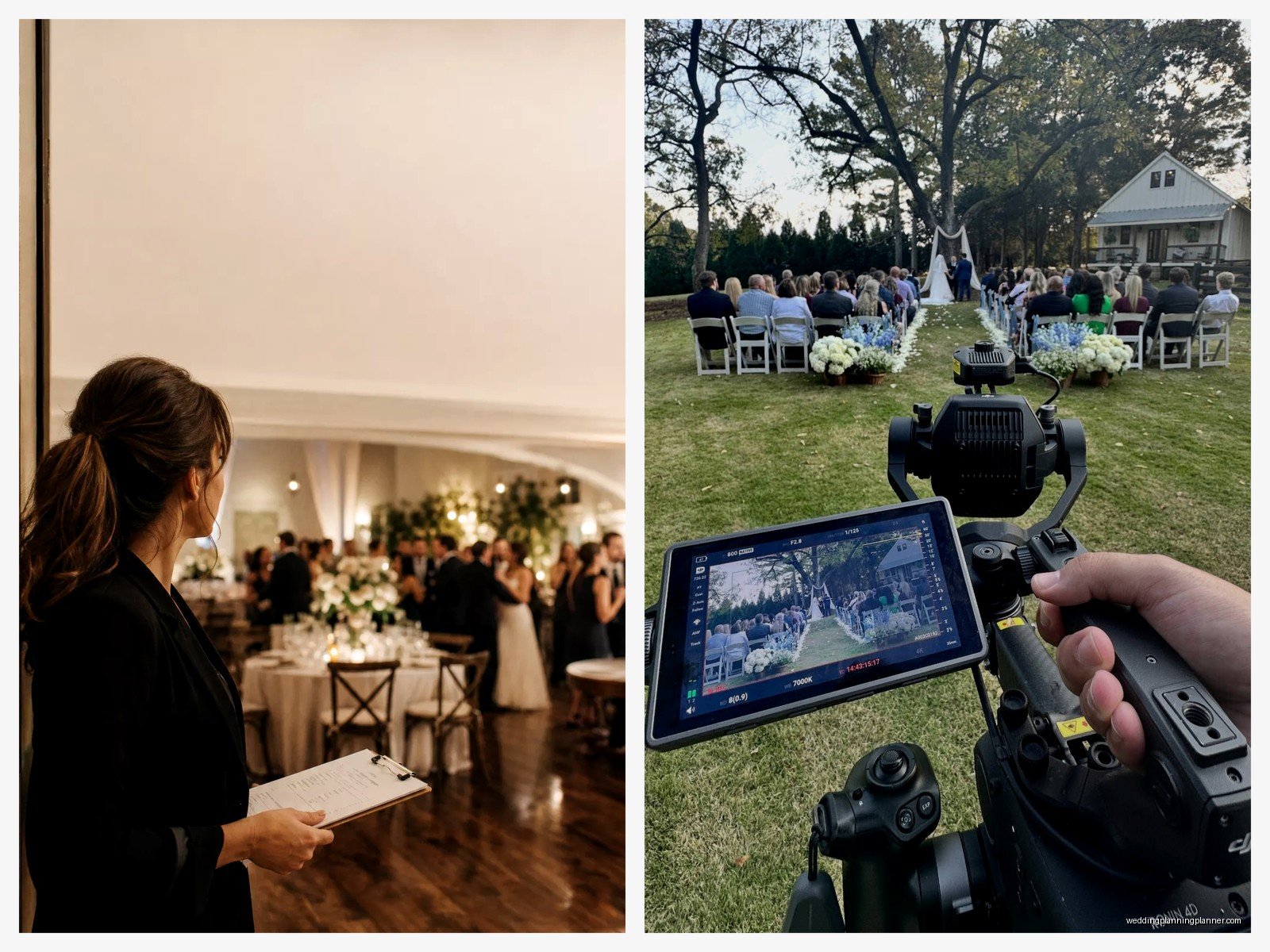
Throughout the day, the director is:
- Cueing the processional music and telling people when to walk
- Making sure your dress is fluffed and positioned perfectly for photos
- Carrying your emergency kit (safety pins, stain remover, breath mints, tissues, all that stuff)
- Directing guests to their seats or to the cocktail area
- Coordinating with catering staff on timing for dinner service
- Giving the DJ the signal for special dances or announcements
- Handling literally any crisis that pops up without bothering you
Why You Actually Need One Even If You Think You Don’t
Some couples are like “oh my sister can do that” or “my maid of honor is super organized” and nah. Just no. Your wedding party should be IN your wedding, not working it. I’ve seen too many stressed bridesmaids running around with timelines instead of enjoying the day.
Also – and this really annoys me – when family members try to coordinate weddings, they get emotionally involved in a way that makes them terrible at the job. Your mom shouldn’t be the one telling your dad he needs to stop talking to guests and get in position for photos. That creates weird tension. A director is neutral, professional, and nobody argues with them because they’re literally hired to be in charge.
The Different Types of Wedding Directors
You’ve got a few options here depending on your budget and needs.
Month-Of Coordination
This is the most common package. They come in about 4-6 weeks before, do all the vendor contact and timeline creation, then manage the rehearsal and wedding day. Usually runs between $800-$2000 depending on your location and the complexity of your wedding. City weddings cost more, obviously.
Day-Of Only
Some coordinators offer literally just the wedding day management. You handle all the vendor communication yourself, create your own timeline, and they just show up to execute it. This is cheaper (maybe $500-$1000) but honestly it’s kinda risky because they don’t have relationships with your vendors yet and might not know all the little details.
Full Planning with Coordination
This is what I offer – the whole package from engagement to exit. Planning, design, vendor selection, AND day-of coordination. It’s the most expensive option but you get someone who knows every single detail of your wedding because they helped create it.
Venue-Provided Coordination
Some venues include a coordinator in their package, but here’s the thing… that person works for the venue, not for you. They’re making sure the venue’s rules are followed and that their space doesn’t get messed up. They’re not necessarily thinking about YOUR vision or making sure your photographer gets the shot you wanted or that your grandma gets seated in the shade.
What to Look For When Hiring
Experience matters so much with this role. You want someone who’s done at least 20-30 weddings, preferably more. They need to have seen enough stuff go wrong that nothing surprises them anymore. My cat knocked over my coffee while I was writing this but anyway—
Ask them about their crisis management stories. Any good director has handled a missing groom (found him at the bar), a dress malfunction (safety pins and fashion tape), a vendor no-show (they should have backup vendor contacts), weather disasters, family drama, you name it.
Check if they:
- Have liability insurance (seriously, this matters)
- Bring an emergency kit or if you need to provide one
- Have an assistant for larger weddings (over 150 guests you probably need two people)
- Offer a rehearsal walkthrough or if that costs extra
- Will stay for your entire reception or just until a certain time
- Communicate well and respond quickly to emails
Red Flags to Watch For
If someone says they can coordinate your 200-person wedding solo, that’s… questionable. If they don’t ask detailed questions about your wedding or seem kinda checked out during your consultation, pass. If they can’t provide references or examples of timelines they’ve created, also pass.
I’ve heard horror stories of coordinators who showed up hungover, who spent the whole reception on their phone, who didn’t actually coordinate anything and just stood around. Read reviews carefully and talk to their past clients if you can.
Working With Your Wedding Director
Once you hire them, you gotta actually give them the information they need. I know it seems obvious but you’d be surprised how many couples don’t respond to their coordinator’s emails and then wonder why things aren’t organized.
Give them:
- Complete vendor contact list with names, phone numbers, emails, contract details
- Your vision and priorities – what matters most to you about the day
- Family dynamics they should know about (divorced parents, family feuds, who can’t sit together)
- Your actual wedding day schedule and any traditions you’re including
- Floor plans or diagrams if you have specific setup ideas
- A list of VIPs they should know (grandparents, important guests, people giving speeches)
Be honest about your budget limitations. If you can’t afford certain things, tell them upfront so they can work within reality instead of assuming you’ve got endless money.
The Timeline Creation Process
Your director will probably send you a draft timeline that seems insanely detailed and you might think “do we really need to schedule when people eat appetizers?” but yes, you do. The timeline keeps everyone on track and makes sure there’s enough time for everything.
They’ll usually build in buffer time because things always run a bit late. Photos take longer than expected, guests linger during cocktail hour, someone’s speech goes long. Good directors know this and plan accordingly.
Review the timeline carefully and speak up if something feels off. If you’re not a super traditional couple and don’t want a bouquet toss, tell them. If you want more time for dancing and less time for… I don’t know, whatever else happens at weddings that you don’t care about, say so.
What They Can’t Do
Wedding directors aren’t miracle workers, even though sometimes it feels like they are. They can’t force your vendors to provide services that weren’t in the original contract. They can’t make your drunk uncle behave (though they can try to manage situations). They can’t fix problems that come from poor planning way earlier in the process.
If you booked a terrible DJ six months ago, your day-of coordinator can’t suddenly make them good at their job. They can work with what you’ve given them, but they’re not starting from scratch on wedding day.
They also shouldn’t be doing setup and teardown – that’s usually not in their job description unless you specifically hired them for that. They direct other people doing the setup, but they’re not hauling tables around themselves. Some do help with small stuff like placing favors or organizing the gift table, but major physical labor isn’t really the role.
Cost and Budget Considerations
I know coordination feels like an “extra” expense when you’re already spending so much on the venue, food, flowers, dress… everything. But it’s honestly one of the best investments you can make because it protects all those other investments.
Think about it – you spent $3000 on flowers. Don’t you want someone making sure they’re set up correctly and beautifully? You paid your photographer $4000. Shouldn’t someone be keeping you on schedule so you actually get all the photos you wanted?
If your budget is really tight, you might be able to find newer coordinators who charge less because they’re building their portfolio. Just make sure they’ve at least assisted at weddings before, even if they haven’t led them solo.
Some coordinators offer payment plans, so you’re not dropping $1500 all at once. Ask about that if it helps.
DIY Coordination
Can you do this yourself? I mean… technically yes, but should you? That’s different. I’ve seen couples try to coordinate their own weddings and it usually means someone (often the bride) is stressed the entire day, can’t be fully present, and doesn’t enjoy their own wedding.
If you absolutely must go the DIY route, at least create a detailed timeline, share it with all vendors in advance, and designate a reliable non-family member to be the point person on the day. Give them a radio or keep them on speed dial, and empower them to make decisions without running everything past you.
Questions to Ask During Consultations
When you’re interviewing potential directors, don’t just ask basic stuff. Get specific:
- What’s the largest wedding you’ve coordinated? The smallest?
- Have you worked at my venue before?
- What happens if you get sick on my wedding day – do you have a backup?
- How do you handle difficult family members or guests?
- What’s your communication style during the planning process?
- Can I see a sample timeline you’ve created?
- What’s included in your emergency kit?
- How many meetings do we get before the wedding?
- Will you attend my rehearsal?
- What’s your policy on overtime if the reception runs long?
Pay attention to how they answer. Do they seem confident and experienced? Do they listen to your concerns or just talk at you? Do you feel like you could trust them with the most important day of your life?
Honestly the vibe matters as much as their qualifications because you’re gonna be texting this person at like 11pm three weeks before your wedding asking if you really need escort cards or if people can just find their own seats (you need them, by the way, unless you want chaos).
The right wedding director makes everything smoother, handles the stress you didn’t even know was coming, and lets you actually enjoy being married instead of managing logistics. They’re worth every penny and then some, even if it feels like another expense in an already expensive process. Your future self walking down the aisle, relaxed and happy instead of worried about whether the caterer showed up, will thank you for hiring one.
