Planning Guides, Style Guide
Wedding Card Gift: Design & Ordering Guide
Jun
Figure Out What You Actually Want First
Okay so the biggest mistake I see couples make is jumping straight to Pinterest before they even know what they need. Like, you’re gonna end up with seventeen saved pins of letterpress cards that cost $18 each when you have 200 guests and a $300 stationery budget. I learned this the hard way back in spring 2023 when a bride called me literally crying because she’d already ordered save-the-dates that didn’t match anything else and now she was stuck with this nautical theme she didn’t even like anymore.
Start with these questions: What’s your actual budget for the entire stationery suite? Are you doing save-the-dates or just invitations? Do you need response cards or are you going digital for RSVPs? What’s your wedding vibe—formal, casual, somewhere in between?
Write this stuff down because you’ll forget. I have a notes app on my phone that’s basically just scattered thoughts about client weddings and my cat’s vet appointments, but it works.
The Timeline Nobody Tells You About
So here’s what actually needs to happen and when. Save-the-dates should go out 6-8 months before your wedding, especially if you’re doing a destination thing or holiday weekend. Invitations go out 8 weeks before the wedding—some people say 6 weeks but honestly that’s cutting it close and your Aunt Marie who still uses a flip phone needs more time.
But here’s the thing everyone forgets: you need to order your invitations like 4 months before the wedding because printing takes time, then you gotta assemble everything, address them (oh god the addressing), and actually mail them. If you’re doing custom design, add another month or two to that timeline.
I had this couple in summer 2021 who waited until 10 weeks before their wedding to even start looking at invitations and it was just… it was chaos. We ended up doing digital printing instead of letterpress because there literally wasn’t time, and the bride was so disappointed even though the cards turned out beautiful.
Design Options That Won’t Make You Wanna Scream
You’ve basically got a few routes here and they all have pros and cons that nobody explains clearly.
Pre-Made Templates
Places like Minted, Zola, Paperless Post (if you’re going digital), and Etsy have tons of templates. You pick one, customize the text and maybe colors, done. This is honestly the easiest route for most couples and there’s zero shame in it. The quality is usually pretty good, prices are reasonable, and you’re not gonna have a breakdown trying to explain to a designer what “romantic but not too romantic” means.
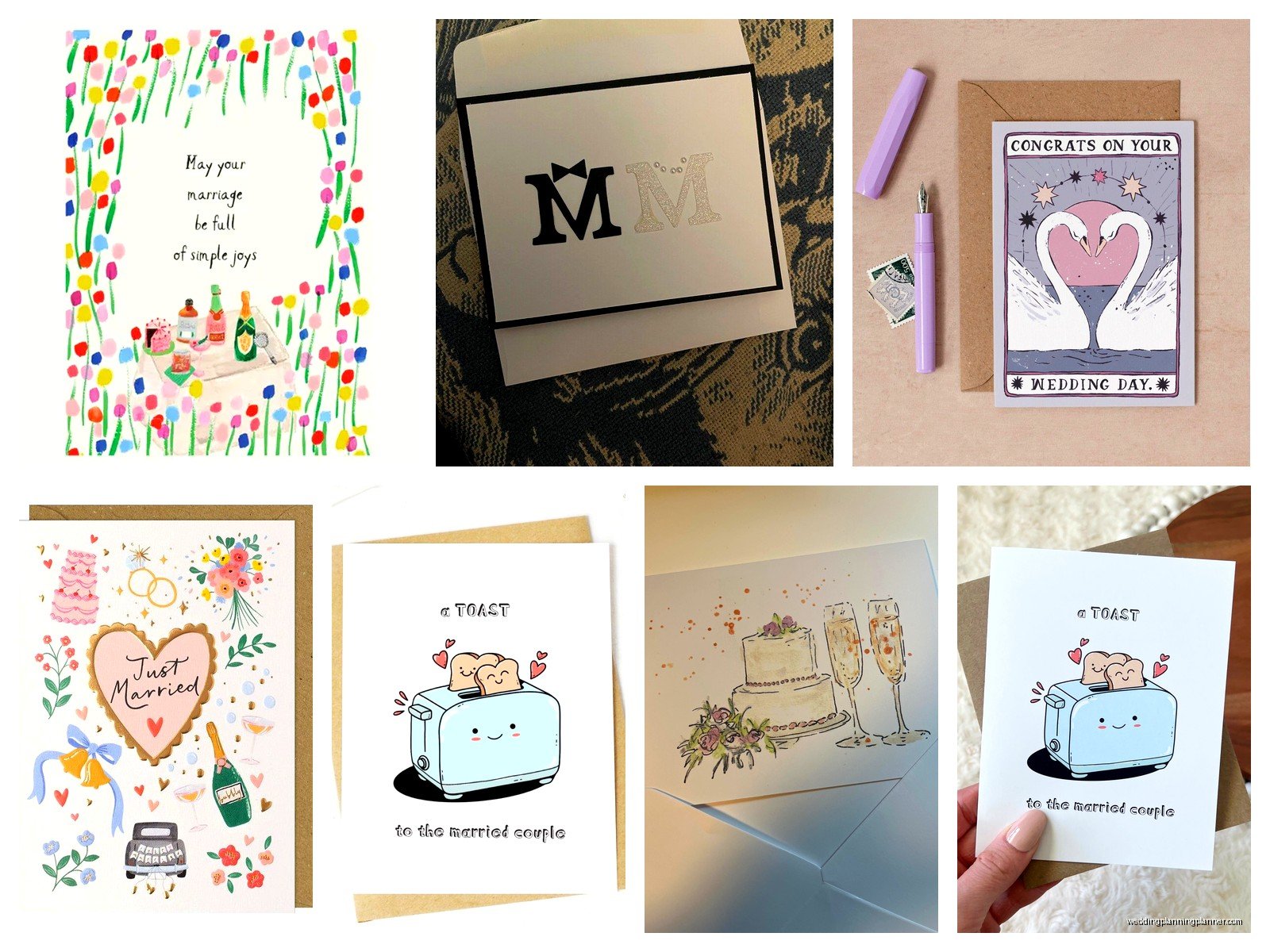
The annoying thing about templates though is that everyone and their sister might have the same one. I’ve been to three weddings with the same eucalyptus invitation from Minted. Just saying.
Semi-Custom Design
This is where you work with a designer who has existing designs but will modify them for you. They’ll change colors, fonts, add your monogram, switch up the layout a bit. It’s kinda the sweet spot between affordable and unique? Prices usually range from like $400-$1200 depending on your guest count and how much customization you want.
You can find these designers on Etsy, Instagram, or through wedding planners. Just make sure you see their portfolio first because some people call themselves designers when they really just… aren’t.
Fully Custom Design
This is the “I want something nobody else has ever had” route. You’re working with a stationer or designer from scratch. They’ll create something unique based on your wedding colors, theme, venue, whatever. It’s gorgeous but it’s expensive—think $1500-$5000+ for a full suite depending on printing method and quantity.
If you’re going this route, start early and be clear about your budget upfront. Good designers will work with you, but they can’t read minds and they definitely can’t create letterpress magic for $500.
Printing Methods Because This Actually Matters
Okay I’m gonna break this down because the printing method affects both how your cards look and how much you’ll spend.
Digital printing is the most affordable and fastest. It’s literally just high-quality printing like a fancy office printer but way better. Looks great, tons of color options, usually $2-$5 per invitation. This is what most people should do honestly.
Thermography gives you raised text that looks kinda like engraving but costs less. It’s that slightly shiny, textured feel. Pretty traditional looking, runs about $3-$7 per piece.
Letterpress is where text is pressed into thick cotton paper and you can feel the impression. It’s gorgeous and tactile and also expensive—like $8-$18 per invitation depending on complexity. Also you’re limited to simpler designs usually, and dark colored paper doesn’t really work.
Engraving is the fanciest and most traditional. Text is carved into a metal plate and pressed onto paper. Super crisp, super formal, super expensive. We’re talking $12-$25+ per piece. Unless you’re having a black-tie wedding at a country club, you probably don’t need this.
Foil stamping adds metallic or colored foil to your design. Looks amazing, very modern or glam depending on how you use it. Usually $6-$15 per invitation and you can combine it with other methods.
What You Actually Need to Include
At minimum, your invitation needs: who’s getting married, when, where (ceremony location and time), and how to RSVP. That’s it. Everything else is optional but here’s what people usually include:
- Reception details if it’s at a different location or different time
- RSVP card with a pre-addressed stamped envelope (yes you pay for their postage, it’s annoying but that’s etiquette)
- Details card with hotel info, website, dress code, whatever
- Weekend events card if you’re doing welcome drinks or day-after brunch
- Direction cards if your venue is hard to find (though honestly everyone just uses Google Maps now)
You don’t need all of this stuff. I see couples ordering like six different insert cards and half of them just get thrown away. Put the extra info on your wedding website and include one details card with the essentials and your website URL.
The Ordering Process Step by Step
So you’ve picked your design and printing method, now what? Here’s how it actually goes down.
First, you’ll get a proof—a digital mockup of what your invitation will look like. Read this thing like fifteen times. Check every single word, every date, every time, every spelling. I cannot tell you how many couples have ordered 200 invitations with their venue name spelled wrong or the wrong ceremony time. Once had a groom whose last name was “Fischer” and the invitations said “Fisher” and we didn’t catch it until they were printed because everyone was rushing.
For the love of god, have someone else proofread it too. You’ve looked at this design so many times that your brain will see what it expects to see, not what’s actually there.
Most companies will do a printed proof for an extra fee—usually like $20-$50. If you’re doing letterpress or foil or anything expensive, get the printed proof. Trust me. Colors look different on screen versus paper, and you wanna make sure you actually like it before you drop $2000.
Once you approve the proof, printing usually takes 2-4 weeks depending on the method. Digital is fastest, letterpress and engraving take longer. Then add shipping time—and don’t cheap out on shipping if you’re on a tight timeline, because regular ground shipping can take forever and… sorry, my cat just knocked over my water bottle, where was I?
Addressing These Things Without Losing Your Mind
Okay so you’ve got your beautiful invitations and now you gotta address like 150 envelopes and you’re realizing why people elope.
You’ve got options. You can hand-write them yourself if you have nice handwriting and a lot of free time and patience. You can hire a calligrapher which looks stunning but costs $2-$5+ per envelope. You can do printed addresses which is way more affordable—either digital printing or get labels printed that match your design.
There’s also this middle ground where you use a Cricut machine or those calligraphy pens if you’re crafty? But honestly if you’re not already into that stuff, don’t start now. Wedding planning is not the time to learn a new hobby.
Make sure your address list is completely finalized before you start addressing. Nothing worse than addressing an envelope and then realizing that couple broke up or they moved or you spelled something wrong.
Inner vs Outer Envelopes
Traditional formal invitations have two envelopes—an outer one with the mailing address and an inner one with just the guests’ names. The inner envelope is also where you indicate who’s actually invited (like “Mr. and Mrs. Smith” vs “The Smith Family” if kids are included).
Real talk though? Most couples skip the inner envelope now unless they’re doing a very formal wedding. It’s extra cost, extra paper, extra work. Just make sure your outer envelope clearly indicates who’s invited and use your wedding website to clarify the no-kids thing if that’s your situation.
Assembly and Mailing
So everything’s printed and addressed and now you gotta put it all together. This is actually kinda fun if you have wine and friends helping, or absolutely terrible if you’re doing it alone at 11pm on a Tuesday.
Stack everything in order: invitation on bottom, then reception card, then any other details cards, then RSVP card and envelope on top. If you’re using a belly band or ribbon or vellum wrap, now’s when you add that. Tuck everything into the envelope with the text facing up so when someone opens it, they see the invitation first.
Seal your envelopes but don’t lick 150 envelopes unless you want a horrible chemical taste in your mouth for hours. Get a glue stick or one of those envelope moistener things, or buy envelopes with self-seal strips.
Before you mail everything, take ONE complete invitation to the post office and have them weigh it. Square envelopes, thick paper, wax seals, ribbons—all this stuff can require extra postage. You don’t want your gorgeous invitations returned because you put a regular stamp on something that needed $1.20 in postage. Also this is the thing that annoyed me most last year when a bride insisted her invitations would be fine with regular stamps and then 47 of them got returned and we had to re-mail them and it delayed everything.
Get your stamps early too because cute wedding stamps sell out. The USSO has love stamps and botanical stamps that are perfect, but they go fast during wedding season.
Budget Breakdown So You Know What This Actually Costs
Here’s what you’re realistically looking at for 100 invitations (which is really about 150-200 guests since couples and families get one invitation):
Budget option: $200-$400 total. Digital printing, template design, printed addressing, basic paper stock. This is gonna be Minted or Zola or similar, totally fine and looks good.
Mid-range: $500-$1000 total. Semi-custom design, better paper, maybe thermography printing, some special touches like a details card or custom envelope liner.
High-end: $1500-$3000+ total. Custom design, letterpress or foil printing, thick cotton paper, calligraphy addressing, all the insert cards, fancy envelopes, the works.
Remember you also need to budget for postage—figure about $100-$150 for mailing 100 invitations with current stamp prices, more if your invitations are heavy or oversized.
Random Tips That’ll Save You Hassle
Order 15-20 extra invitations. You’ll mess up addressing some, you’ll want to keep one as a keepsake, random people will come out of the woodwork that you forgot to invite, whatever. Extras are cheap when you’re already printing, expensive if you have to do a second order.
Set up a wedding email address for RSVPs if you’re doing online responses. Keeps everything organized and you won’t miss replies in your regular inbox between work emails and promotional stuff from Target.
Take a photo of your full invitation suite laid out all pretty before you mail them. You’ll want this for your wedding album or whatever, and once they’re mailed you can’t recreate it.
If you’re doing wax seals, practice first and don’t put them on the envelope flap closure because the post office machinery will destroy them. Put them on the front of the envelope as decoration instead.
Consider doing digital save-the-dates and saving your budget for nice invitations. Save-the-dates are literally just “mark your calendar” and don’t need to be fancy. Invitations are the keepsake piece people actually care about.
When Things Go Wrong Because They Will
Look, something will probably go wrong. Maybe the color isn’t quite right, maybe there’s a typo you all missed, maybe the mail is slow, maybe your printer goes out of business (happened to a client of mine, total nightmare). Just… build in buffer time for everything and don’t wait until the last minute.
Most vendors are reasonable about fixing mistakes if it’s their fault. If it’s your fault (like you approved a proof with an error), you’ll probably have to pay for a reprint. This is why you read the proof seventeen times and have multiple people check it.
If invitations are running late and you’re getting close to that 8-week deadline, you can always email or call important guests to give them the date and details while you wait for physical invitations. Not ideal, but better than people not being able to make travel arrangements.
Anyway, that’s basically everything I know about wedding invitations crammed into one guide. It seems overwhelming but once you make a few decisions, the rest falls into place pretty easily. Just start early, know your budget, and don’t stress too much about making everything perfect because your guests honestly just wanna know when and where to show up.