
Planning Guides, Style Guide
Wedding Invitation Details: Insert Card Information Guide
May
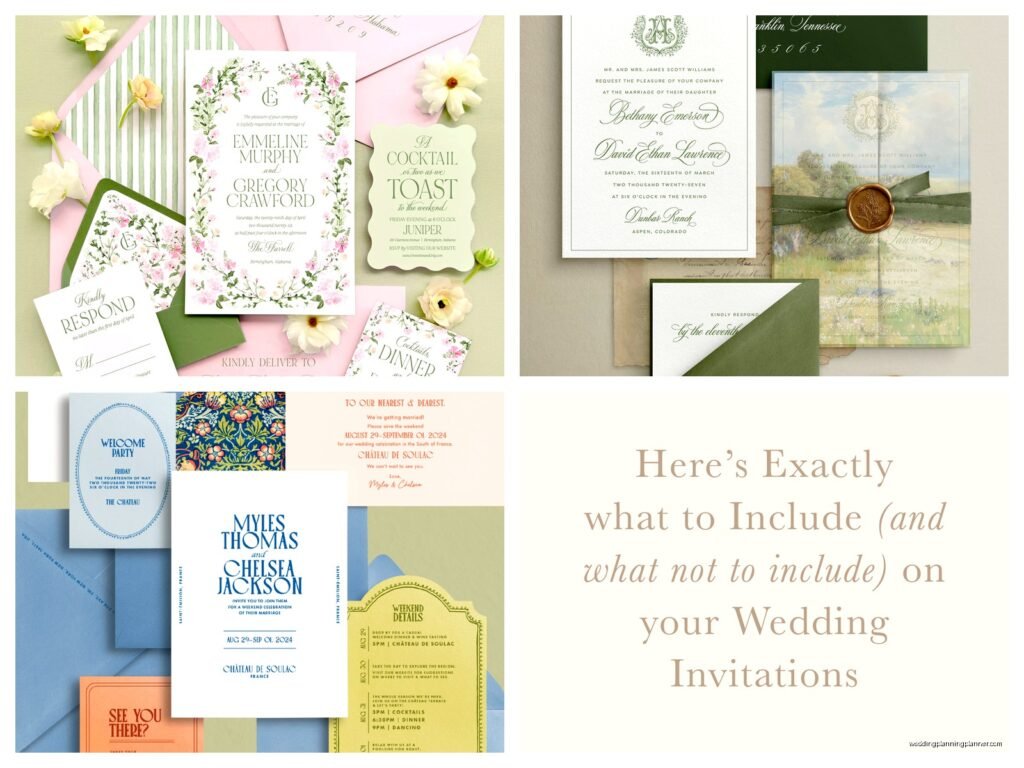
Insert Cards Are Those Extra Little Papers That Basically Save Your Life
Okay so insert cards are literally just those smaller cards that go inside your main invitation envelope and they tell guests all the important stuff that doesn’t fit on the main invitation itself. I had this bride back in spring 2023 who wanted to cram EVERYTHING onto one card and I was like no no no that’s gonna look like a legal document, not a wedding invitation.
The main invitation should just say the pretty stuff – who’s getting married, when, where, and maybe the reception location if it’s the same place. Everything else? That’s what inserts are for.
Reception Cards (When Your Ceremony and Party Are Different Places)
If you’re having your ceremony at a church or venue and then moving somewhere else for the reception, you need a reception card. It’s pretty straightforward but people mess this up all the time. The card should include:
- The word “Reception” at the top (or “Dinner and Dancing” or whatever vibe you want)
- The venue name
- Full address including city and zip code
- Time if it’s not immediately following the ceremony
I see couples skip the full address thinking everyone will just GPS it, but then Aunt Martha who still uses a paper map gets lost and shows up an hour late and you‘re gonna hear about it for the next decade. Just put the full address.
Response Cards Are Non-Negotiable Unless You Want Chaos
Alright so response cards are those little cards with a stamped envelope where guests tell you if they’re actually coming or not. Some couples think they can skip this and just have people text them or whatever, and let me tell you – that’s how you end up with 47 unread texts, your mom’s friend who “mentioned it at book club,” and absolutely no idea what your actual headcount is two weeks before the wedding.
Your response card needs:
- A response deadline (usually 3-4 weeks before the wedding)
- A line for names – and here’s where you can indicate how many seats they have
- Checkboxes or lines for “accepts with pleasure” and “declines with regret” or however formal you wanna be
- Meal choices if you’re doing a plated dinner
- Any dietary restrictions line
The thing that annoyed me SO MUCH is when couples don’t number their response cards. Like you gotta put a tiny number on the back that corresponds to your guest list because I promise you someone will send back a card that just says “can’t wait!” with no name and you’ll have no idea who it’s from. I started numbering them in pencil on the back after one particularly stressful situation in summer 2021 where we had eight mystery RSVPs and the bride literally cried.
Direction Cards or Maps
These are kinda old-school now that everyone has smartphones, but honestly? Still useful for older guests or if your venue is in the middle of nowhere where cell service is spotty. I got married at a barn venue once (wait no that was my college roommate, anyway) and half the guests ended up at the wrong barn because GPS took them to “Willow Creek Farms” instead of “Willow Creek Farm” – one letter different.
If you’re including directions, you can either do a simple text version with turn-by-turn from the nearest highway, or a cute illustrated map. The illustrated maps are adorable but make sure they’re actually accurate because I’ve seen some that were more decorative than functional.
Accommodations Card
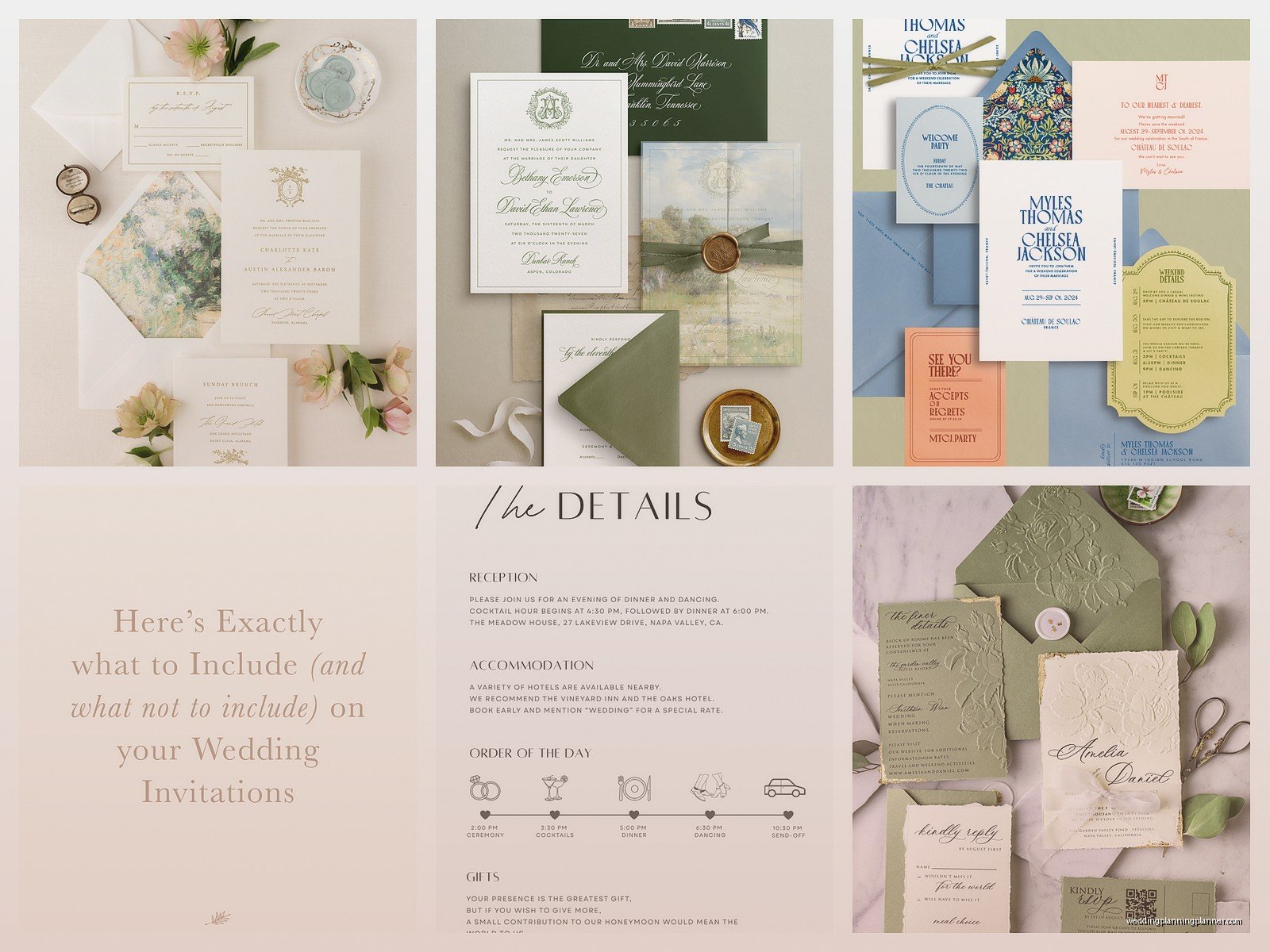
If you have guests traveling from out of town, an accommodations card lists hotel room blocks you’ve set up. Include:
- Hotel name and address
- Phone number and website
- Group code for your room block
- Deadline to book at the group rate
- Maybe distance from the venue
You can list 2-3 hotels at different price points so people have options. And please please please actually call the hotels and set up the blocks before you print these cards because I’ve had couples just list random hotels thinking they’d “figure it out later” and then guests call and there’s no room block and everyone’s confused.
Weekend Events Card
For destination weddings or multi-day celebrations, you need a whole card (sometimes even a full schedule) listing all the events. Rehearsal dinner, welcome drinks, day-after brunch, whatever you’ve got planned. Include:
- Event name and description
- Date and time
- Location
- Dress code for each event
- Who’s invited (if it varies – like rehearsal dinner might be wedding party only)
This is where things can get messy because you’re trying to fit multiple events on one card without it looking cluttered. I usually suggest a simple list format, chronological order, with clear headers for each day.
Website Card (The Modern Essential)
Honestly this might be the most important insert now. A simple card with your wedding website URL where guests can find EVERYTHING – registry, hotel info, FAQ, photos of you two, that embarrassing story about how you met that your mom insists on sharing. The website card should be super simple:
- Your names
- The website URL (make it short and easy to type)
- Maybe a line like “For more information and to RSVP online, please visit”
Some couples are doing online RSVPs exclusively now and just using the response card to direct people to the website. It works, but you gotta be ready to help older guests who aren’t comfortable with that or… my cat just knocked over my coffee, hang on.
Registry Card (But Maybe Don’t?)
Okay this is controversial but technically you’re not supposed to include registry information in the invitation suite because it can seem gift-grabby. Traditional etiquette says registry info goes on the wedding website and you spread it through word of mouth via your parents and wedding party.
BUT. In real life, guests want to know where you’re registered and they’re gonna ask anyway, so a lot of couples do include a small card that says something like “Your presence is the only gift we need, but if you wish to honor us with a gift, we’ve registered at [store names]” or just directing them to the website for registry details.
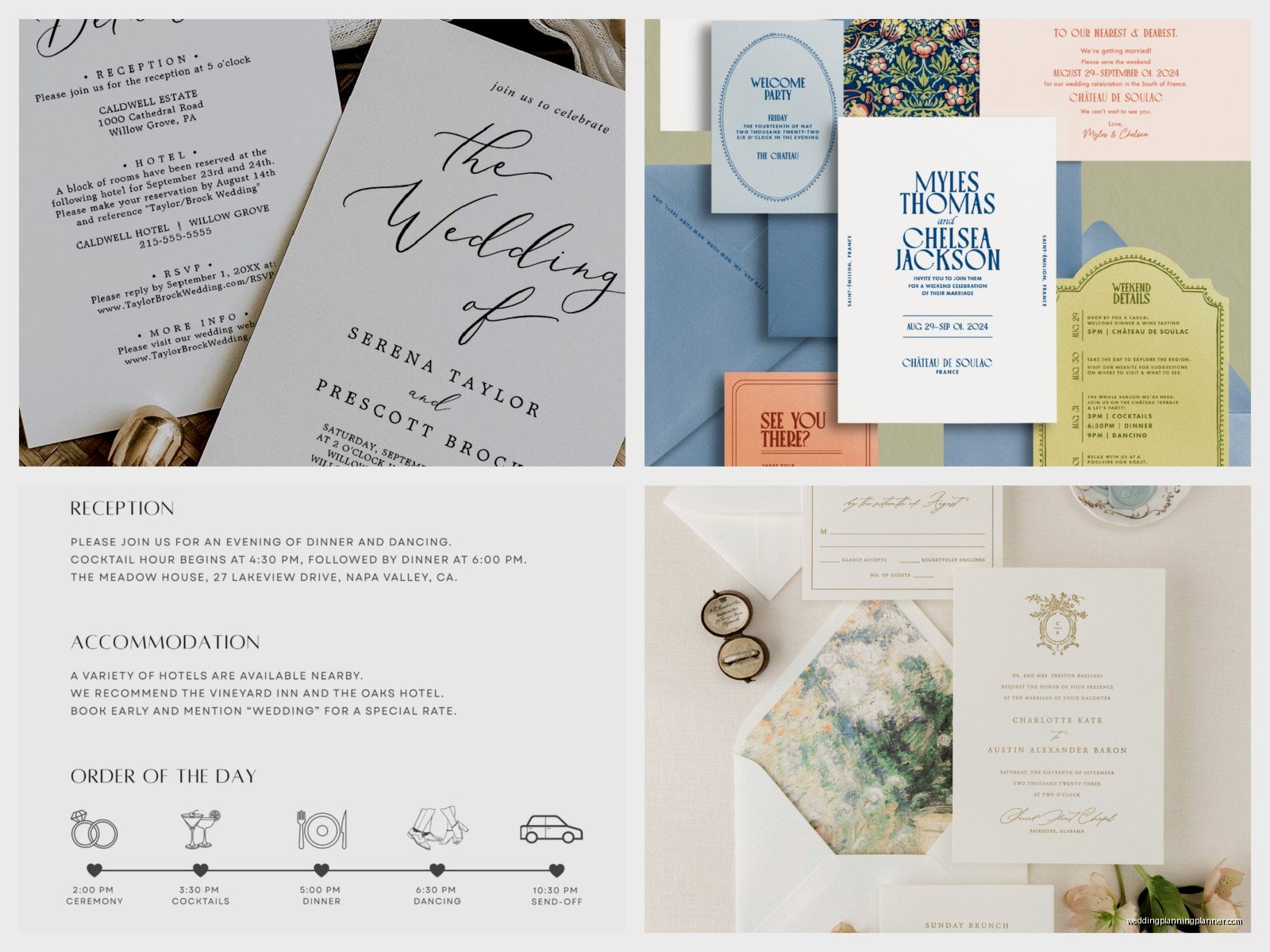
I’ve seen it done both ways and honestly nobody’s ever been offended by a tasteful registry card, but if you’ve got a super traditional family member who’s gonna have opinions, maybe skip it.
How to Actually Organize All These Cards
So now you’ve got like five different insert cards and you’re wondering how they all fit together. The assembly order matters more than you’d think because it affects how guests pull everything out of the envelope.
Standard assembly goes like this:
- Main invitation goes down first (face up)
- Reception card goes on top of that if you have one
- Any other enclosure cards go on top (directions, accommodations, etc.) usually from largest to smallest
- Response card goes on top, tucked under the flap of its own pre-stamped envelope, face up
Then all of that goes into the inner envelope (if you’re using one, which is another whole thing) or straight into the outer mailing envelope.
Some people use a belly band or ribbon to keep everything together, which looks pretty but also adds assembly time. If you’re doing 150 invitations, that adds up fast. My friend did belly bands for her invitations and we had a whole assembly party that took four hours and several bottles of wine.
Size and Paper Weight Things You Should Know
Insert cards are typically smaller than the main invitation. If your invitation is 5×7, inserts might be 4.5×6 or 4×5.5. They don’t all have to be the same size, but it looks more cohesive if they are. I usually recommend keeping them all one size for inserts, even if that size is different from the main invite.
Paper weight matters because if your inserts are too flimsy they’ll look cheap compared to your nice invitation, but if they’re too thick your envelope gets too stuffed and costs more to mail. I usually suggest 80-100lb cardstock for inserts, maybe a bit lighter than your main invitation.
Design Coordination
Your inserts should match your invitation design but they don’t need to be identical. Usually they’ll have the same fonts, colors, and maybe a simplified version of any design elements or borders. The main invitation is the star, the inserts are supporting cast.
Some couples do all their inserts in just text with no design elements to keep costs down, and honestly that’s fine. As long as the font matches and the paper quality is similar, it reads as intentional and coordinated.
What If You Don’t Need All These Cards
You definitely don’t need every type of insert. At minimum, most couples need response cards and maybe a website card. That’s it. If your ceremony and reception are in the same place, you don’t need a reception card. If you’re not having room blocks, skip the accommodations card. If your venue is easy to find, skip directions.
I had a couple once who tried to include NINE different insert cards because they kept thinking of more information to add and I finally had to be like… that’s what the website is for, we cannot fit nine cards in this envelope, it’s gonna cost you $3 per invitation to mail.
Wording Examples Because That’s Probably Why You’re Here
Response card wording can be super formal or totally casual depending on your vibe:
Formal:
“The favor of your reply is requested by the fifteenth of May
M_________________
___accepts with pleasure
___declines with regret”
Casual:
“Let us know if you can make it by May 15th!
Name(s):_________________
___Can’t wait! I’ll be there
___So sad to miss it”
For accommodations cards, keep it simple and informative. You don’t need fancy wording, just the facts.
Website cards are usually just your names, the URL, and maybe “For more information, please visit:” or something like that.
Printing Options and Costs
You can print inserts the same way you print your main invitations – letterpress, digital, thermography, whatever. But honestly, a lot of couples save money by doing the main invitation fancy and then printing inserts digitally or even at home if you’ve got a good printer.
If you’re ordering from a stationer, inserts usually cost $1-3 per card depending on printing method and paper. So if you need three insert cards for 150 invitations, that’s an extra $450-1350 just for inserts. It adds up fast which is why I always tell couples to really think about what information is essential versus what can go on the website.
The Belly Band Situation
Okay so belly bands are those paper bands or ribbons that wrap around your whole invitation suite to keep everything together. They look gorgeous in photos and they do serve a practical purpose, but they’re also kind of a pain. You have to assemble them (which takes forever), and they add thickness to your envelope which can affect postage.
If you love the look, go for it, but know what you’re getting into. I spent a whole Saturday in summer 2021 helping a bride assemble 200 invitations with belly bands and custom wax seals and by the end we were all just like why did we think this was a good idea, let’s just elope.
Don’t Forget About Postage
Here’s the thing nobody tells you – the more inserts you add, the heavier your invitation gets, and once you go over one ounce you need extra postage. Take a fully assembled invitation to the post office and have them weigh it BEFORE you buy 150 stamps. I’ve seen couples buy Forever stamps only to find out they need $1.20 in postage per invitation instead of the standard 68 cents or whatever it is now.
Also if your envelope is square or has any bulk to it, that’s a non-machinable surcharge. The post office is gonna get their money one way or another so just factor it in from the start.
