Planning Guides, Style Guide
Bridal Shower Cards: Party Invitation Design Ideas
May
Starting With Your Invitation Vibe
Okay so bridal shower invitations are honestly where most people mess up before they even get started because they jump straight to Pinterest without figuring out what they actually need the card to DO. I learned this the hard way back in spring 2023 when a bride’s aunt ordered these gorgeous watercolor invitations that didn’t include half the info guests needed and we had to send a second card which was awkward and expensive.
First thing – you gotta know your basics before you even think about fonts or colors. Who’s hosting? Where is it? What time? Is there a registry? Is it a surprise? These aren’t exciting questions but I’ve seen people spend $400 on letterpress invitations that forgot to mention the actual address so yeah.
The style should match the shower theme obviously but also the bride’s personality. If she’s super traditional and you send out invitations covered in cartoon champagne bottles and “bride tribe” all over them, that’s gonna feel off. I usually tell people to look at the bride’s Instagram or her wedding invitation style if that’s already picked out.
Color Schemes That Actually Work
Everyone wants to do blush pink and gold right now and listen, I get it, it’s pretty. But you know what else exists? Sage green. Lavender. Terracotta. Navy blue with cream. I did a shower last fall with deep burgundy and cream and it was stunning, way more memorable than the fifteenth blush pink situation I’d seen that month.
When you’re picking colors think about:
- The season – pastels feel weird for a November shower, richer tones look odd in May
- What colors the bride actually wears and likes
- What’s gonna photograph well because everyone will post these
- Printing costs if you’re doing this professionally
One thing that really annoys me is when people pick colors that look great on screen but print completely different. Purples especially – they always come out more blue or more pink than you expect. Always get a printed proof if you’re ordering online, even if it costs extra.
Layout Options You Should Consider
The classic layout is details in the center, decorative elements around the border, pretty straightforward. But there’s so many other ways to do this that feel more current or interesting.
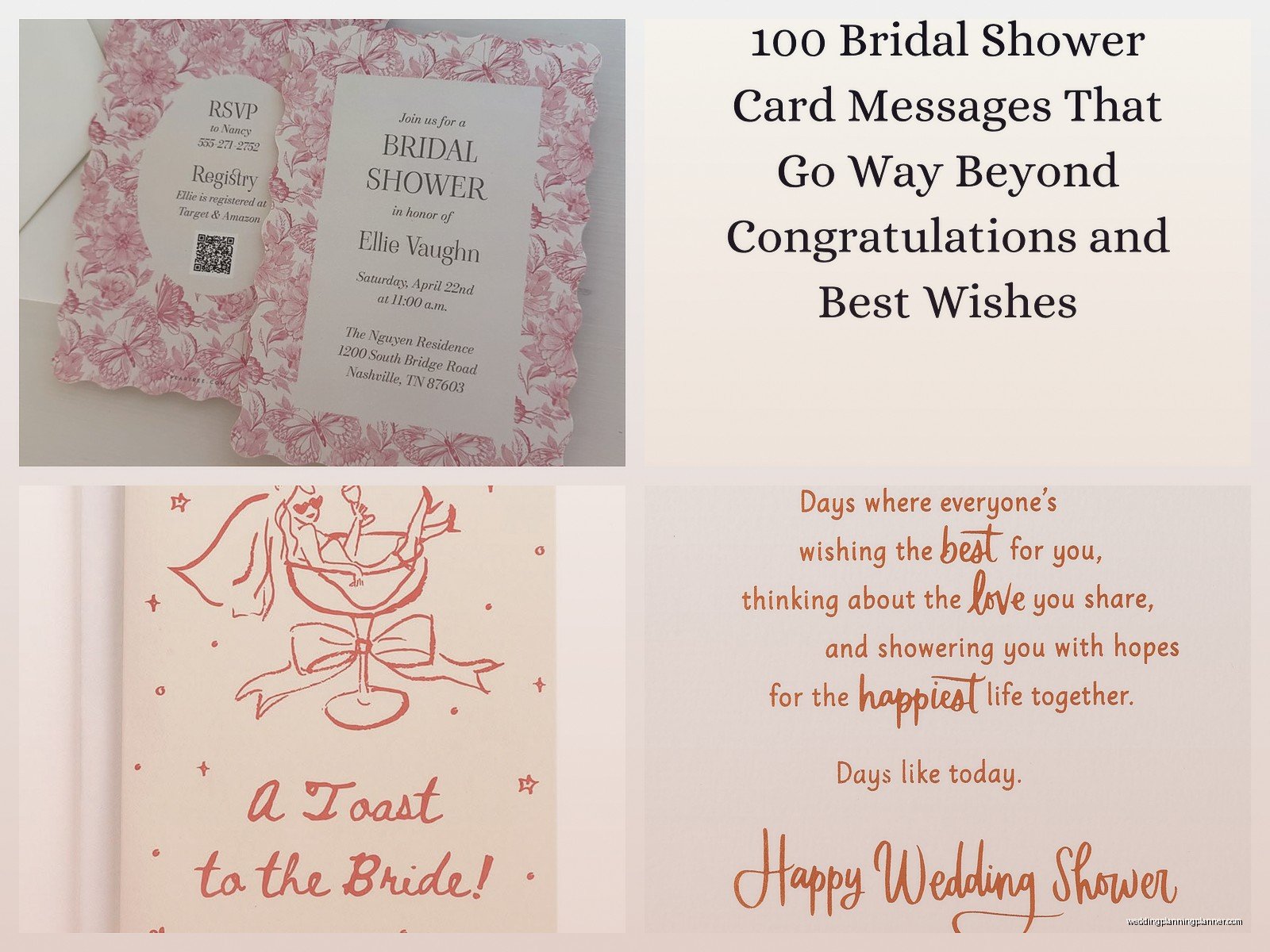
I really like the postcard style invitation where all the info is on one side and the other side is either blank for the address or has a pretty photo or illustration. These are cheaper to mail too since they don’t need envelopes, though some people think they look less formal.
Folded cards give you way more space which is great if you have a lot of info to include or want to add a map or schedule. You can put a big pretty design on the front and all your details inside. The downside is they cost more to print and mail.
Square invitations look really modern and different but here’s something nobody tells you – they cost more to mail because they’re considered irregular size by the post office. I had a client in summer 2021 who designed these beautiful 5×5 invitations and then almost had a breakdown when she found out postage was gonna be like 70 cents extra per card.
Digital vs Printed
Okay so digital invitations have come a long way and they’re not tacky anymore if you do them right. Paperless Post has really nice designs, same with Greenvelope. They’re obviously cheaper and faster and you can track RSVPs automatically which is super convenient.
But printed invitations still feel more special for events like bridal showers where you’re usually dealing with an older crowd who might not be super digital-savvy. My general rule is if more than a third of your guest list is over 60, go printed.
Typography Choices That Don’t Look Cheap
This is where people go really wrong really fast. You cannot use more than three fonts on one invitation, I don’t care how many pretty fonts you found. Two is actually better. One script font for names or key words, one clean sans-serif or serif for the details.
Script fonts should be readable – if your grandma can’t read it without her glasses, pick something else. I see so many invitations with this super swirly calligraphy that’s technically beautiful but you literally cannot tell what it says.
Some font combinations I use all the time:
- Montserrat with a simple script like Allura
- Playfair Display with Lato
- Cormorant Garamond with Raleway
Make sure your fonts match the formality level of the event. Casual backyard shower? Sans-serif fonts are great. Fancy tea party situation? Classic serif fonts with maybe an elegant script.
Design Elements and Graphics
You want your invitation to have personality but not look like a scrapbook threw up on it. Less is usually more here, even though that’s hard to remember when you’re scrolling through design elements.
Florals are classic and work for almost any shower style. You can go realistic botanical illustrations, watercolor flowers, or simple line drawings depending on your vibe. Just make sure the flowers you pick actually make sense – like don’t put autumn leaves on a spring shower invitation unless there’s a specific reason.
Geometric shapes and frames are really popular right now and they photograph well. Gold foil geometric designs especially, though real foil printing is expensive so a lot of people do digital gold which… it’s fine but it doesn’t have that same wow factor.
If the shower has a specific theme you can incorporate that but subtly. Recipes theme? Maybe a whisk illustration or cookbook border. Travel theme? Vintage stamps or a simple compass rose. But you don’t need to hit people over the head with it, the invitation can just hint at the theme and include it in the wording.
Photos on Invitations
Including a photo of the bride or the couple can be really sweet but it changes the whole feel of the invitation. It becomes more casual and personal. Works great for close friend groups, maybe feels weird for a mixed group with coworkers and distant relatives.
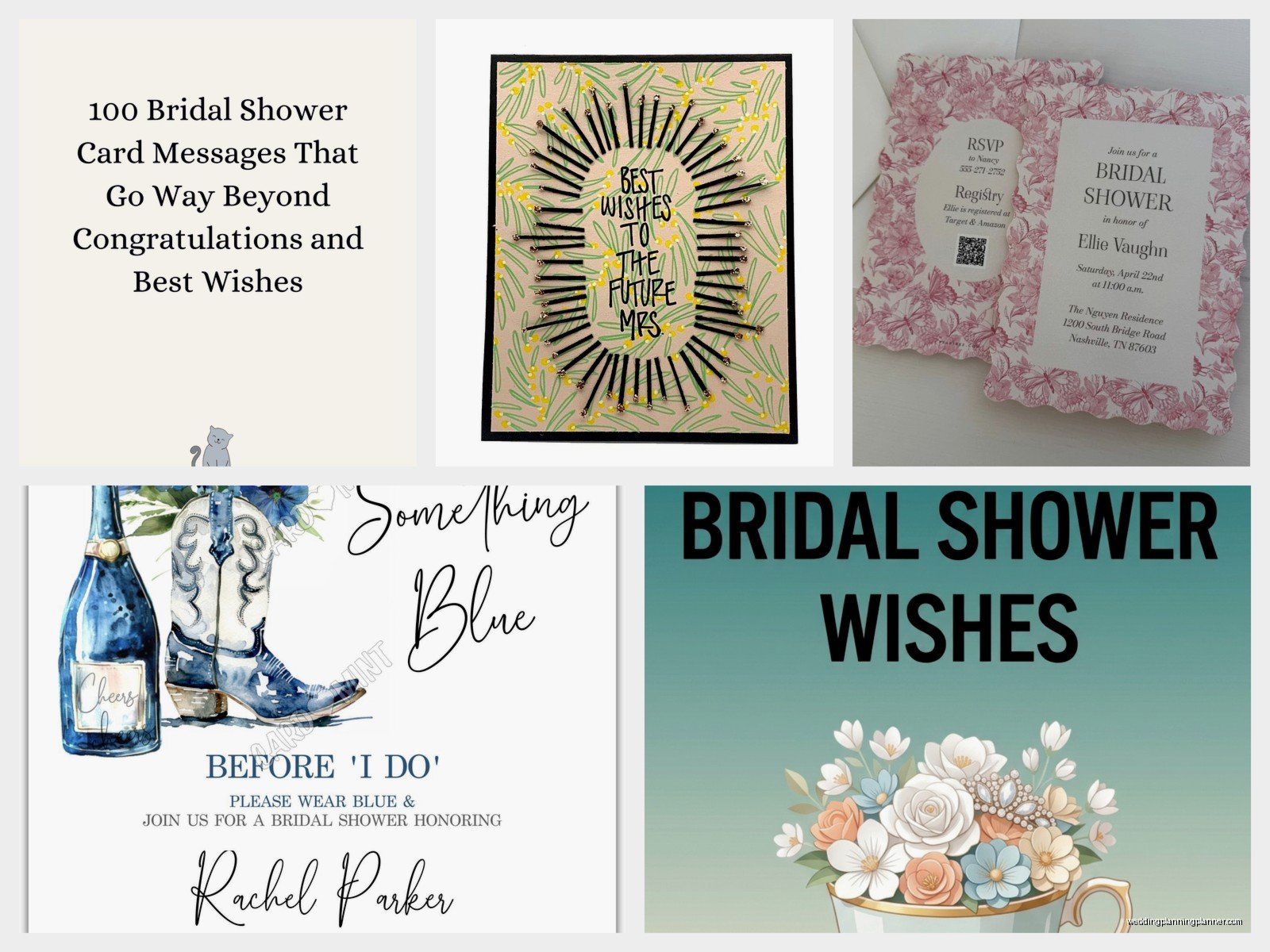
If you do include a photo, make sure it’s high resolution and the colors work with your design. I once had someone try to use a dark photo on a dark background and you literally could not see the bride’s face.
Wording That Covers Everything
The words on your invitation matter just as much as how it looks and people forget this constantly. You need to be clear but also set the right tone.
Basic info that has to be there:
- Who the shower is for (obviously)
- Who’s hosting
- Date and time
- Full address with apartment numbers if relevant
- RSVP deadline and method
- Registry information or gift preferences
- Dress code if there is one
For wording style you can go traditional like “Please join us for a bridal shower celebrating…” or more casual like “Let’s shower Katie with love before she says I do!” Just make sure it matches the overall invitation design.
If it’s a surprise shower you need to make that VERY clear, maybe even in a different color or bold text. Same if there’s a specific theme where guests need to bring something or dress a certain way.
Printing and Paper Options
If you’re going the printed route, paper quality makes a huge difference in how expensive and professional your invitations look. Cardstock is standard – you want at least 80lb cover weight, preferably 100lb.
Matte finish is classic and elegant, doesn’t show fingerprints. Glossy can look really vibrant and modern but it’s more casual feeling. Textured paper like linen or felt adds a luxe touch but costs more obviously.
Printing methods from cheapest to most expensive: digital printing (what most online services use), thermography (raised printing that looks fancy), letterpress (pressed into thick paper, super elegant), foil stamping (metallic details). For most bridal showers digital printing is totally fine and looks great if the design is good.
You can print these yourself if you have a good printer but honestly the time and stress usually isn’t worth the money you save unless you’re only doing like 15 invitations. Places like Minted, Zazzle, Vistaprint all have easy templates and decent quality.
Envelope Situations
Don’t forget about the envelope because that’s the first thing people see. It should coordinate with your invitation but doesn’t have to match exactly.
White or cream envelopes are always safe. Colored envelopes that match your invitation colors look really pulled together. You can get envelope liners which are those decorative papers inside the envelope – they’re pretty but add cost and assembly time.
Address printing or calligraphy makes everything look more formal. You can hire a calligrapher, use an online service, print labels, or just hand write them neatly. My cat actually knocked over ink on a whole stack of addressed envelopes once and I had to redo them at midnight, so maybe keep pets away from your workspace.
If you’re doing a unique invitation shape remember you need matching envelopes which sometimes have to be custom ordered.
Timing and Quantity
Send bridal shower invitations 6-8 weeks before the event, or 8-10 weeks if it’s during busy season or requires travel. You need time for people to RSVP and make plans.
For quantity, order extras. I always tell people to get at least 10-15 more than their guest count because you’ll mess some up, forget people, or want to keep some as mementos. If you’re doing printed invitations the cost difference between 50 and 65 is usually pretty small.
Budget-Friendly Design Tricks
You can make gorgeous invitations without spending a fortune if you’re strategic about it. Canva has tons of templates you can customize and they look professional if you don’t go overboard with the editing. You can design there and then download to print wherever you want.
Single-sided printing instead of double-sided saves money. Skipping fancy finishes like foil or embossing obviously costs less but your design can still look elevated with good color choices and layout.
Standard sizes (5×7 is most common) are cheaper than custom sizes for both printing and mailing. Rectangular shapes are cheaper than square or circular.
If you’re crafty you can add hand-done elements to otherwise simple invitations – tie a ribbon around them, add a wax seal, attach a small charm. This makes them feel custom without professional printing costs.
Matching Suite Pieces
Some people want the invitation to coordinate with other shower items and honestly this can look really cohesive or it can be overkill depending on how you do it. Matching thank you cards for the bride are actually useful. Matching signs or decorations for the shower itself can tie everything together but isn’t necessary.
If you’re creating a whole suite you want consistent colors, fonts, and design elements across everything but they don’t all have to be identical. Like the invitation might have a full floral border while the thank you cards just have a small floral accent in the corner.
Common Mistakes to Avoid
Too much information crammed on there – if you need to include a lot of details consider a separate details card or direct people to a website.
Forgetting to proofread and then printing 75 invitations with the wrong date or a typo. Always have at least two other people read it before you order.
Not considering readability – light text on light backgrounds, tiny font sizes, low contrast combinations. If you have to squint to read it, your guests will too and they’ll be annoyed.
Waiting too long to order and then panicking about rush shipping costs or having to pick whatever’s available instead of what you actually want.
Ignoring the bride’s preferences because you think your design idea is better – it’s her shower, not yours, even if you think sage green is prettier than the millennial pink she wants.
Not thinking about assembly time if you’re doing anything fancy with ribbons or layers or wax seals. That stuff takes forever when you’re doing 60 invitations, trust me. I learned that one while watching an entire season of a show I wasn’t even interested in because I needed something on in the background while I tied tiny bows for three hours straight.