
Planning Guides, Style Guide
Wedding Planning Details: Complete Guide
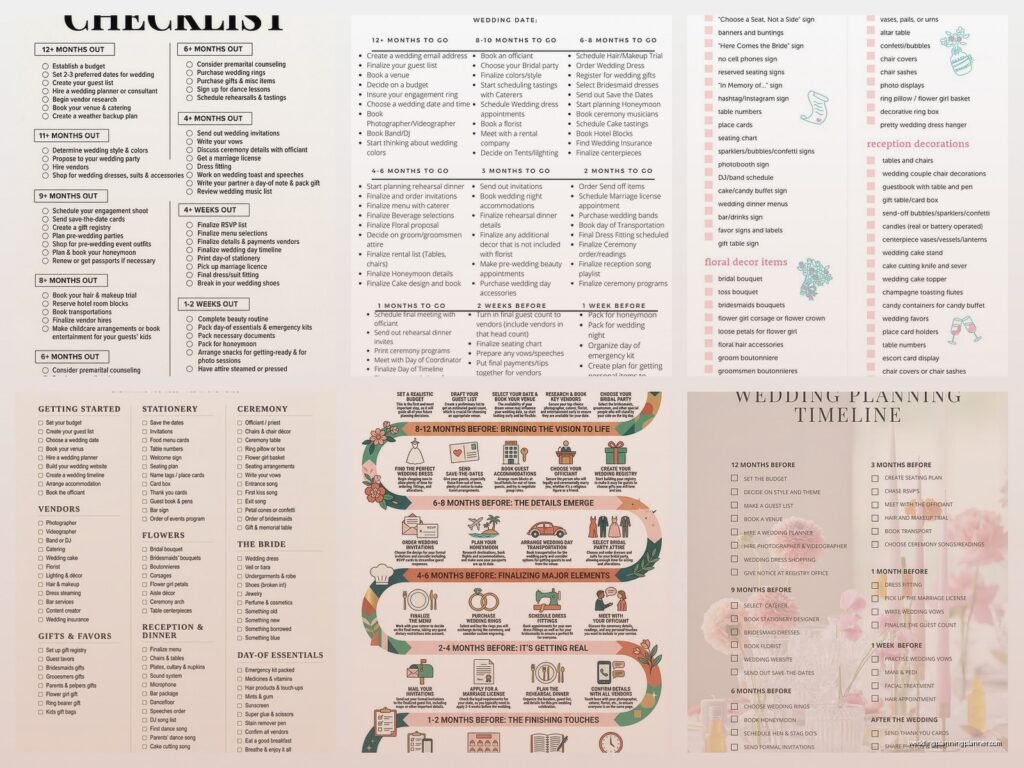
May
Okay so wedding planning is basically a giant checklist on steroids
First thing you gotta know is that most couples start planning about 12-15 months before the wedding date. Some people do it in 6 months and honestly it’s doable but you’ll be stressed. I had this couple in spring 2023 who tried to plan everything in 4 months and they made it work but the bride called me crying like three times because vendors were booked and she felt like she was settling for second choices everywhere.
The venue situation comes first because everything else depends on it
You can’t really book other stuff until you know where and when the wedding is happening. Popular venues book up 12-18 months in advance especially if you want a Saturday in summer or fall. I always tell people to tour at least 3-4 venues before deciding because what looks good on Instagram might have terrible lighting in person or the coordinator might be… well, let me just say I’ve worked with some venue coordinators who made my job way harder than it needed to be.
When you’re touring venues, bring a checklist. Ask about:
- What’s included in the rental fee (tables, chairs, linens, setup/cleanup)
- Is there an in-house catering requirement or can you bring your own
- What time can vendors access the space for setup
- Where’s the bridal suite and is it actually nice or just a storage closet with a mirror
- Parking situation for guests
- Backup plan if it rains (for outdoor venues)
- Are there noise restrictions or curfews
- How many events do they book per day because trust me you don’t want to be rushed out
The budget conversation nobody wants to have but you have to
Figure out your actual budget before you start looking at anything. And I mean the real number, not the “in a perfect world” number. The average wedding in the US is around $30,000 but that varies wildly depending on location and guest count. I’ve planned weddings for $8,000 and weddings for $150,000.
Here’s roughly how the budget typically breaks down:
- Venue and catering: 40-50%
- Photography and videography: 10-15%
- Flowers and decor: 8-10%
- Music/entertainment: 8-10%
- Attire: 8-10%
- Invitations and paper goods: 2-3%
- Miscellaneous (favors, transportation, etc): 5-8%
One thing that really annoys me is when vendors aren’t upfront about pricing on their websites. Like I get that every wedding is different but give me a starting range at least so I’m not wasting everyone’s time if you’re $5,000 over budget.
Picking your wedding party and then managing them
Choose people who you actually want standing next to you, not people you feel obligated to include. I’ve seen so many situations where someone picks a bridesmaid because they were in their wedding and then that person is difficult the entire time or… actually one time in summer 2021 I had a maid of honor who just stopped responding to messages three months before the wedding and the bride had to demote her which was super awkward.
Once you have your wedding party, communicate expectations clearly. Tell them:
- What they’re paying for (dress/tux, shoes, hair/makeup, travel)
- What events they need to attend (engagement party, shower, bachelor/bachelorette, rehearsal dinner, wedding)
- When you need them available for dress fittings or suit rentals
- If you expect them to help with any DIY projects
The vendor booking process is gonna take up most of your planning time
Photographer and videographer
Book these early because good ones get snatched up fast. Look at full wedding galleries, not just the highlight reel on their Instagram. You want to see how they handle different lighting situations and if their style is consistent. Meet them in person or on video call because you’ll be spending the entire day with this person and if their personality clashes with yours it’ll show in the photos.
Ask about turnaround time for getting photos back. Some photographers take 8-12 weeks which feels like forever when you’re excited to see your pictures. Also clarify what’s included – how many hours of coverage, how many photographers, are engagement photos included, do you get all the edited images or just a selection.
Catering and cake
Do the tasting. Even if you think you know what you want, do the tasting. I’ve had couples skip it and then be disappointed on the wedding day. Most caterers offer tastings for free or a small fee and it’s worth it.
Think about dietary restrictions for your guests. You don’t need to accommodate every possible preference but have at least one vegetarian option and ask about common allergies. I always include a line on the RSVP card for guests to note dietary restrictions.
For the cake, you might be surprised how expensive wedding cakes are. A lot of couples are doing smaller cutting cakes now and then serving sheet cake to guests from the back, which cuts costs significantly. Or doing dessert bars with cookies and cupcakes instead of a traditional cake.
Flowers and decor
This is where costs can spiral out of control real fast. Flowers are expensive, especially if you want peonies in November or something that’s out of season. Be flexible with your florist about substitutions and listen when they tell you what’s in season.
You need flowers for: bridal bouquet, bridesmaids bouquets, boutonnieres, corsages, ceremony arrangements, centerpieces, maybe cake flowers or head table arrangements. That adds up quick. Consider using more greenery and less actual flowers to save money, or focus your flower budget on the bridal bouquet and centerpieces and skip some of the other stuff.
My cat knocked over a sample centerpiece I had sitting on my desk once and I just… anyway, when you’re thinking about centerpieces, make sure they’re either really low or really tall so guests can see each other across the table. Nothing worse than trying to have a conversation through a giant flower arrangement.
Music and entertainment
DJ versus live band is a personal choice. Bands are usually more expensive but create a different energy. DJs are more versatile and can play any song you want. Either way, meet with them beforehand and go over your must-play and do-not-play lists.
Give them a timeline for the reception so they know when to do the first dance, cake cutting, bouquet toss, whatever events you’re including. A good DJ or bandleader will also serve as an MC and keep things moving along.
The paper goods and invitation timeline
Okay this is my specialty so I have opinions. Save-the-dates should go out 6-8 months before the wedding, especially if you’re having a destination wedding or getting married during a holiday weekend. Formal invitations go out 8-10 weeks before the wedding.
Your invitation suite can include:
- The main invitation
- RSVP card with envelope
- Reception card (if ceremony and reception are at different locations)
- Accommodations card with hotel room blocks
- Weekend events card (if you have multiple events)
- Directions or map card
You don’t need all of these. Honestly a lot of this info can go on a wedding website now. But if you’re having a formal wedding, the traditional paper suite is still expected.
Order extra invitations because you’ll forget someone or mess up addressing or want to keep extras as keepsakes. I usually tell couples to order 10-15 extra.
The addressing situation
Outer envelopes should be formal with full names and titles. Inner envelopes can be less formal. If you’re inviting someone with a plus-one, write their name on the outer envelope and “and Guest” on the inner envelope. If you’re NOT giving someone a plus-one, only write their name. This is how you indicate who’s invited without having to explain it to everyone.
For families, if you’re inviting the kids, list them by name on the inner envelope. If you’re not inviting kids, just put the parents’ names. Some people still won’t get the hint and you’ll have to make phone calls but that’s… that’s just gonna happen.
Day-of timeline and coordination
Create a detailed timeline for the wedding day and share it with all your vendors. I’m talking down to 15-minute increments. When does hair and makeup start, when does the photographer arrive, when do you need to leave for the ceremony, when’s the ceremony, cocktail hour, reception entrance, first dance, dinner service, toasts, cake cutting, last dance.
Hire a day-of coordinator even if you’ve planned everything yourself. You do not want to be dealing with vendor questions or problems on your wedding day. A coordinator handles all of that so you can actually enjoy the day. This is not the place to save money by making your organized friend do it – your friends should be guests, not working.
The rehearsal
Schedule the rehearsal for the night before or two nights before the wedding. Keep it short – 30-45 minutes max. You’re just walking through the processional and recessional order and making sure everyone knows where to stand. Then go have dinner and drinks with your wedding party and close family.
Emergency kit for the wedding day
Someone (your coordinator or a bridesmaid) needs to have a kit with:
- Safety pins
- Fashion tape
- Stain remover pen
- Band-aids and blister pads
- Pain reliever
- Antacids
- Breath mints
- Tissues
- Bobby pins and hair ties
- Clear nail polish (for stocking runs)
- Sewing kit
- Phone chargers
- Snacks because you probably won’t eat much
Little details that people forget about
Marriage license – figure out the requirements for your state or country. Some places have waiting periods between when you apply and when it’s valid. Some licenses expire if you don’t use them within a certain timeframe. Don’t forget to actually return the signed license after the wedding or you’re not legally married.
Vendor meals – if your vendors are there during dinner service, you need to feed them. It’s usually in their contracts. Ask your caterer about vendor meals which are typically cheaper than guest meals.
Tipping – budget for tips for your vendors. General guidelines are 15-20% for catering staff, $50-200 for the DJ or band, $50-200 for photographers, $50-100 for hair and makeup artists, $50-100 for the coordinator. Put cash in envelopes ahead of time and have someone distribute them at the end of the night.
Transportation – if your ceremony and reception are at different locations, consider providing transportation for guests. At minimum, make sure you have transportation arranged for yourselves and the wedding party.
Hotel room blocks – reserve blocks at 2-3 hotels at different price points for out-of-town guests. Do this about 6-9 months before the wedding. Most hotels will hold the rooms without a deposit and release any unbooked rooms 30 days before the wedding.
What you’re wearing the day after – pack an outfit for the morning after or for traveling if you’re leaving right away for your honeymoon. I cannot tell you how many brides have told me they forgot about this and ended up wearing their rehearsal dinner dress again or buying something at the hotel gift shop.
Managing family dynamics and expectations
This is honestly the hardest part of wedding planning for most people. Someone’s gonna have opinions about everything – who’s invited, what you’re serving, what you’re wearing, what music you’re playing, whether you’re doing a bouquet toss or not.
Set boundaries early. If someone is contributing money, have a clear conversation about what input that gives them. If they’re not paying, their opinion is just that – an opinion. You can listen politely and then do what you want.
Divorced parents and seating arrangements are always tricky. Talk to them ahead of time about what they’re comfortable with. Maybe they can sit at different tables with their own families. Maybe one walks you down the aisle partway and then the other takes over. There’s no perfect solution but communication helps.
The guest list battle
Start with a realistic number based on your venue capacity and budget. Then make your list in tiers – must invite, would like to invite, only if space allows. Be consistent with your rules – if you’re not inviting coworkers, don’t invite any coworkers. If you’re not inviting kids, don’t make exceptions.
You’ll get pushback. People will ask if they can bring their new boyfriend you’ve never met or their kids when you’ve said no kids. Practice saying “We’re keeping the wedding small and intimate” or “We’re limited by our venue capacity” and then don’t budge unless you really want to.
The rule about if you haven’t talked to someone in over a year you probably don’t need to invite them to your wedding is… actually a pretty good rule. Your wedding isn’t an obligation to invite every distant relative or old friend you’ve lost touch with.
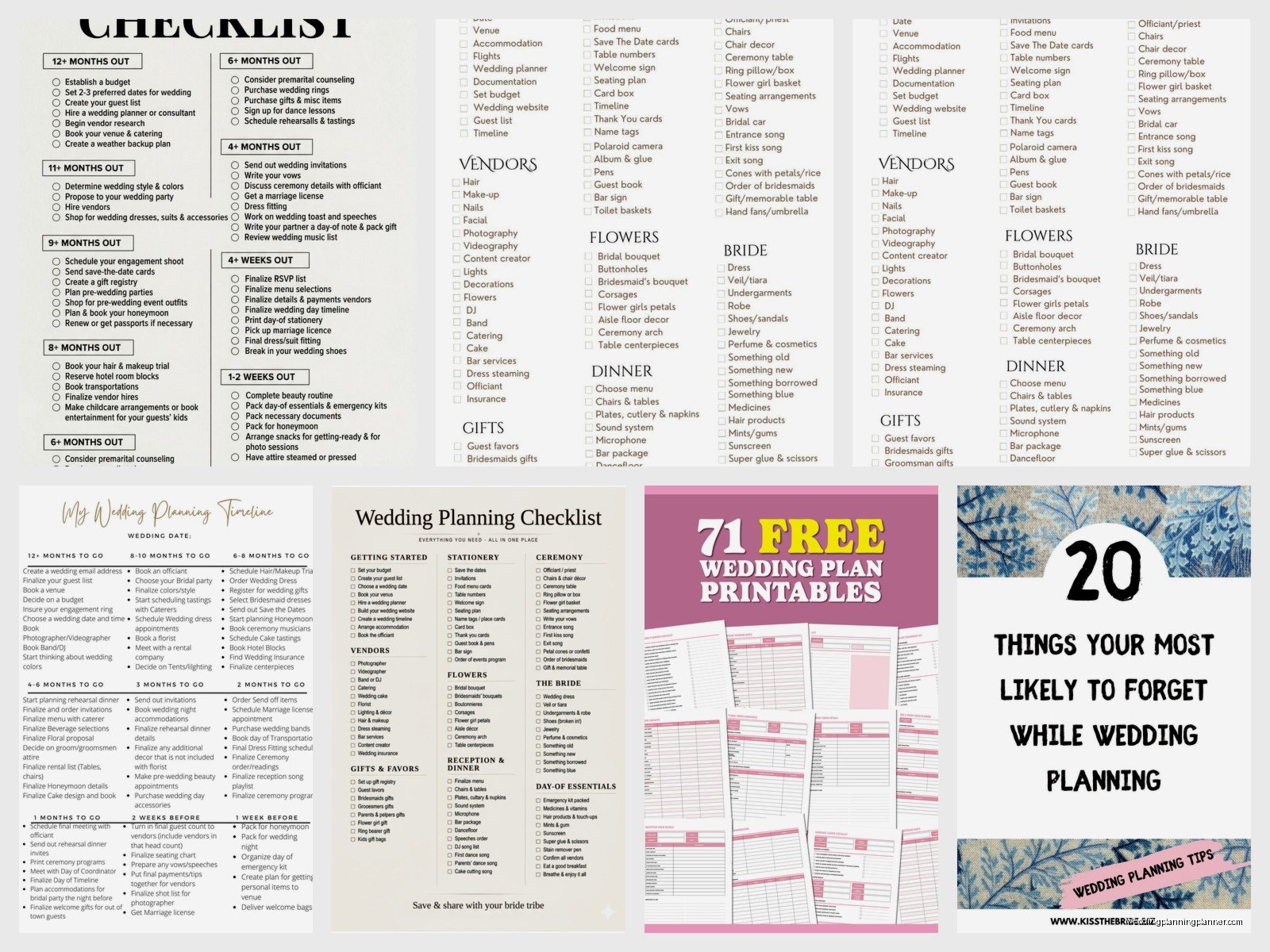
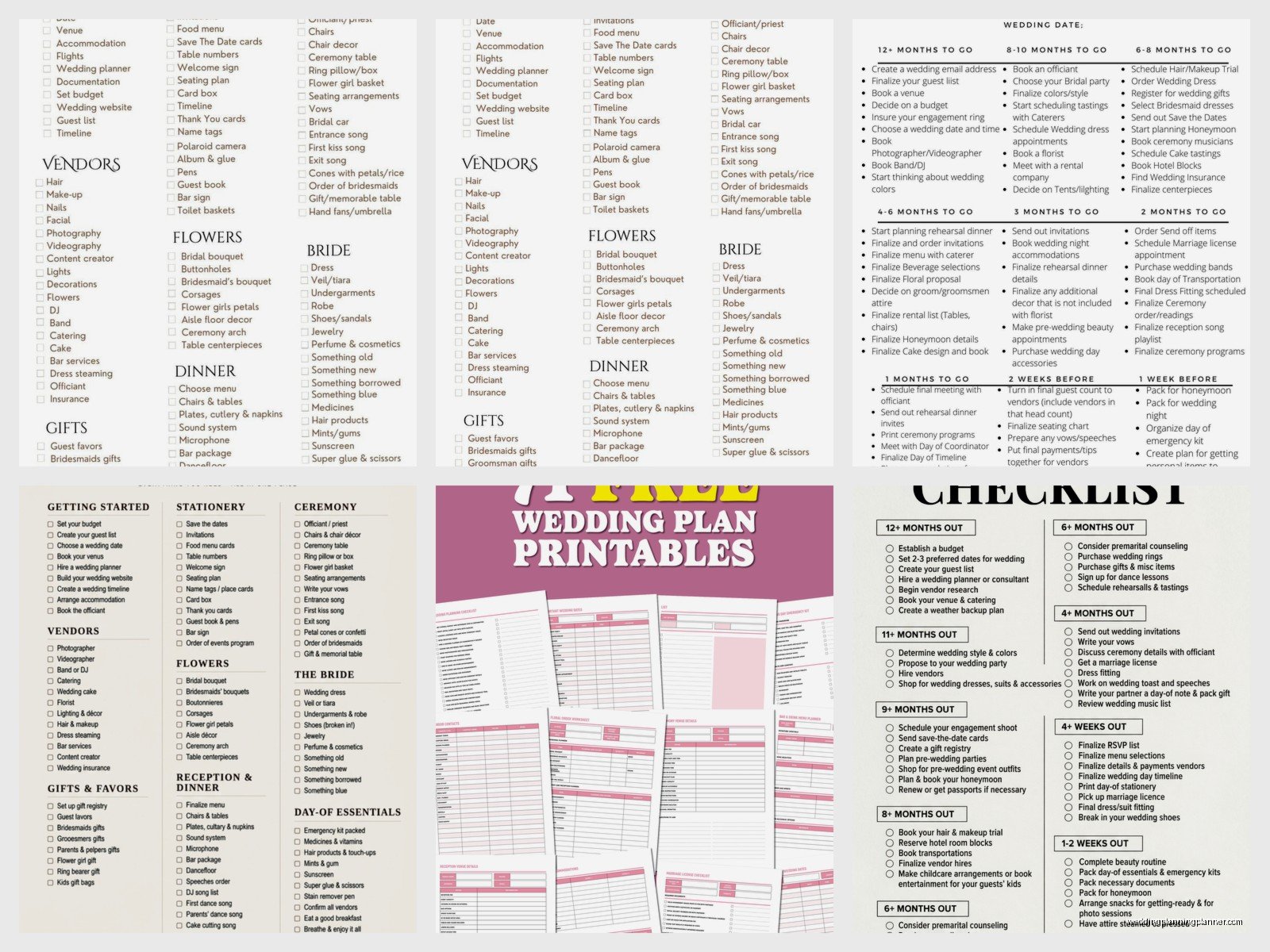
Final month checklist
One month before, you should be finalizing everything:
- Confirm final guest count with caterer
- Make seating chart and order escort cards or seating chart display
- Finalize timeline with all vendors
- Break in your wedding shoes
- Final dress fitting
- Apply for marriage license
- Write your vows if you’re doing personal vows
- Assign someone to handle vendor tips and final payments
- Pack for honeymoon
- Arrange for someone to return rental items after the wedding
- Write thank you notes for any gifts you’ve already received
Two weeks before, follow up with anyone who hasn’t RSVP’d. Some people are just terrible at responding and you’ll need to track them down.
One week before, try to relax. I know that sounds impossible but everything that can be done is done. Get a massage, watch trashy TV, hang out with your partner and remember why you’re doing this in the first place. The wedding is one day but the marriage is forever and all that.
Oh and drink water. Everyone forgets to drink water on the wedding day and then wonders why they feel terrible. Assign someone to literally hand you water throughout the day.