Planning Guides, Style Guide
Assigned Seating Wedding: Complete Guide
May
Okay So First Things First About Assigned Seating
Assigned seating is basically when you tell every single guest exactly where to sit at your reception, not just which table but which specific chair. And honestly? It’s kinda the most stressful part of wedding planning that nobody warns you about until you’re knee-deep in a spreadsheet at 2am wondering why Uncle Bob can’t sit near Aunt Linda because of something that happened in 1987.
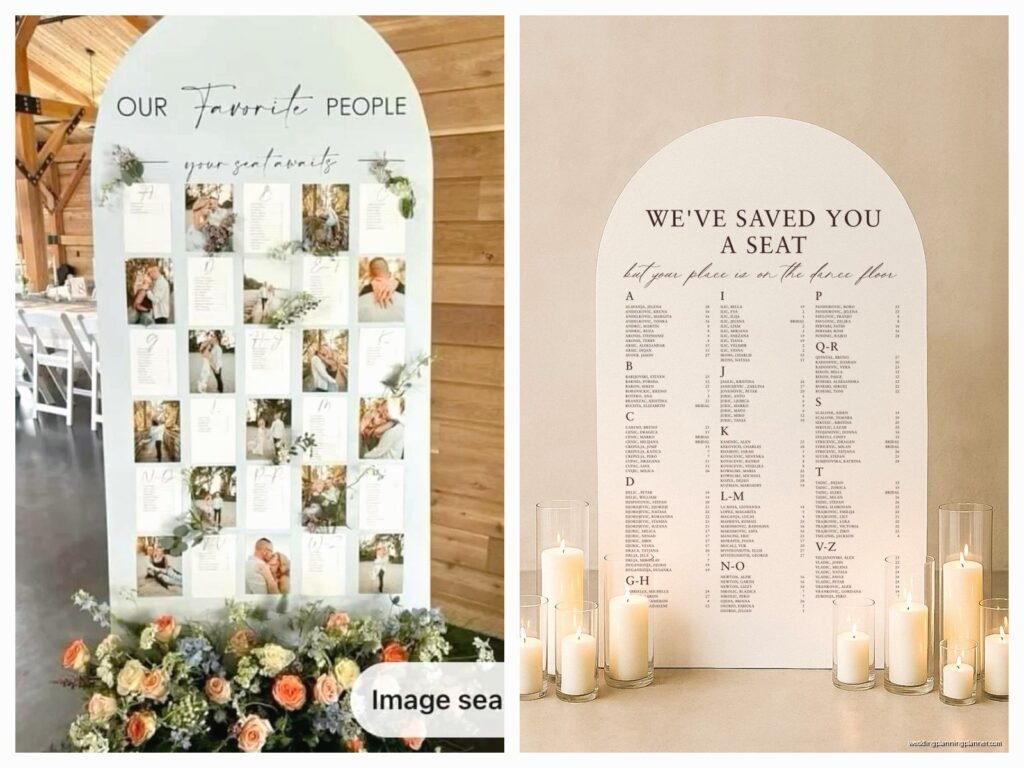
There are like three main ways to do this: escort cards that tell people their table number, a seating chart display that lists everyone’s names with their assignments, or place cards actually at each seat with their name on it. Most couples do a combo – escort cards at the entrance plus place cards at seats. I personally think just doing escort cards to tables and letting people choose their own seat at that table is way easier, but some couples really want that control and I get it.
When You Actually Need Assigned Seating vs When You Don’t
Real talk: if you’re having under 50 people, you probably don’t need assigned seating. Just let people sit where they want. But once you hit that 75-100 person mark, it gets chaotic real fast without assignments. I watched a wedding in spring 2023 where they didn’t do assignments for 120 people and it was literally like musical chairs for fifteen minutes while the salads got cold and the photographer was just standing there waiting to shoot the first dance.
You definitely need it if you’re having a plated dinner with meal choices because the catering staff needs to know who ordered what. You also probably want it if you have divorced parents, family drama, or that one group of friends who will absolutely monopolize the best table if left to their own devices.
Starting Your Seating Chart Way Earlier Than You Think
So you’re gonna want to start thinking about this like 3-4 weeks before the wedding, but you can’t finalize it until after your RSVP deadline obviously. What annoys me SO much is when couples wait until literally 5 days before and then they’re stressed and making bad decisions because they’re rushed. Like, you need time to think through this.
First step is making a list of all your confirmed guests. I use a spreadsheet but you can use those online seating chart tools like AllSeated or Wedding Wire’s thing. List every single person including plus-ones and children. Then start making groups – family, college friends, work friends, parents’ friends, etc.
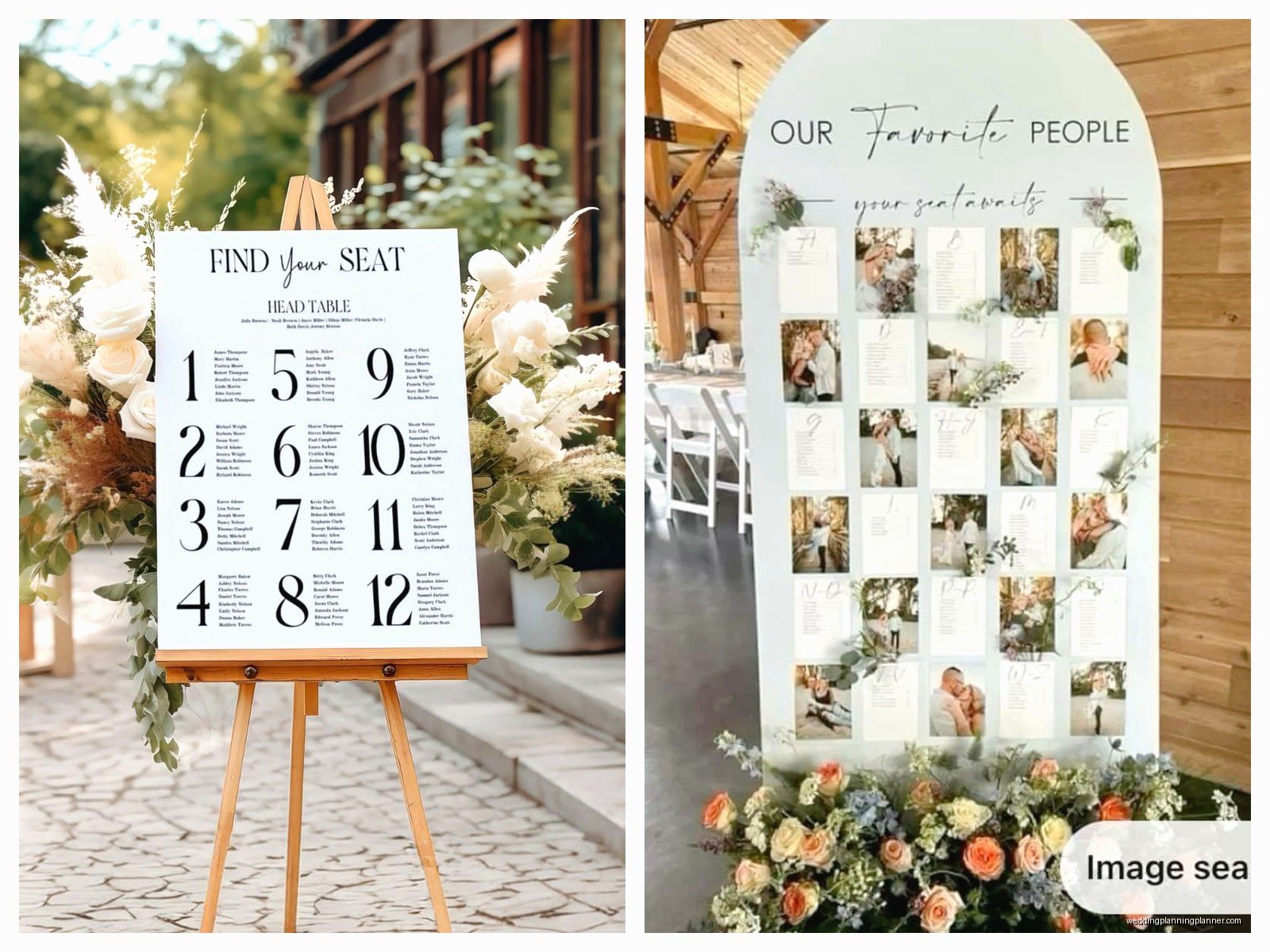
Figure Out Your Table Sizes First
You gotta know what you’re working with. Most venues have round tables that seat 8-10 people. Some have long rectangular tables. Ask your venue coordinator or caterer exactly how many tables you’ll have and what size. This is crucial because you can’t seat 12 people at a table that fits 10, and having 6 people at a 10-person table looks weird and empty.
Do the math: if you have 150 guests and tables seat 10, that’s 15 tables. But maybe you want a sweetheart table just for you two, or a head table with your wedding party, so that changes things.
The Strategy Part That Nobody Tells You
Okay here’s what I learned after doing this for literally hundreds of weddings. You want to start with your VIP tables – parents, grandparents, wedding party if they’re not at a head table with you. Put these close to where you’ll be sitting and near the dance floor usually.
Then do your “problem” tables. And every wedding has them. These are the divorced parents who can’t be near each other, the cousin who drinks too much and needs to be far from the open bar, your college friends who are gonna be loud (put them away from elderly relatives). Get these sorted early because they’re gonna dictate where everyone else goes.
One thing I do that really helps – I make little paper circles or use post-it notes with guest names and physically move them around on a table layout. It sounds old school but it’s way easier than clicking around on a computer screen. My cat knocked over my entire setup once while I was working on a client’s chart and I had to start over, which was… not great.
Mixing Friend Groups or Keeping Them Together
This is where it gets tricky and kinda depends on your crowd. Some couples want to mix people up so everyone mingles. Sounds nice in theory but honestly? Most guests just want to sit with people they know and feel comfortable with. If you put your college roommate at a table with your work colleagues and nobody else she knows, she’s gonna have a less fun time.
That said, you can do some strategic mixing. Put your outgoing, friendly guests with quieter groups to help conversation flow. Seat people by common interests – all the parents with young kids together, all the people who love hiking, whatever. I had this wedding where the bride seated people by their favorite TV shows and it actually worked because everyone had conversation starters.
The Actual Logistics of Making It Happen
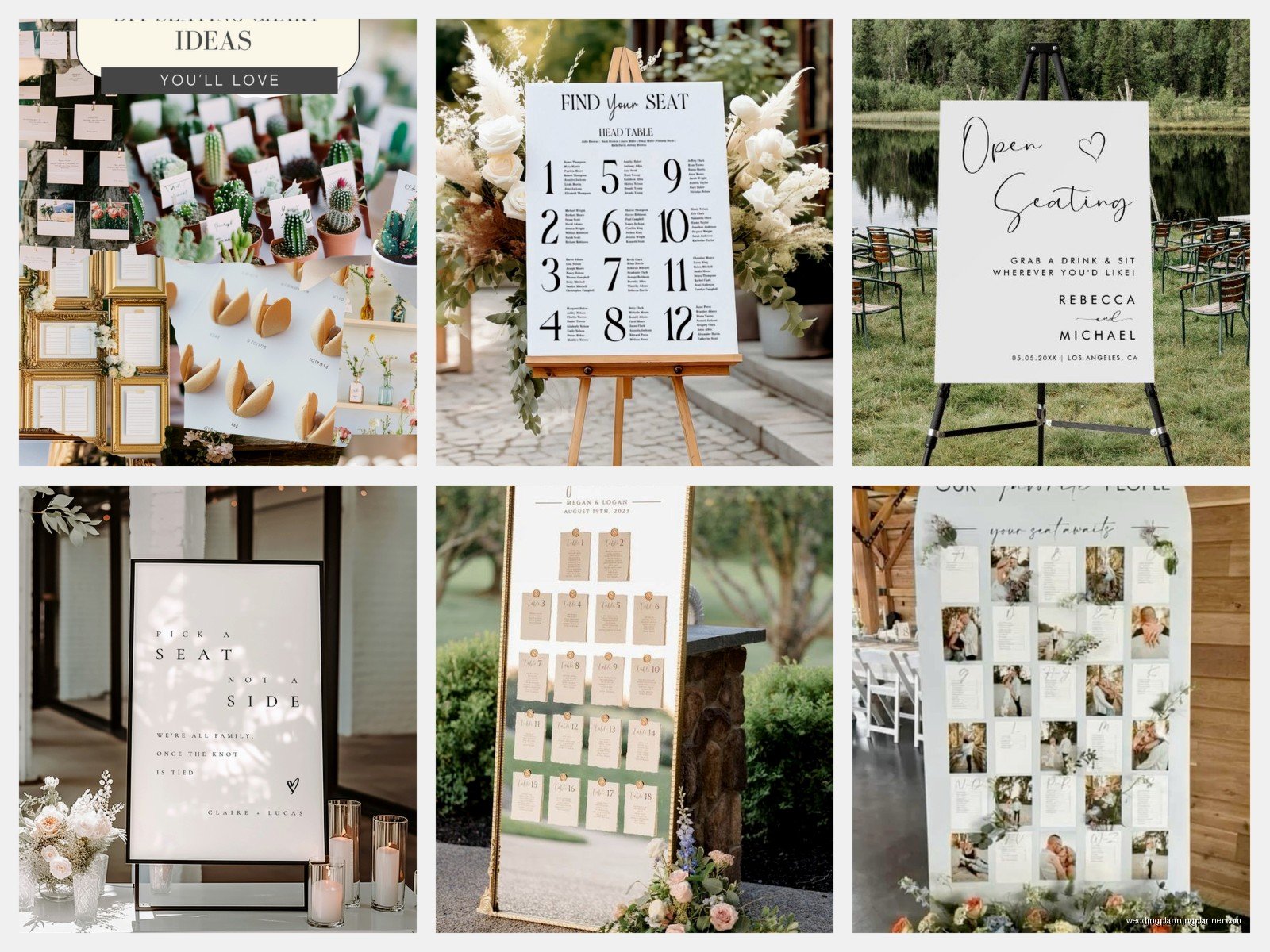
Once you’ve got your chart figured out, you need to communicate it to guests. Like I said earlier, most people do escort cards. These are usually on a table near the entrance with each guest’s name and their table number. You can arrange them alphabetically or get creative with the display – hanging them on a frame, putting them in a vintage card catalog, whatever matches your wedding aesthetic.
Then at each table you can have place cards showing exactly where each person sits, or you can skip this step and let people choose their own seat at their assigned table. I prefer the latter because it’s less work and people like having that tiny bit of choice.
Working With Your Caterers and Venue
You need to give your caterer a detailed seating chart if you’re doing meal choices. They need to know that Table 4, Seat 3 is John Smith who ordered the chicken. This is usually due like a week before the wedding. Most caterers have their own form for this so ask them specifically what they need.
Your venue coordinator will also need a copy of the seating chart so they can set up place cards if you’re using them, and so they know where to seat VIPs if there’s any confusion during the reception.
Common Problems You’re Gonna Run Into
Okay so here are the issues that come up basically every single time. First: uneven numbers. You have 87 guests but tables seat 10. You’re gonna have some tables with 8 or 9 people and that’s fine, just spread them out so it’s not all the small tables in one area.
Second: the plus-ones you don’t know. Your cousin’s new boyfriend, your friend’s girlfriend you’ve never met. Honestly just seat them with people their age or with similar plus-ones who also don’t know anyone. They’ll bond over being outsiders.
Third: kids. Do you do a kids table? Do you seat kids with their parents? For little kids under 8, definitely with parents. For tweens and teens, a kids table can actually be great because they don’t want to sit with adults anyway. Just don’t put it right next to the dance floor speakers or in some corner where nobody can see them.
Fourth: last-minute changes. Someone cancels, someone brings an unexpected guest, whatever. Have your venue coordinator or day-of coordinator handle this. Don’t try to fix it yourself on your wedding day.
The Head Table Situation
So you’ve got options here. Traditional head table is just the wedding party all in a row facing the room. Problem: their dates are seated elsewhere which kinda sucks for them. Sweetheart table is just you two alone, which is romantic but can feel isolating. King’s table is a long table with you two in the middle and wedding party plus their dates, which I think is the best option if you have space.
Or you can skip the head table entirely and just sit at a regular round table with your parents or closest friends. There’s no rule that says you have to sit at a special table, though it does make it easier for guests to find you for toasts and stuff.
Design and Stationery Stuff
Since I do stationery consulting this is where I get kinda particular. Your escort cards and place cards should match your wedding vibe but they also need to be readable. I’ve seen so many couples choose this gorgeous calligraphy font that nobody can actually read and then guests can’t find their seats. Use a clear font, make sure there’s good contrast between the text and background.
For escort cards, include the guest’s full name (or at least first name and last initial if you have multiple Johns) and the table number/name. Some couples name tables instead of numbering them – like cities you’ve visited together or favorite books. That’s cute but make sure each table has a clear sign with its name so people can actually find it.
Place cards at seats just need first names usually, unless you have duplicates. You can get creative with these – write them on leaves, use little picture frames, tie them to favors, whatever.
Digital Tools That Actually Help
Okay so I mentioned AllSeated earlier but there are a bunch of these. WeddingWire has a free seating chart tool. TopTablePlanner is another one. These let you drag and drop guest names onto table layouts and it does the math for you on how many people per table.
But honestly? A spreadsheet works fine too. Just make columns for guest name, table number, meal choice, and any notes. Sort it by table number and boom, you’ve got your chart.
What About Cocktail Hour Seating
Usually cocktail hour is open seating or standing room with some high tops scattered around. You don’t need assigned seating for this part. Some couples do reserve a few seats for elderly guests or people who can’t stand for long periods, which is thoughtful.
Things That Don’t Actually Matter As Much As You Think
People stress about seating charts SO much and honestly some of it doesn’t matter that much. Like, if you put someone at table 8 instead of table 7, they’re gonna be fine. If you accidentally seat your work friend near your cousin instead of near your college friend, everyone will survive.
What matters more is avoiding obvious problems – don’t seat your divorced parents together, don’t put the recovering alcoholic right next to the bar, don’t stick your elderly grandmother at the table farthest from the bathroom. Use common sense on the big stuff and don’t sweat the small details.
Also nobody is gonna remember where they sat except maybe if it was really bad or really good. I’ve had brides spend hours agonizing over whether Sarah should sit next to Jessica or Emily and then at the wedding everyone just moves around and talks to different tables anyway. Once dancing starts, the seating chart barely matters because people are up and mingling.
Timeline for Getting This Done
Here’s roughly when to do what. Eight weeks before: finalize your guest list and send RSVPs. Four weeks before: RSVP deadline, start planning seating chart. Three weeks before: finish draft of seating chart. Two weeks before: make any adjustments, order or make your escort cards and place cards. One week before: finalize everything and send to caterer and venue. Few days before: make any last-minute changes for cancellations or additions.
Don’t leave this until the week of your wedding because you will be dealing with a million other things and you won’t have the mental energy to think through who should sit where and… actually I had a bride in summer 2021 who didn’t finalize her seating chart until the morning of her wedding and she was literally texting me table assignments while getting her hair done, and it was just unnecessary stress that could’ve been avoided.
Getting Help From Your People
You don’t have to do this alone. Your partner should obviously be involved, and your parents might have input especially about their side of the family. Your wedding party can help too – they know which college friends get along and which ones had a falling out.
Just don’t ask for too many opinions because then you’ll get conflicting advice and it’ll be harder to decide. Keep it to like 2-3 key people who know your guests well.
Backup Plans Because Things Go Wrong
Always have extra place cards or escort cards because someone will take the wrong one or one will blow away if you’re outside or whatever. Have someone (venue coordinator or a bridesmaid) designated to help confused guests find their seats. Bring a copy of your seating chart to the venue even if you already sent one because sometimes things get lost.
And honestly if something goes wrong with seating, it’s not the end of the world. I’ve seen tables get set up wrong, place cards disappear, guests sit in the wrong spot – it all works out. Nobody’s gonna remember that chaos except you, and even you probably won’t care once you’re married and having fun at your reception.