Planning Guides, Style Guide
Wedding Table Seating: Complete Guide
May
Start With Your Table Count and Shape First
Okay so the biggest mistake I see couples make is they start assigning people to tables before they even know how many tables they’re gonna have or what shape they are. Like seriously just stop. You need to talk to your venue coordinator first and find out exactly what’s available because I’ve seen people create this elaborate seating chart only to find out the venue doesn’t have enough round tables or can only fit 8 people per table instead of 10.
Most venues have a mix of rounds and rectangles. Round tables typically seat 8-10 people comfortably, sometimes you can squeeze 12 but honestly it gets cramped and people’s chairs are basically touching. Rectangular tables can be long farm-style ones that seat like 20+ people or smaller ones that fit 6-8. King’s tables are those super long head tables and they look gorgeous in photos but they’re kinda isolating if you think about it because you can only talk to the people directly next to you.
I had this wedding in spring 2023 where the bride was INSISTENT on all rectangle tables because she saw it on Pinterest, but her guest list was 180 people and the venue could only fit maybe 8 long tables max which meant each table would have like 22 people and that’s just… it doesn’t work for conversation flow at all. We ended up doing a mix and she was annoyed with me for weeks but whatever, the day turned out beautiful.
The Guest List Spreadsheet Is Your Best Friend
You need a spreadsheet. I don’t care if you hate Excel or Google Sheets, you need one. Make columns for: guest name, plus-one status, relationship to bride/groom, any dietary restrictions, any conflicts with other guests, and priority level.
That priority level thing is important because you’re gonna have like your immediate family, your wedding party, your close friends, your work friends, your parents’ friends, distant relatives, and randos you felt obligated to invite. Not everyone needs to be at the “good” tables near the dance floor or head table.
Also note any drama. Like I’m talking Uncle Jerry who got divorced from Aunt Susan and they can’t be within 50 feet of each other, or your college roommate who hooked up with your cousin and it ended badly, or—and this one really annoyed me—parents who insist their young kids MUST sit with them but then also complain that the wedding isn’t kid-friendly enough when little Timmy gets bored during speeches. You can’t win with some people but at least document the issues so you remember.
The Actual Numbers Game
So let’s say you’ve got 150 guests. If you’re using tables of 10, that’s 15 tables. But wait, you probably have a sweetheart table or a head table, so really you’re seating like 140-145 guests at regular tables, which is 14-15 tables. Always round up because underfilled tables look sad and overfilled tables are uncomfortable.
I usually tell couples to plan for about 85-90% attendance when you’re in the early planning stages, but once RSVPs come in you’ll know exactly. Don’t start finalizing your seating chart until like 2 weeks before the wedding because people are flaky and will change their RSVP last minute, I promise you this will happen.
Strategic Table Assignments That Actually Work
Alright so here’s where it gets real. You’re gonna want to group people by how they know you, but not in like a rigid way. I see couples try to do “all college friends at table 5” but then you’ve got 13 college friends and tables only fit 10, so now what?
Think about it more like creating little communities at each table where people have enough in common to chat but aren’t so identical that conversation gets boring. Mix ages a bit. Mix the extroverts with the quieter folks. Don’t put all your single friends at one table and call it the “singles table” because that’s weird and everyone will know what you did.
Family Tables Are The Hardest
Family is where seating charts go to die, I swear. You’ve got divorced parents who may or may not want to sit near each other, step-parents, half-siblings, family friends who are “basically family,” and everyone has an opinion about where they should sit.
My advice is to give immediate family (parents, siblings, grandparents) priority seating close to the head table. Then do extended family tables but try to mix branches of the family tree so it’s not like “all dad’s side over here, all mom’s side over there” because that can feel divisive. Although sometimes that’s exactly what you need to do to avoid drama, so like… use your judgment.
One thing that worked really well at a wedding I did last summer was putting the fun aunts and uncles together at one table even though they were from different sides of the family. They had the best time and were dancing all night. Meanwhile the table of serious business-type relatives was kinda stiff but they seemed happy enough talking about their portfolios or whatever.
The Wedding Party Situation
If you’re doing a sweetheart table (just bride and groom), then your wedding party needs to sit somewhere and they should probably be at good tables. Some couples do a head table with the entire wedding party but then what about their plus-ones? Do the dates sit at a separate table? That’s kinda rude honestly.
I usually suggest seating wedding party members with their dates and maybe some other close friends at tables near the head table or sweetheart table. Like bridesmaids can be split across 2-3 tables if you have a big wedding party, mixed with their partners and your other close friends. They don’t all need to be at one table just because they stood up with you.
Kids and Plus-Ones Make Everything Complicated
Okay so kids. Some couples do a kids table which can be cute if you have like 8-12 kids all around the same age, but if you’ve got a mix of ages from toddlers to teenagers it gets weird. Teenagers definitely don’t want to sit at a kids table and will be mortally embarrassed. Little kids need to be near their parents or they’ll just wander over anyway.
I usually suggest seating families with young children toward the back or side of the reception space, closer to the exit. Not because you’re banishing them but because parents will inevitably need to take kids out for bathroom breaks or if they get fussy, and it’s easier if they’re not walking through the middle of the dance floor. Also some parents appreciate being slightly away from the center of attention.
Plus-ones are another thing. If someone has a serious partner or is engaged/married, obviously that person needs to be included in your count and seated with your guest. But those random plus-ones you gave to single friends? Try to seat them with other friendly, social people so they don’t feel totally out of place. My cat knocked over my coffee while I was working on a seating chart once and it actually made me rethink the whole layout because I had to redo it anyway, and the second version was way better.
The Physical Layout Matters More Than You Think
You can’t just assign tables in a vacuum, you need to think about the actual room layout. Where’s the dance floor? Where’s the head table or sweetheart table? Where are the bathrooms? Where’s the bar? Where are the doors to the kitchen?
Don’t put tables directly in front of the speakers or right next to the band because it’ll be SO loud. Don’t put elderly relatives or people with mobility issues at tables far from the bathrooms. Don’t block emergency exits (venues will actually not allow this). And if there are pillars or weird architectural features, work around them.
I had a venue once with this massive support beam right in the middle of the room and it was just… anyway we had to get creative with table placement so that it didn’t feel like half the room was cut off from the other half. Ended up working out fine but it took like three different floor plan attempts.
Sight Lines Are Real
Everyone should be able to see you during toasts and first dance. That means you gotta think about whether tables are angled right, whether anyone’s back is completely to the head table, whether people can see around centerpieces. Tall centerpieces look gorgeous but if they block views you’ll have guests leaning around them all night trying to see what’s happening.
Also think about the catering flow. Servers need to be able to access all tables easily. If you pack tables too tight or create weird narrow pathways, service will be slow and awkward. Leave at least 3-4 feet between tables for chairs to pull out and people to walk through.
Tools That Actually Help
There are apps for this. AllSeated is pretty good, Wedding Wire has a seating chart tool, and honestly even just using PowerPoint or Keynote with circles representing tables works. You need something visual where you can drag names around because doing this on paper or in your head is gonna make you insane.
Print out your floor plan and put it somewhere you can stare at it for a few days. You’ll notice things you missed. Like oh wait, I put my loud college friends right next to grandma’s table, maybe that’s not ideal. Or hmm, this table only has 7 people and that one has 11, let me shift some folks around.
Also get input from your partner and maybe your parents if they’re helping with the guest list, but don’t ask too many people for opinions because then you’ll get 47 different suggestions and you’ll want to scream. I limit it to like 3 people max who get to weigh in on seating.
Escort Cards vs Seating Charts vs Table Numbers
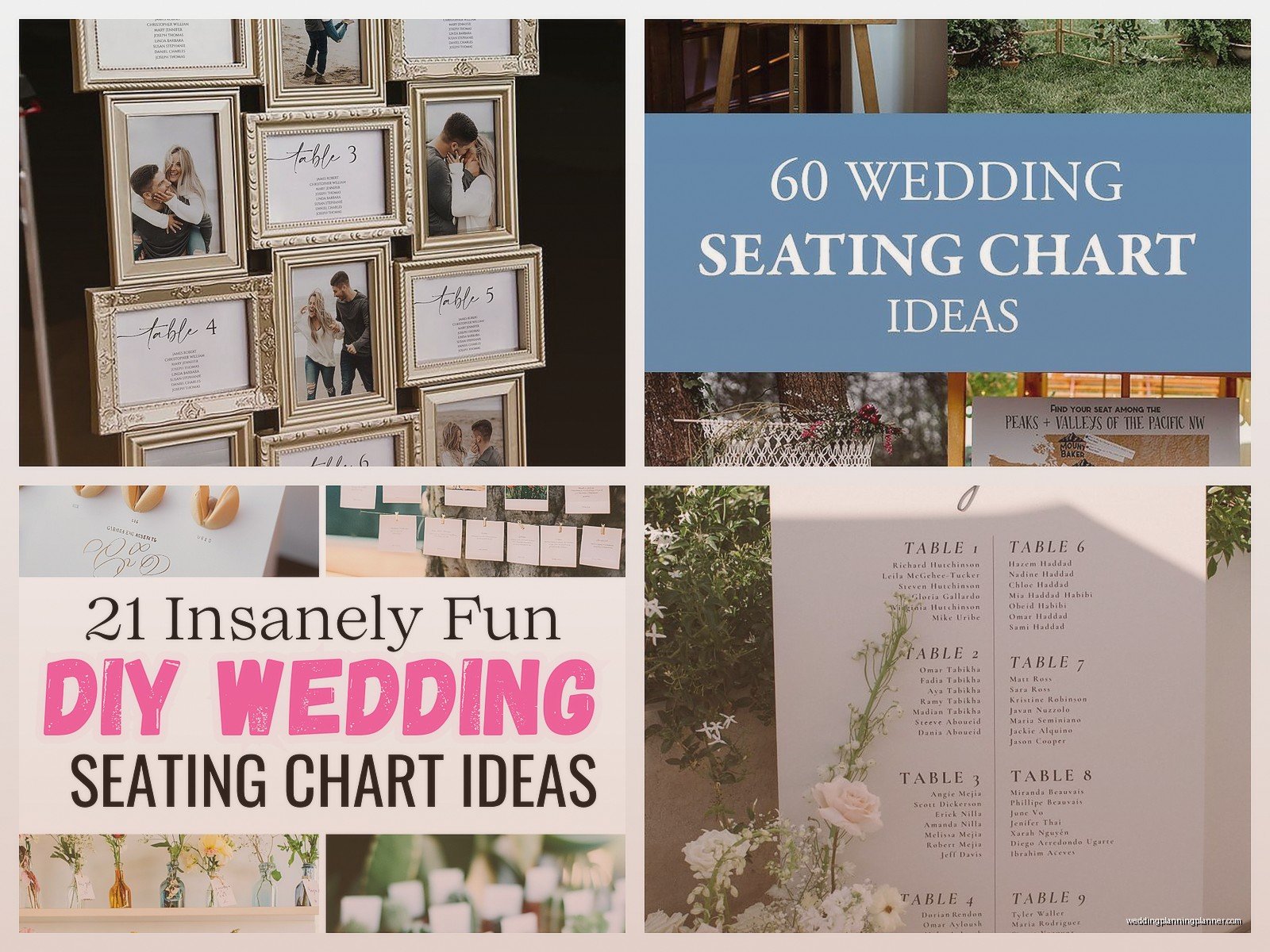
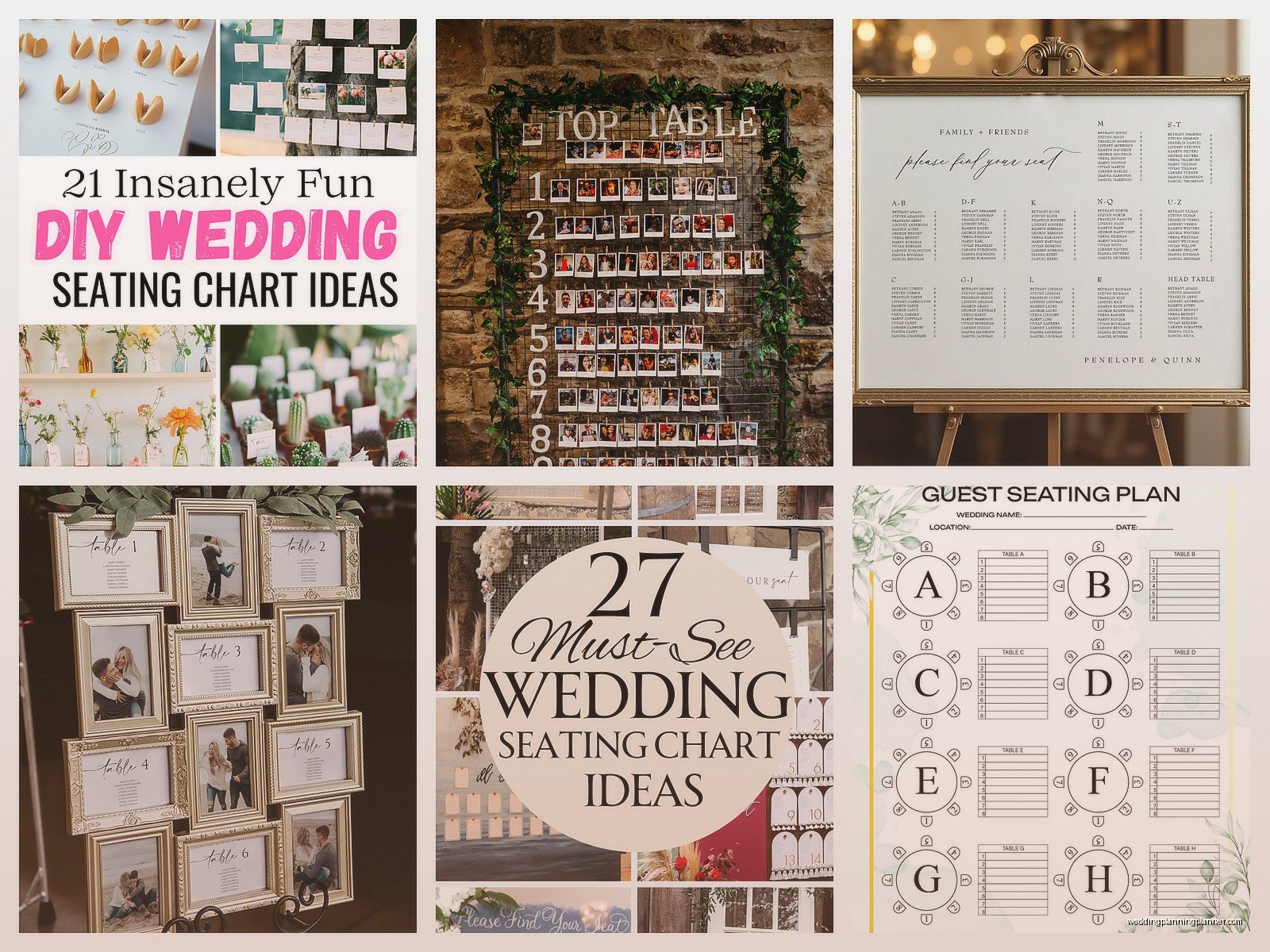
You need a way for guests to find their seats. Escort cards are those little cards (usually at the entrance) that tell each guest which table they’re at. Then you have table numbers or names on the actual tables. Some people do a big seating chart display instead of individual cards, which looks pretty but causes congestion if you have a lot of guests all trying to read it at once.
I prefer escort cards because guests can grab theirs and move along, and you can arrange them alphabetically by last name which is easy for people to find. Get creative with the display—vintage frames, a mirror with calligraphy, hanging tags on a greenery wall, whatever matches your wedding vibe.
Table numbers are standard but table names can be fun if you do them right. Like favorite vacation spots, meaningful addresses, movies you both love. Just make sure they’re obvious and not so obscure that guests are like “wait which table is Fidelio?” (yeah someone did Kubrick film references once and it was confusing).
Last Minute Changes Will Happen
Someone will get sick. Someone will have a family emergency. Someone will bring an unauthorized plus-one despite RSVPing solo. Someone will have beef with another guest that you didn’t know about until the day before. It’s fine, you can adjust.
This is why I always tell couples to finalize the seating chart but keep it slightly flexible. Have your venue coordinator or day-of coordinator ready with a copy so they can handle small shifts if needed. Keep a few extra place settings available just in case.
The most annoying thing that ever happened to me was a mother-of-the-bride who changed the seating chart THE MORNING OF the wedding without telling anyone because she decided certain people “deserved” better tables. Like ma’am, we already printed the escort cards. We made it work but I’m still annoyed thinking about it.
Some Random Tips That Help
Put your most social, fun guests near the dance floor because they’ll get the party started and others will follow. Seat vendors (photographer, videographer, DJ) together if they’re eating at the reception—they appreciate having colleagues to chat with during their break.
If you’re having a sweetheart table, it’s gonna feel a bit lonely eating by yourselves while everyone watches you, just FYI. Some couples love it for photos and intimate moments, others wish they’d done a head table with their wedding party. There’s no wrong answer but think about what you actually want, not just what looks good on Instagram.
Older guests sometimes prefer round tables because it’s easier to include everyone in conversation versus long rectangles where you can really only talk to people near you. Younger guests usually don’t care as much about table shape, they just want to be near their friends and close to the bar.
Consider accessibility needs beyond just proximity to bathrooms—if someone uses a wheelchair, make sure there’s space at their table for them to pull up comfortably without a chair being in their spot. If someone has severe allergies, maybe don’t seat them directly next to the table with the nut-heavy centerpiece snacks or whatever.
And honestly? Some people will be unhappy with their table assignment no matter what you do. You can’t please everyone. You’ll get random complaints like “why wasn’t I at a closer table” from people you haven’t seen in five years. Let it go. Your actual close friends and family will understand that you did your best with a complicated puzzle.
The seating chart is not a reflection of how much you love each guest, it’s just logistics. But people take it personally sometimes and there’s not much you can do about that except know you made thoughtful choices and tried to create a comfortable, fun environment for everyone. At the end of the night, people will mostly remember the food, the dancing, and whether they had fun—not whether they were at table 8 or table 12.