
Planning Guides, Style Guide
Glass Wedding Invitations: Transparent Acrylic Modern
May
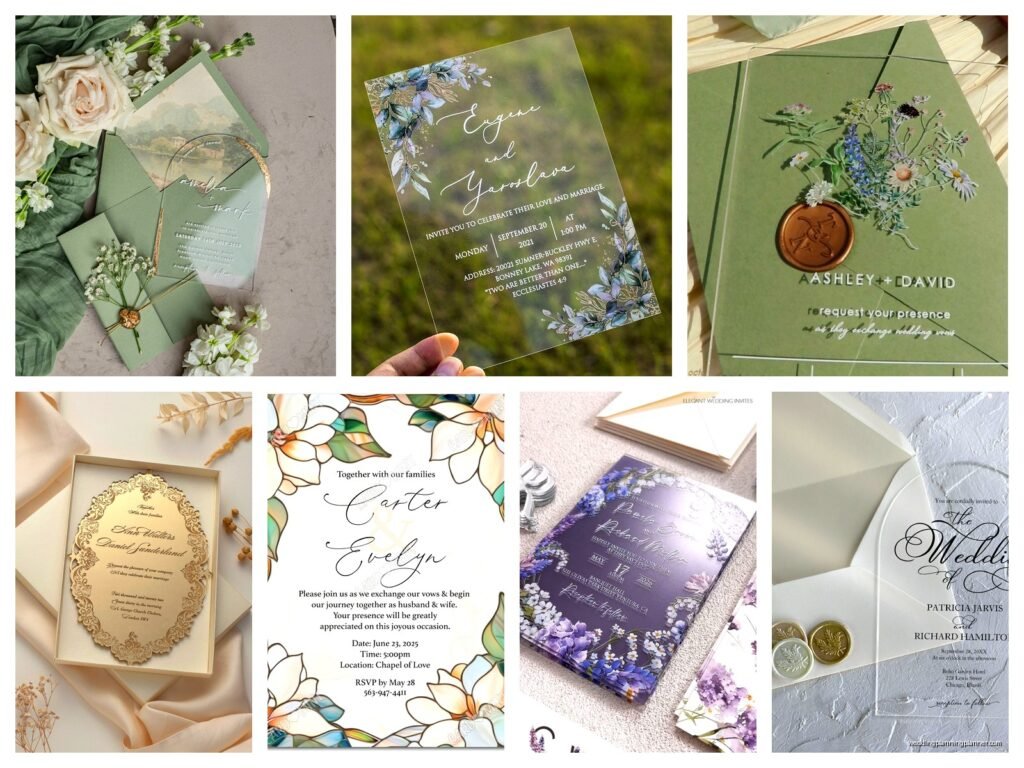
Okay So Glass Wedding Invitations Are Actually Acrylic
First thing you gotta know is that when people say “glass” wedding invitations they’re almost always talking about acrylic. Like, actual glass invitations exist but they’re ridiculously heavy and expensive and honestly kinda dangerous to mail? I had this bride back in spring 2023 who was INSISTENT she wanted real glass until I showed her the shipping quote and she nearly fell off her chair. Acrylic gives you that same transparent, modern look without the risk of slicing open your mailman’s hand.
The whole transparent invitation trend really took off around 2019-2020 and it’s still going strong because it photographs so incredibly well. You know those flat lay photos with invitations on marble or velvet? Yeah, acrylic invitations are basically made for Instagram.
What You’re Actually Getting Material-Wise
Most acrylic invitations are made from clear plexiglass or acrylic sheets that are usually 1/8 inch thick, though you can go thinner (1/16 inch) or thicker (1/4 inch). The thicker ones feel more substantial but also cost more and weigh more which affects postage. I typically recommend the standard 1/8 inch because it hits that sweet spot of feeling luxurious without destroying your budget.
The printing methods are where things get interesting. You’ve got a few options:
- UV printing directly onto the acrylic (most common, very crisp)
- Vinyl decals applied to the surface (more affordable but can peel if not done right)
- Engraving or etching (beautiful but pricey)
- Printing on the backside so the text shows through (creates this cool layered effect)
UV printing is what like 80% of my clients end up choosing because it’s durable and the colors are vibrant. The ink is cured with UV light right after printing so it bonds really well to the acrylic surface.
Design Considerations That Actually Matter
Here’s what annoys me about a lot of acrylic invitation designs I see online – they don’t account for readability. Because the material is transparent, you need really good contrast. White or metallic inks work best, or you can do a colored background with white text. I’ve seen so many designs with like pale blue text on clear acrylic and it’s just… you can’t read it unless you hold it against something dark.
Your design should also consider what’s behind the invitation when someone’s holding it. If you’re going full transparent with minimal ink coverage, it’s gonna show whatever surface it’s on. Which can be gorgeous in photos but weird when Aunt Martha is trying to read it while holding it up in her kitchen with her floral wallpaper showing through.
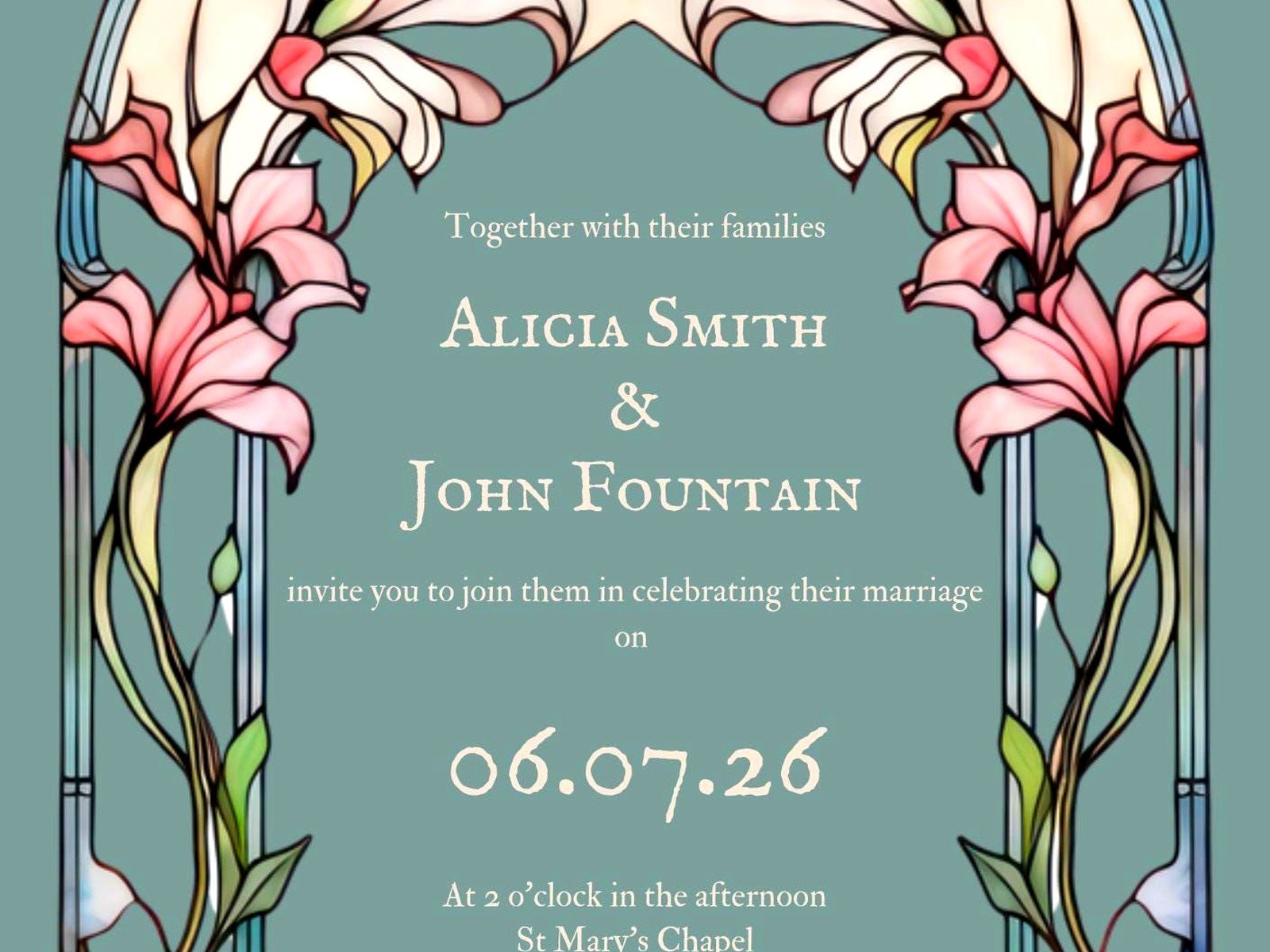
Size-wise, most acrylic invitations are either 5×7 or 4×6 inches. You can absolutely do custom sizes but remember you’re paying for the material and custom cutting. Also bigger = heavier = more expensive to mail, which brings me to…
The Mailing Situation Nobody Warns You About
Okay so this is where things get complicated and honestly a bit frustrating. Acrylic invitations are rigid and they’re usually heavier than paper invitations, which means they’re gonna cost more to mail. Like, significantly more.
A standard 5×7 acrylic invitation weighs around 2-3 ounces depending on thickness. That puts you in the $1.20-$2.00 range per invitation for postage, compared to maybe $0.70 for a regular paper invitation. And that’s just domestic US mail – international gets wild.
You absolutely need to use padded envelopes or rigid mailers. I learned this the hard way during a stressful situation in summer 2021 when a client decided to use regular envelopes “to save money” and like a quarter of them arrived with cracked corners. The postal service sorting machines do NOT care about your beautiful modern invitations.
Here’s my standard mailing setup that actually works:
- 5×7 or 6×8 padded envelope (you want a little wiggle room)
- Tissue paper or vellum wrapped around the acrylic
- “Do Not Bend” stickers (they help, kinda)
- Hand canceling at the post office if you’re really worried
Hand canceling means the postal worker stamps them by hand instead of running them through the machine. Some post offices charge extra for this, some don’t, it’s totally inconsistent.
Budget Reality Check
Let’s talk numbers because this is probably why you’re really here. Acrylic invitations typically run between $8-25 per invitation depending on size, printing method, and quantity. That’s JUST the invitation, not including envelopes, postage, inserts, or any of that.
For a wedding of 100 guests (so like 70-80 invitations accounting for couples and families), you’re looking at:
- Invitations: $640-2000
- Envelopes: $50-150
- Postage: $85-160
- Total: $775-2310
That’s… a lot compared to paper invitations which might run you $200-500 for the same quantity. But if the modern aesthetic is important to you and it fits your overall wedding vibe, it can be worth it. I just want you to go in with realistic expectations.
You can save money by doing smaller quantities (like just the actual invitation in acrylic and putting paper inserts for the details), choosing a simpler design with less ink coverage, or going with a slightly thinner acrylic.
What To Actually Include With Your Acrylic Invite
So here’s where I see people get confused or I guess overthink things… you don’t have to make EVERYTHING acrylic. In fact, most couples don’t because it gets crazy expensive.
Common approach is to have the main invitation be acrylic and then include paper inserts for:
- RSVP card (though honestly most people are doing online RSVPs now)
- Details card with hotel information, website, etc
- Reception card if ceremony and reception are different locations
- Weekend events card if you’re doing welcome drinks or day-after brunch
The paper cards go behind the acrylic in the envelope, and actually this creates a nice effect because the paper shows through the transparent invitation and can add color or texture to the overall look.
Some people do double-layer acrylic invitations where you have two sheets – like one with the design and one with the text, held together with ribbon or mounted with standoffs. These are STUNNING but also heavy and expensive and honestly difficult to mail without something going wrong.
Design Elements That Work Really Well
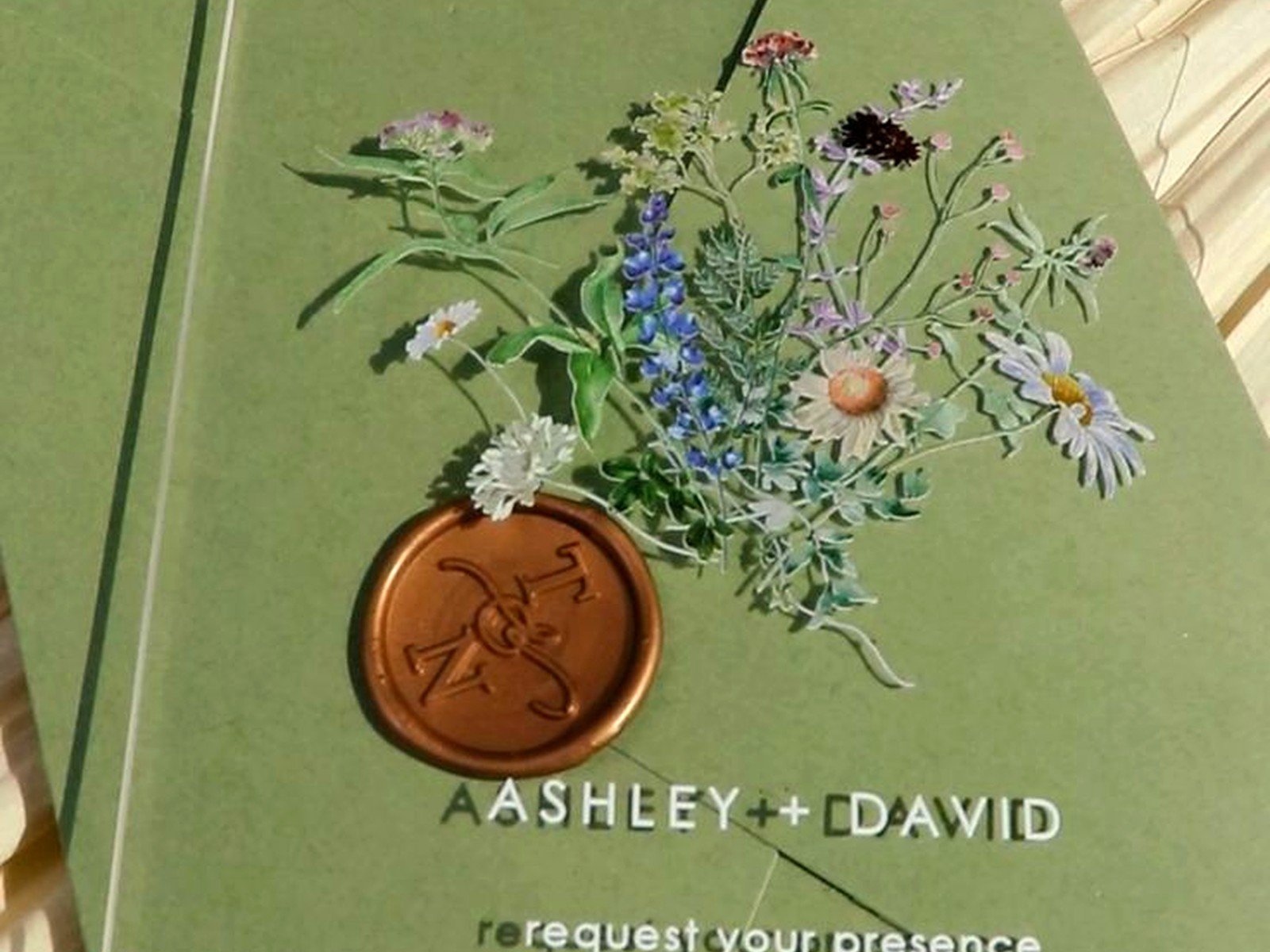
Metallic inks are your best friend with acrylic. Gold, rose gold, silver, copper – they all look amazing and catch the light beautifully. White ink is classic and crisp. Black ink can work but it needs to be solid coverage or it looks kinda sparse.
Floral designs are probably the most popular thing I see, with like botanical line drawings or watercolor flowers. Geometric patterns are really popular too, especially for modern minimalist weddings. And honestly those simple layouts with just elegant typography can be absolutely gorgeous on acrylic.
Edge finishing matters more than you’d think. You can get polished edges (smooth and clear), frosted edges (slightly opaque), or beveled edges (angled). Polished is standard and looks the most refined.
Oh and corner rounding is an option that I actually really recommend because it makes the invitations slightly safer to handle and less likely to chip in the corners during mailing.
Working With Vendors and Timing
Production time for acrylic invitations is longer than paper – usually 3-4 weeks minimum, sometimes 6-8 weeks during busy wedding season. You’re gonna want to order samples first (which most vendors offer for like $5-15) because you really need to see the material and printing quality in person.
Things to ask your vendor:
- What thickness acrylic do they use as standard?
- What’s their printing method?
- Do they offer proofs before printing the full order?
- What’s their policy on damaged or defective invitations?
- Can they provide addressed envelopes or do you handle that separately?
That last one is important because addressing acrylic invitations themselves is tricky – you can’t really write on them, so people either print directly on the envelopes or use labels or do calligraphy on the envelopes.
Assembly Process Is Actually Pretty Quick
Unlike paper invitations with belly bands and vellum wraps and seventeen layers of… sorry, got distracted thinking about this one bride who wanted six inserts and I was just like how is anyone gonna read all this. Anyway, acrylic invitations are usually pretty straightforward to assemble.
Basic process:
- Stack your paper inserts in order
- Place acrylic invitation on top (or in front, depending on your setup)
- Wrap in tissue paper or vellum if you want that extra layer of protection and prettiness
- Slide into padded envelope
- Seal and address
The whole thing takes maybe 30 seconds per invitation once you get into a rhythm. I usually recommend doing it assembly-line style with a friend or your partner – one person stacking, one person inserting into envelopes, one person sealing and stamping.
Seasonal Considerations and Themes
Acrylic invitations work year-round but they’re especially popular for spring and summer weddings because they have this light, airy feel. For fall or winter weddings, people usually add richer colors or metallic accents to warm them up a bit.
They’re perfect for: modern weddings, minimalist weddings, industrial venue weddings, beach weddings (that transparent quality feels very coastal), garden weddings, and basically any wedding where you’re going for a contemporary aesthetic rather than traditional or rustic.
They look kinda weird for rustic barn weddings or super traditional church weddings, just being honest. Like you CAN make them work but it requires really thoughtful design to not have them feel out of place with the overall vibe.
Common Problems and How To Avoid Them
Scratching is the biggest issue. Acrylic scratches easier than you’d think, so handling them carefully during assembly is important. Don’t stack them directly on top of each other without protection, and definitely keep them away from anything abrasive.
Cracking during shipping – this is why the padded envelopes are non-negotiable. I’ve also seen people add “Fragile” stickers though I’m not convinced postal workers actually pay attention to those.
Fingerprints show up really easily on clear acrylic. Have some microfiber cloths handy during assembly and maybe wear those thin cotton gloves if you’re handling a lot of them.
Colors looking different than expected – this is why samples are so important. What looks good on a computer screen can look totally different printed on transparent material. My cat knocked over my coffee onto a sample once and I discovered that at least they’re waterproof, so that’s something.
Etiquette Stuff That Still Applies
Even though acrylic invitations are modern and non-traditional, you still gotta follow basic invitation etiquette in terms of timing and wording. Send them 6-8 weeks before the wedding (or 3-4 months if you’ve got a lot of out-of-town guests). Include all the necessary information clearly. Spell out everything – no abbreviations for street names or state names.
The transparent material doesn’t mean you get to be weird with the wording or skip important details. You still need to include who’s hosting (traditionally the parents but lots of couples host themselves now), the request to attend, names of the couple, date, time, location, and reception information.
Matching Suite Items You Might Want
If you’re doing acrylic invitations, you might want to carry the look through to other stationery items. Common matching pieces include menu cards, table numbers, escort cards, place cards, welcome signs, and programs.
Table numbers in acrylic are SUPER popular right now and they’re actually more affordable than invitations because you only need like 15-20 of them instead of 100. They look amazing on reception tables, especially with candles around them because the light reflects through the acrylic.
Menu cards can be done in acrylic but they’re heavy for place settings, so some people do one per table instead of one per guest. Or they do acrylic menus displayed on easels at the entrance to the reception.
Programs are tricky because people are gonna be holding them during the ceremony and acrylic is heavy, so… paper programs might make more sense even if your invitations are acrylic. It’s totally fine to mix materials, nobody’s gonna judge you for having acrylic invites and paper programs.
Welcome signs in acrylic look absolutely stunning and they’re a great way to incorporate the material if acrylic invitations are outside your budget. A big 18×24 or 24×36 welcome sign in acrylic with your names and wedding date makes a gorgeous statement at the ceremony or reception entrance and it’s way more affordable than doing 100 acrylic invitations