
Planning Guides, Style Guide
Turkish Wedding Planner: Professional Services Guide
Oct
So You Need a Turkish Wedding Planner
Turkish weddings are absolutely massive productions and honestly if you’re planning one without understanding the cultural specifics you’re gonna have a rough time. I learned this the hard way back in summer 2021 when a couple came to me wanting “just a simple Turkish wedding” and it turned out there’s no such thing. We’re talking multiple events over several days, hundreds of guests minimum, traditional ceremonies that have to happen in specific orders, and family dynamics that make Game of Thrones look straightforward.
The first thing you need to know about hiring a Turkish wedding planner is that they’re not just coordinating vendors and timelines. They’re cultural translators, family mediators, and basically miracle workers who understand both the traditional expectations and how to blend them with modern preferences.
What Turkish Wedding Planners Actually Do
A proper Turkish wedding planner handles way more than your typical Western wedding coordinator. You’re looking at someone who needs to navigate the kina gecesi (henna night), the actual wedding ceremony, possibly a separate religious ceremony, the davul-zurna (traditional musicians), and the whole gift-giving protocol that honestly still confuses me sometimes even after all these years.
They coordinate with both families because in Turkish culture it’s not just two people getting married, it’s two entire extended families merging. The planner becomes the buffer between potential family disagreements about guest lists, menu choices, whether Aunt Ayşe sits near Uncle Mehmet (spoiler: she probably shouldn’t), and about a million other details.
The Henna Night Specialist
This pre-wedding event needs its own planning expertise. The bride wears traditional clothing, there’s specific music, the application of henna has ceremonial significance, and the whole vibe is supposed to be bittersweet as the bride “leaves” her family. I had this one client in spring 2023 who wanted to skip the henna night entirely and oh boy, the family drama that created was… we eventually compromised with a shorter modern version but it took like three family meetings to get everyone on board.
A good Turkish wedding planner knows how to stage this properly, which female relatives should be involved in specific moments, what songs are traditional versus what’s acceptable to modernize, and how to make it Instagram-worthy while still respecting the cultural weight of the ceremony.
The Actual Wedding Day Coordination
Turkish weddings typically start with the groom’s family coming to “collect” the bride from her family’s home. There’s this whole negotiation thing with the bride’s brother or a young male relative blocking the door and demanding money or gifts before letting the groom in, and it’s playful but also needs to be choreographed so it doesn’t drag on forever or get awkward.
Then you’ve got the wedding venue itself where there might be 300-500 guests (I’m not exaggerating), a live band or DJ playing a mix of traditional Turkish music and modern hits, multiple outfit changes for the bride, and the gold ceremony where guests literally pin gold coins and jewelry onto the bride and groom. Your planner needs to have a system for collecting and cataloging all that gold because we’re talking serious money here.
Finding the Right Planner
You want someone who’s actually Turkish or has planned enough Turkish weddings that they get the cultural nuances. I can’t tell you how many times I’ve heard horror stories about general wedding planners who took on a Turkish wedding thinking “a wedding is a wedding” and then completely botched the traditional elements or the timing or the family protocols.
Ask potential planners how many Turkish weddings they’ve done specifically. If the number is less than ten, be cautious. If they start talking about how they’ll “figure it out” or they’ve done “lots of ethnic weddings,” nah, keep looking. Turkish weddings have their own specific requirements that don’t translate from other cultures.
Questions to Actually Ask
Do they have relationships with vendors who understand Turkish cuisine? Because you’ll need both hot and cold meze, proper kebabs, baklava and other desserts, and probably Turkish tea service. Standard catering companies often have no idea how to execute this properly or… wait, my cat just knocked over my coffee mug, hang on.
Okay back. Where was I? Right, questions. Ask about their experience with traditional musicians and dancers. The halay (traditional line dance) needs to happen, and someone needs to know how to get guests organized for it. Ask how they handle the gift table and the tracking system for who gave what because this is important for future reciprocity in Turkish culture.
Do they speak Turkish? This isn’t absolutely necessary but it helps SO much when dealing with older relatives who might not speak English well. Communication breakdowns with grandparents about seating arrangements or dietary needs can derail planning fast.
Service Packages and Pricing
Turkish wedding planners typically offer a few different service levels and honestly the pricing can be all over the place depending on your location and the planner’s experience.
Full Service Planning
This is where they handle everything from engagement party through the wedding weekend. You’re looking at probably $5,000 to $15,000 depending on your location and guest count. In major cities with large Turkish populations like certain areas in Germany, London, or parts of the US, prices run higher. They’ll coordinate all vendors, manage the timeline for multiple events, handle family communications, and basically be your point person for everything.
What really annoyed me once was a planner who advertised “full service” but then nickel-and-dimed the couple for every single family meeting and phone call. Make sure you understand what’s included. Full service should mean they’re available for reasonable communication throughout the planning process, not charging you $200 every time the groom’s mother has a question about the menu.
Partial Planning
This is where you’ve done some legwork yourself, maybe booked the venue and photographer, but you need help with the cultural elements and day-of coordination. Usually runs $2,500 to $7,000. Good option if you’re on a tighter budget but still want professional help navigating the traditional aspects.
Month-Of or Day-Of Coordination
Some planners offer this but honestly for a Turkish wedding I don’t usually recommend it unless you really know what you’re doing with the cultural planning. By the time you bring someone in a month before, so many decisions have already been made and if you’ve missed important traditional elements it’s hard to course-correct. But if you insist, this usually costs $1,500 to $4,000.
The Cultural Consultation Piece
One thing that sets Turkish wedding planners apart is they should offer cultural consultation as part of their services. This means sitting down with couples and families to discuss which traditions matter most to them, which ones they want to modify, and which ones they’re okay skipping entirely.
Modern Turkish couples often want to blend traditional elements with contemporary wedding styles, and this requires someone who can navigate those conversations diplomatically. Like, maybe you don’t want the full traditional henna night with the sad songs and crying, but you still want to incorporate henna in some way. A good planner helps you find that middle ground.
Family Dynamics Management
This is probably the most valuable service honestly. Turkish families can be very involved in wedding planning (putting it mildly), and you need someone who can manage expectations and communications between the couple and both sets of parents, plus extended family members who have opinions.
The planner becomes the bad guy when necessary, delivering news about budget constraints or venue capacity limits so the couple doesn’t have to constantly disappoint their relatives. This alone is worth the planning fee because it preserves family relationships during a potentially stressful time.
Vendor Coordination Specifics
Turkish weddings require some vendors that standard wedding planners might not have connections with. Your planner should have relationships with or be able to find Turkish musicians who play traditional instruments, davul-zurna players for the entrance procession, performers who can lead the halay, and possibly belly dancers if that’s something you want.
They need connections with bakeries or caterers who can properly execute Turkish sweets and desserts, not just throwing some baklava on a plate and calling it done. The dessert table at a Turkish wedding is kinda a showpiece and needs to be done right.
Decor That Makes Sense
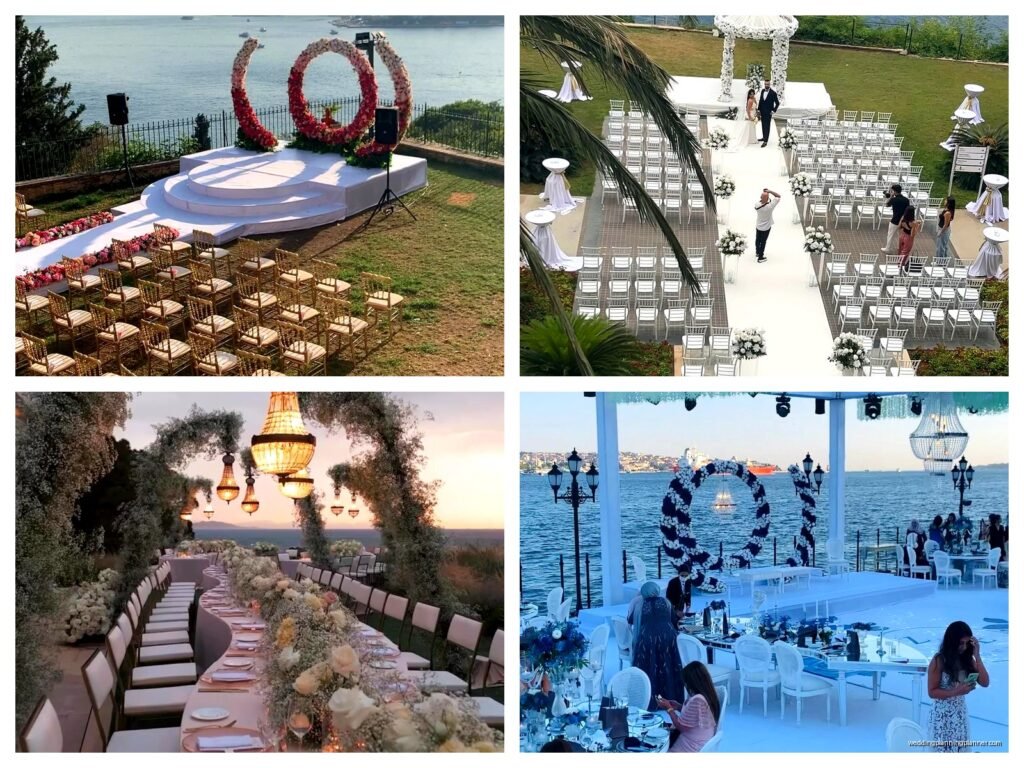
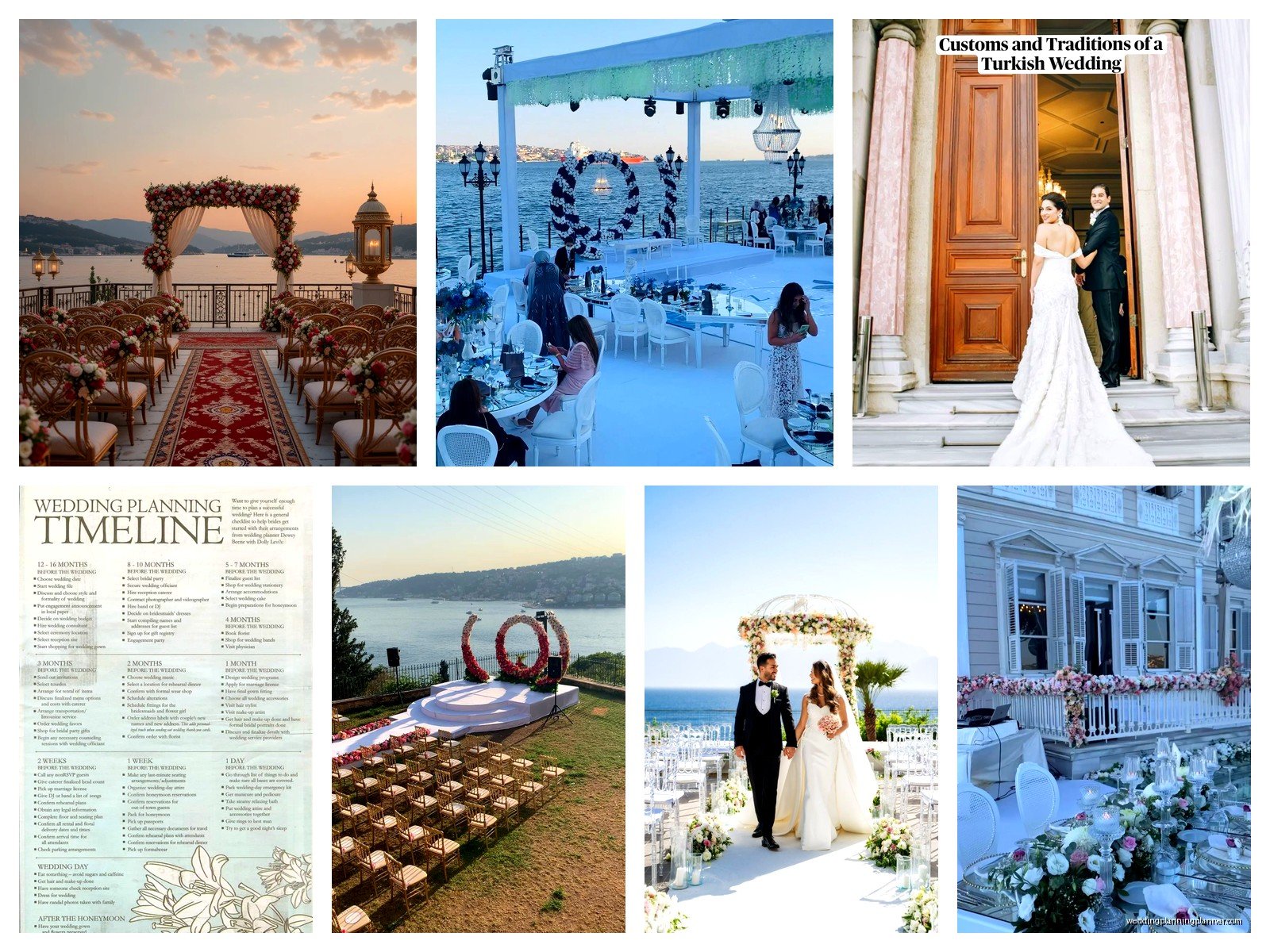
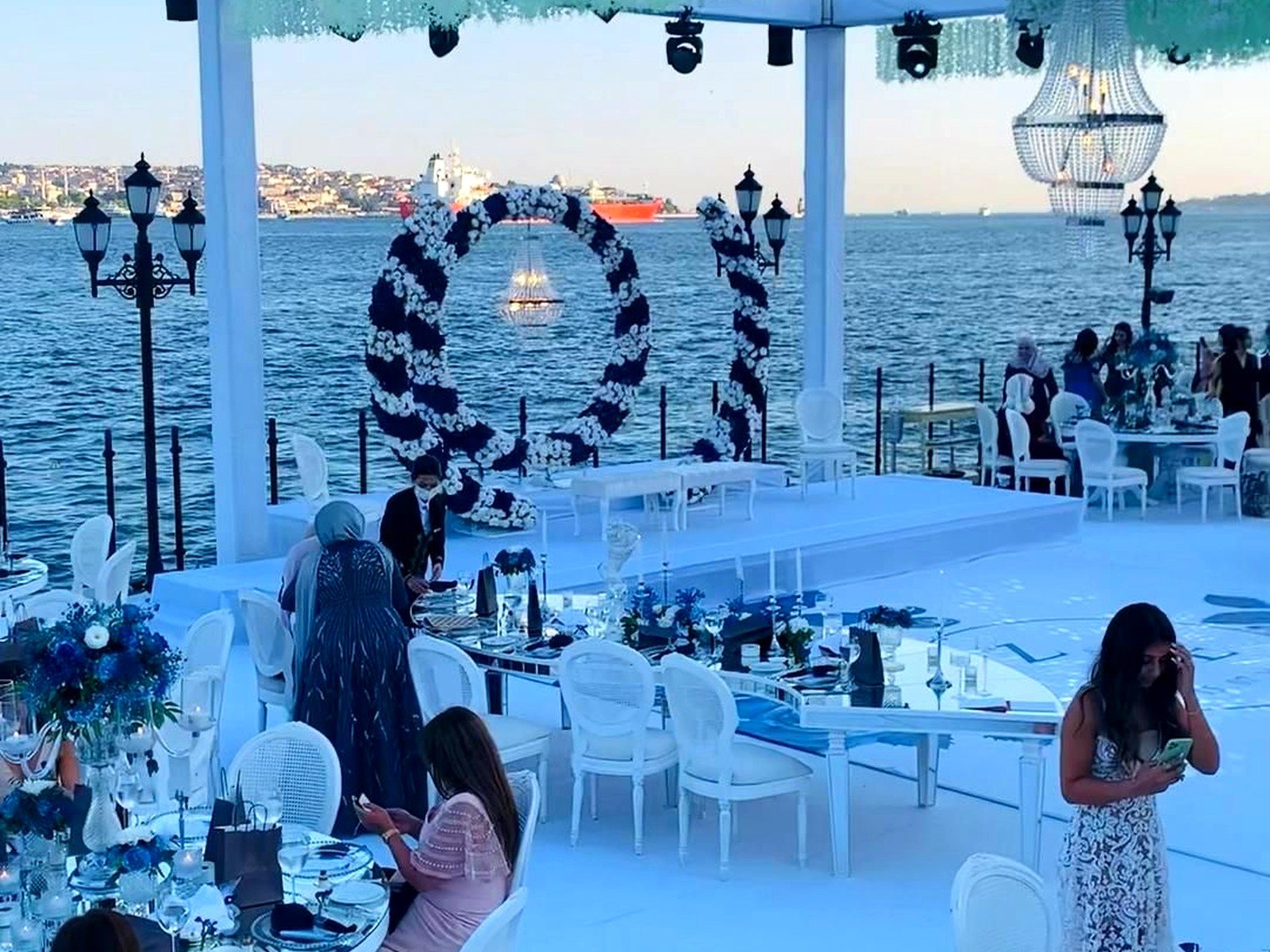
Turkish wedding decor tends toward the grand and glamorous. We’re talking elaborate floral arrangements, dramatic lighting, sometimes even fountains or other water features. Your planner should understand this aesthetic and have vendor relationships that can execute it within your budget.
They should also know how to blend traditional Turkish elements like evil eye motifs, Ottoman-inspired patterns, or Turkish tea glasses as favors with modern wedding design trends. It’s a specific skill to make this look cohesive rather than like a cultural stereotype explosion.
Timeline Management
Here’s where Turkish weddings get complicated and why you really need a professional. The timeline doesn’t just run from ceremony to reception like American weddings. You might have events spread across three or four days, and each event has its own internal timeline that needs to flow properly.
The henna night might be two nights before the wedding. The day of the wedding, you’ve got the preparation of the bride, the groom’s family arrival, the negotiations and games at the door, travel to the venue, possibly a separate religious ceremony, the reception entrance with musicians, dinner service, the gold ceremony, multiple dance sessions, outfit changes, and then the couple’s departure. Each piece needs precise timing or the whole thing falls apart.
A Turkish wedding planner creates detailed timelines for each event and shares them with all relevant parties. They coordinate with vendors to ensure musicians arrive when needed, food is served at the right temperature, and there aren’t awkward gaps where guests are just standing around wondering what happens next.
What You Actually Get for Your Money
When you hire a Turkish wedding planner, you should receive detailed planning documents including vendor contracts review, budget tracking spreadsheets, guest list management, timeline creation for all events, floor plans for the venue, and coordination of all the moving pieces on the actual days.
You should get unlimited email communication and reasonable phone access during business hours. Some planners include a certain number of in-person meetings, others charge for meetings beyond an initial consultation. Make sure this is clear upfront.
Day-of services should include a planning team (not just one person for a 400-guest wedding), coordination with all vendors, management of the ceremony and reception flow, handling any emergencies or last-minute issues, and cleanup coordination at the end of the night.
Red Flags to Watch For
If a planner promises you can have a “authentic traditional Turkish wedding” for like $20,000 total including their fee, they’re either lying or don’t understand what authentic means. Turkish weddings are expensive because of the guest count, multiple events, and elaborate expectations. A realistic budget starts around $40,000 and can easily go way higher.
If they don’t ask detailed questions about your family’s regional background, that’s concerning. Turkish wedding traditions vary somewhat between different regions of Turkey and between families who’ve been in diaspora for generations versus recent immigrants. Someone who treats all Turkish weddings as identical isn’t experienced enough.
Watch out for planners who seem dismissive of traditional elements or who push you too hard toward Westernization. Yes, you should modernize what makes sense for you, but if they’re actively discouraging meaningful traditions because they’re “too much work,” find someone else.
Working With Your Planner
Once you’ve hired someone, you gotta be honest about your budget, your family dynamics, and your actual preferences. Don’t tell your planner you want a traditional wedding if you really want something modern with just a few Turkish touches, because they’ll plan accordingly and then you’ll be unhappy with the result.
Be clear about which family members need to be involved in decisions and which ones are just gonna complain no matter what so their opinions can be noted and then ignored. Your planner can’t navigate family politics if you’re not honest about the relationships and dynamics.
Respond to emails and questions in a timely manner because Turkish wedding planning has a lot of moving pieces and delays cascade quickly. If your planner asks about dietary restrictions for the menu tasting and you don’t respond for three weeks, that pushes back the catering contract, which might affect availability, which creates stress for everyone.
Trust their expertise on cultural matters but speak up if something really doesn’t feel right for you. They’re there to create your wedding, not dictate it. The best planner-client relationships have open communication and mutual respect.
