
Planning Guides, Style Guide
Vietnamese Wedding Planner: Professional Services Guide
Oct
What You Actually Need to Know About Vietnamese Wedding Planning Services
So Vietnamese weddings are completely different from the standard white-dress-church-reception thing and honestly if you’re thinking about hiring a Vietnamese wedding planner or becoming one, there’s a LOT that people don’t tell you upfront. I had this couple back in spring 2023 who came to me three months before their wedding thinking they could just “add some Vietnamese touches” to a regular wedding and umm, that’s not really how it works when you’re dealing with traditional families.
The Ceremony Structures You’re Actually Dealing With
Vietnamese weddings typically have multiple events and this is where couples get overwhelmed. You’ve got the Dam Hoi (engagement ceremony), the actual wedding day which includes both a morning ceremony at the bride’s house AND an evening reception, and sometimes there’s even more depending on the families involved. A good Vietnamese wedding planner needs to coordinate ALL of these, not just show up for the reception with some centerpieces.
The Dam Hoi alone requires so much coordination—you’re organizing gift trays, specific items that have symbolic meaning, the proper people to carry them, traditional outfits for the groom’s family. I remember spending literally two hours with a mother-of-the-groom explaining why we needed an even number of gift trays and why the betel leaves had to be arranged a certain way. She kept saying “but my friend’s wedding only had five trays” and I’m like… yeah that’s gonna cause issues with traditional families who are counting.
What Professional Services Actually Include
When you hire a Vietnamese wedding planner, you should expect them to handle the cultural protocol stuff that regular wedding planners just don’t know. This means:
- Coordinating with both families on the proper ceremony order and customs
- Sourcing and arranging traditional items like the mam qua (betrothal gifts)
- Finding vendors who understand Vietnamese wedding needs—and trust me, not every caterer knows what to do when you need both American and Vietnamese cuisine
- Managing the timeline for multiple ceremonies in one day
- Organizing the tea ceremony with the right setup and family order
- Handling the ao dai coordination if the couple wants traditional outfits
- Dealing with the reception entertainment which often includes specific Vietnamese music, lion dances, or cultural performances
The thing that really annoyed me early in my career was when other wedding planners would say “oh I can totally do a Vietnamese wedding” and then they’d just… put out some red and gold decorations and call it cultural. Nah. That’s not it. You need to understand the meaning behind everything, the family dynamics, the regional differences between Northern and Southern Vietnamese traditions.
Pricing Structure for Vietnamese Wedding Planning
Alright so let’s talk money because this is where it gets interesting. Vietnamese wedding planning services usually run differently than standard wedding planning because of the complexity and multiple events involved. You’re looking at:
Full-service planning: Usually starts around $3,000-$8,000 depending on your location and the planner’s experience. This covers everything from the engagement ceremony through the reception. In major cities with large Vietnamese communities like Los Angeles, San Jose, Houston, or the DC area, prices tend to be higher.
Partial planning: Maybe $1,500-$4,000 if you only need help with specific cultural elements or the ceremony portions while you handle the reception yourself.
Day-of coordination: This is trickier for Vietnamese weddings because “day-of” is actually multiple events, so expect $800-$2,000.
Some planners charge by event rather than a flat fee, which honestly makes more sense when you’re doing an engagement party, a tea ceremony, and a reception that might have 300+ guests.
Finding the Right Vietnamese Wedding Planner
You want someone who actually understands the cultural nuances, not just someone who Googled Vietnamese wedding traditions the night before. Ask them:
- How many Vietnamese weddings they’ve planned (if it’s under 10, they’re still learning)
- Whether they’re familiar with both Northern and Southern Vietnamese traditions because they’re different
- If they have relationships with Vietnamese vendors—this matters SO much for things like ao dai rentals, traditional food, cultural performers
- How they handle family conflicts around tradition because oh boy, this comes up
- Whether they speak Vietnamese (not required but it helps when dealing with older family members)
I worked with this couple where the groom’s family was from Northern Vietnam and the bride’s family was from the South and they had completely different expectations about how the tea ceremony should go. The order of serving tea, who should be included, even the type of tea—it was like negotiating a peace treaty and if I hadn’t understood those regional differences we would’ve had a disaster.
The Vendor Coordination Nightmare (But Also the Important Part)
Vietnamese weddings need specific vendors and coordinating them is… it’s a whole thing. You need:
Catering: Often you’re doing dual cuisine—Vietnamese food for the older generation and American or fusion for younger guests. Finding a caterer who can execute both well is harder than you’d think. Plus Vietnamese banquet-style service has its own timing and setup requirements.
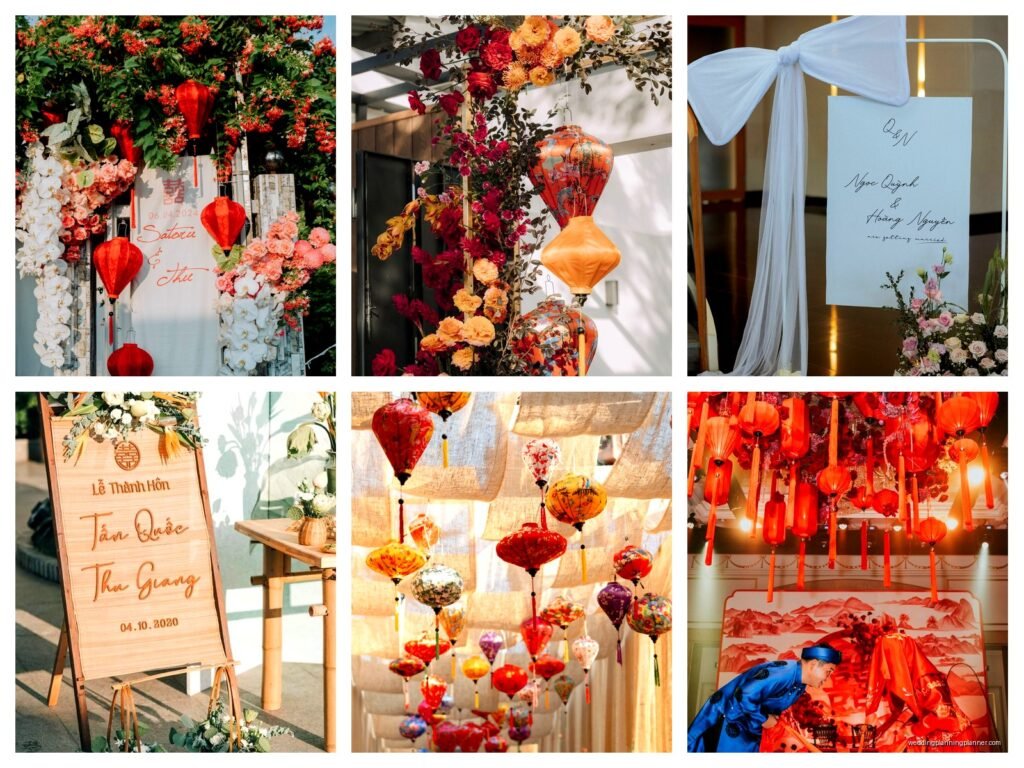
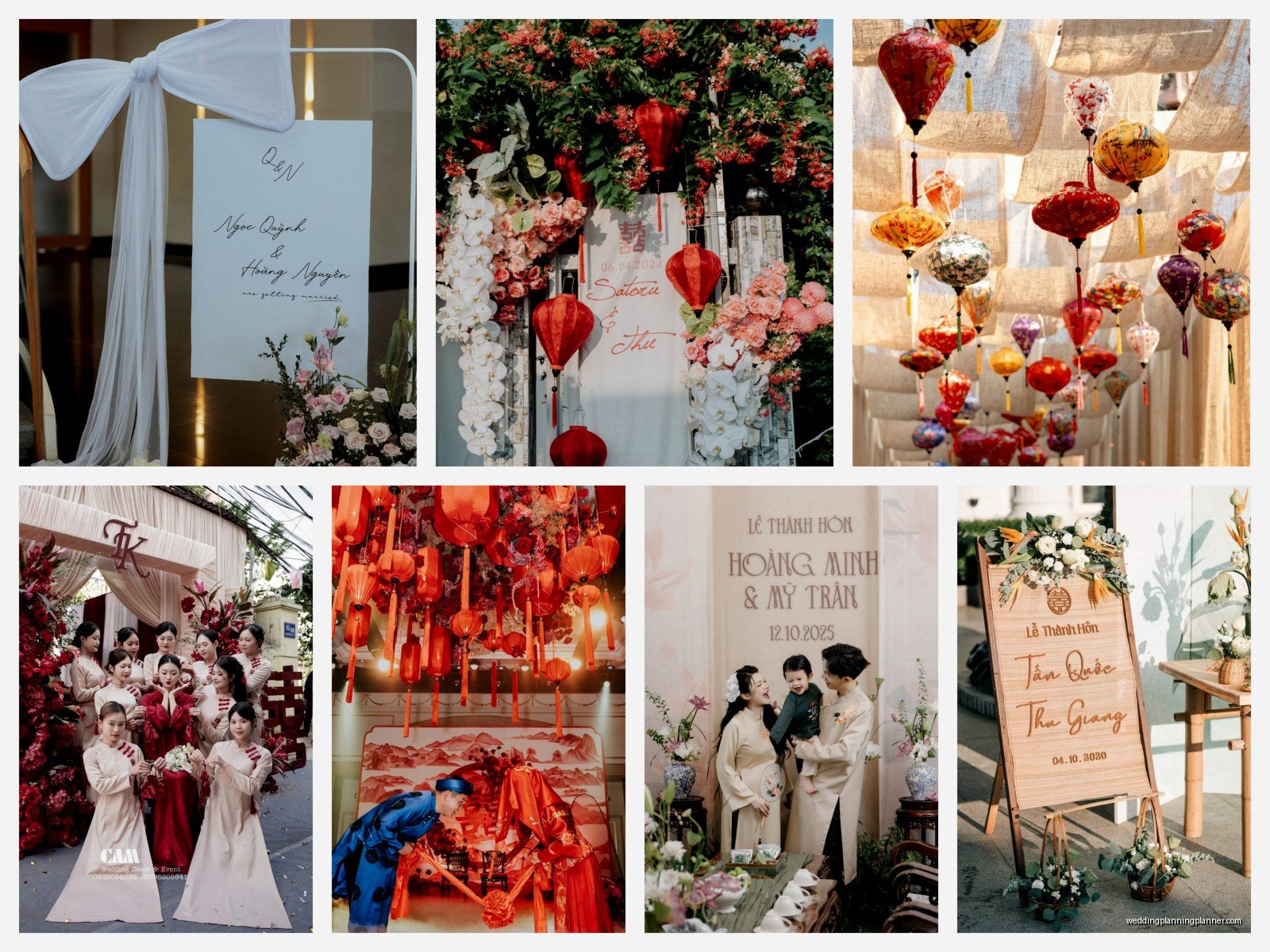
Decorations: Red and gold are traditional but modern couples want to incorporate other colors while still respecting tradition. The altar setup for the tea ceremony needs specific items and arrangement. I’ve seen decorators who just throw red tablecloths on everything and wonder why the family is upset.
Photography/Videography: Vietnamese families want EVERYTHING documented. The getting-ready photos, the gift procession, every single family grouping you can imagine, the tea ceremony in detail. You need photographers who understand they’ll be shooting for like 12 hours and won’t complain about it.
Cultural performers: If you’re having a lion dance or traditional music, you need to book these specialists months in advance and they need to understand the timing of when they perform during the reception.
Ao dai rentals or custom tailoring: For couples who want traditional Vietnamese attire, you’re coordinating fittings, multiple outfit changes, and sometimes outfits for the entire wedding party.
Timeline Management Is Actually Complicated
Here’s what a typical Vietnamese wedding day looks like and why you need someone managing this:
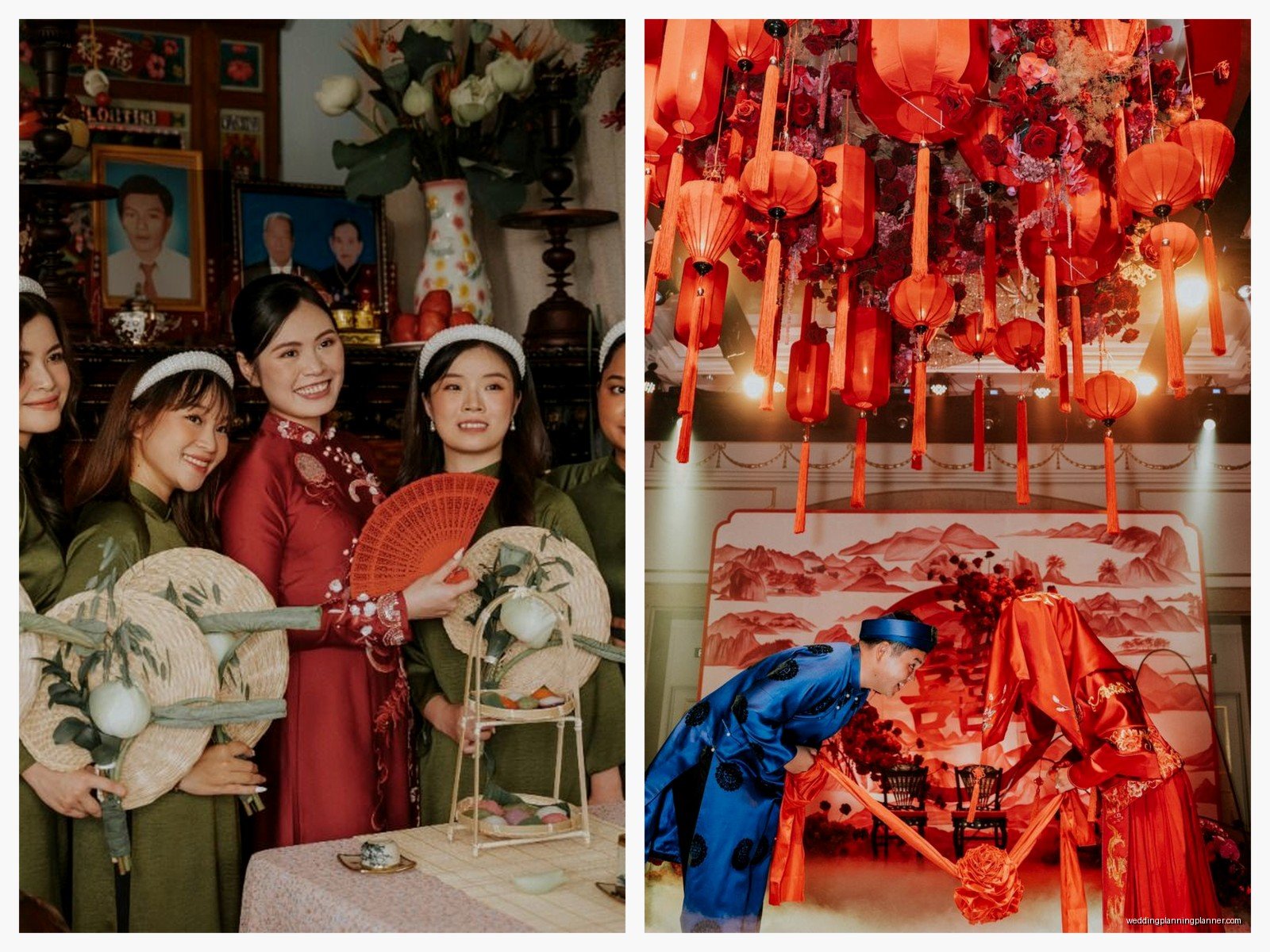
Morning (sometimes starting at 6 AM): The groom’s family arrives at the bride’s house with the procession of gift trays. There’s a whole ceremony here with speeches, tea service, and the formal “asking” for the bride. This can take 2-3 hours.
Midday: Sometimes there’s a break, sometimes you go straight into photos, sometimes there’s a lunch reception for close family.
Afternoon: Getting ready for the evening reception, which might include multiple outfit changes.
Evening: The actual reception which includes the grand entrance, more tea ceremony for extended family, dinner service (which is often 7-10 courses), speeches, games, dancing, and can easily run 5-6 hours.
You’re essentially planning multiple events in one day and keeping everyone on schedule while being flexible because Vietnamese family time is… not always punctual. I’ve learned to build in buffer time everywhere or you’ll lose your mind.
The Cultural Protocol Stuff That Makes or Breaks It
This is where having a knowledgeable planner is worth every penny. There are so many cultural protocols that seem small but matter hugely to traditional families:
- The number of gift trays and what goes in them
- Who carries the gifts (usually young unmarried men from the groom’s family)
- The order of the tea ceremony—who gets served first matters A LOT
- Proper attire for different parts of the day
- How to respectfully blend traditions if it’s an intercultural marriage
- The timing of when the bride changes outfits
- Seating arrangements that respect family hierarchy
- How to handle divorced parents or complicated family situations within traditional structure
Summer 2021 I had a wedding where we didn’t properly coordinate with the bride’s grandmother about the tea ceremony order and she was SO offended that she almost left. We fixed it but it was this whole dramatic thing that could’ve been avoided with better communication upfront. My cat literally knocked over my coffee while I was on the phone trying to smooth things over and I just… it was a moment.
What Couples Should Prepare Before Meeting a Planner
If you’re the couple hiring a Vietnamese wedding planner, come prepared with:
- A clear idea of how traditional you want to be—some couples want full traditional everything, others want to modernize or simplify
- Your families’ expectations (talk to your parents first because they’ll have opinions)
- Guest count estimates (Vietnamese weddings tend to be LARGE)
- Budget that accounts for the multiple events
- Any specific regional traditions your families follow
- Whether you’re doing one outfit or multiple changes
The couples who struggle most are the ones who haven’t talked to their families yet and then the planner gets caught in the middle of family disagreements about tradition. Have those conversations first, figure out what’s negotiable and what’s not, then bring that to your planner.
Modern Adaptations and Fusion Approaches
Not every Vietnamese wedding needs to be completely traditional and good planners understand this. A lot of modern couples are doing fusion approaches where they keep certain meaningful traditions but adapt others. Common adaptations include:
- Simplified gift trays with fewer items but still maintaining the symbolism
- Shorter tea ceremonies that include only immediate family
- Modern color palettes that incorporate red and gold as accents rather than the main colors
- Combined engagement and wedding day ceremonies to reduce the number of events
- Fusion menus that blend Vietnamese and other cuisines
- Modern ao dai designs or wearing traditional attire for only part of the day
The key is doing these adaptations respectfully and making sure both families are on board. A good planner helps navigate these conversations and find compromises that honor tradition while fitting the couple’s vision.
Red Flags When Hiring a Planner
Watch out for planners who:
- Say they can “figure it out” without Vietnamese wedding experience
- Don’t ask detailed questions about your families’ expectations
- Can’t explain the meaning behind traditional elements
- Don’t have established Vietnamese vendor relationships
- Seem dismissive of traditional elements or family input
- Quote prices that seem way too low for the amount of work involved
- Don’t speak any Vietnamese and you have family members who primarily speak Vietnamese
I’ve seen couples hire cheap planners who had no idea what they were doing and it showed. The gift trays were wrong, the tea ceremony was chaotic, the timing was off… it’s not worth saving a thousand dollars to have your families upset on your wedding day.
The Family Dynamics Component
Honestly this might be the hardest part of Vietnamese wedding planning—managing family expectations and dynamics. Vietnamese families are often very involved in wedding planning (sometimes TOO involved) and a good planner needs to be part diplomat, part therapist, part project manager.
You’ll deal with mothers who have very specific visions, fathers who are concerned about maintaining tradition, grandparents who remember how things were done in Vietnam, and couples who want to do things their own way. Finding the balance is kinda an art form and it’s why I always insist on meeting with both families early in the planning process, not just the couple.
Sometimes you need to help families understand that certain traditions need adaptation for American venues or logistics. Like, the traditional gift procession is beautiful but if you’re doing it at a hotel you need to coordinate with their staff and maybe modify the route or… anyway you get the idea. It’s a lot of negotiation and cultural translation.
What Makes Vietnamese Wedding Planning Different from Other Cultural Weddings
I’ve planned Indian weddings, Chinese weddings, various cultural celebrations, and Vietnamese weddings have their own unique challenges. The multiple-event structure, the specific symbolic items that aren’t easily sourceable, the importance of family hierarchy in every decision, the expectation of very large guest counts, and the blend of very traditional elements with modern reception expectations—it’s a specific skill set.
Plus there’s often this generational gap where younger Vietnamese-American couples want to honor their heritage but don’t fully know all the traditions themselves, so the planner becomes an educator as well as a coordinator. You’re teaching them about their own culture while also planning their wedding which is actually pretty cool but also adds another layer of responsibility.
The food component alone is more complex than most weddings—Vietnamese banquet meals have specific courses, specific serving styles, and families often have strong opinions about which dishes should be included. And you’re gonna need to make sure vegetarian options aren’t just an afterthought because there are often Buddhist family members who don’t eat meat.
