Planning Guides, Style Guide
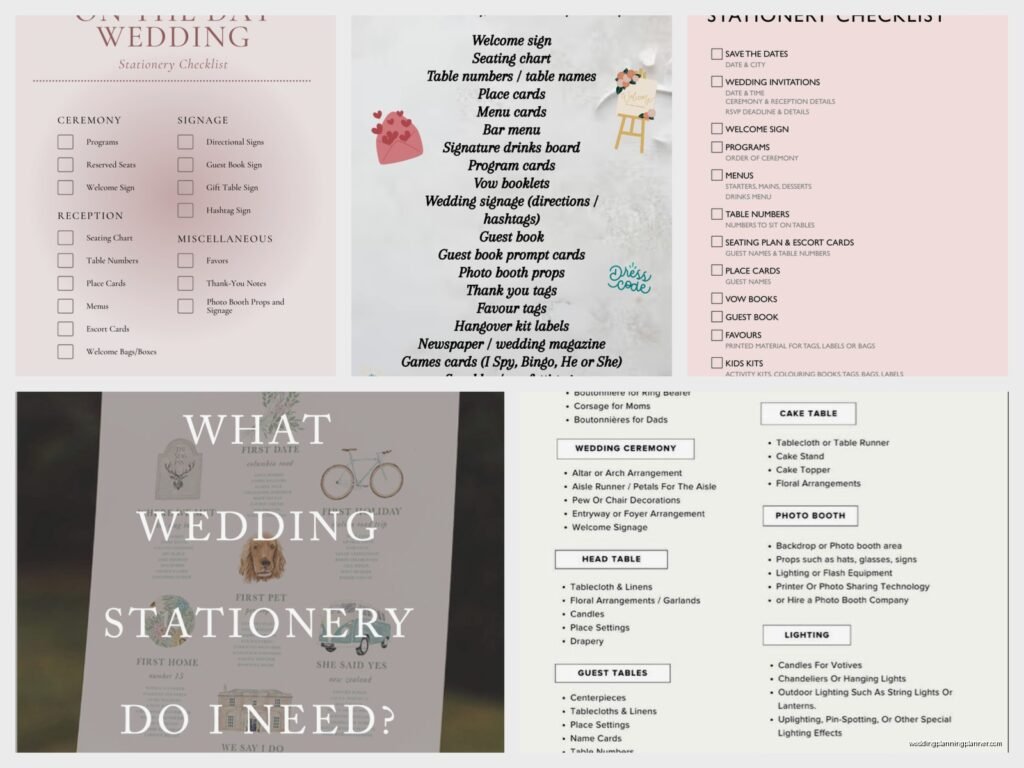
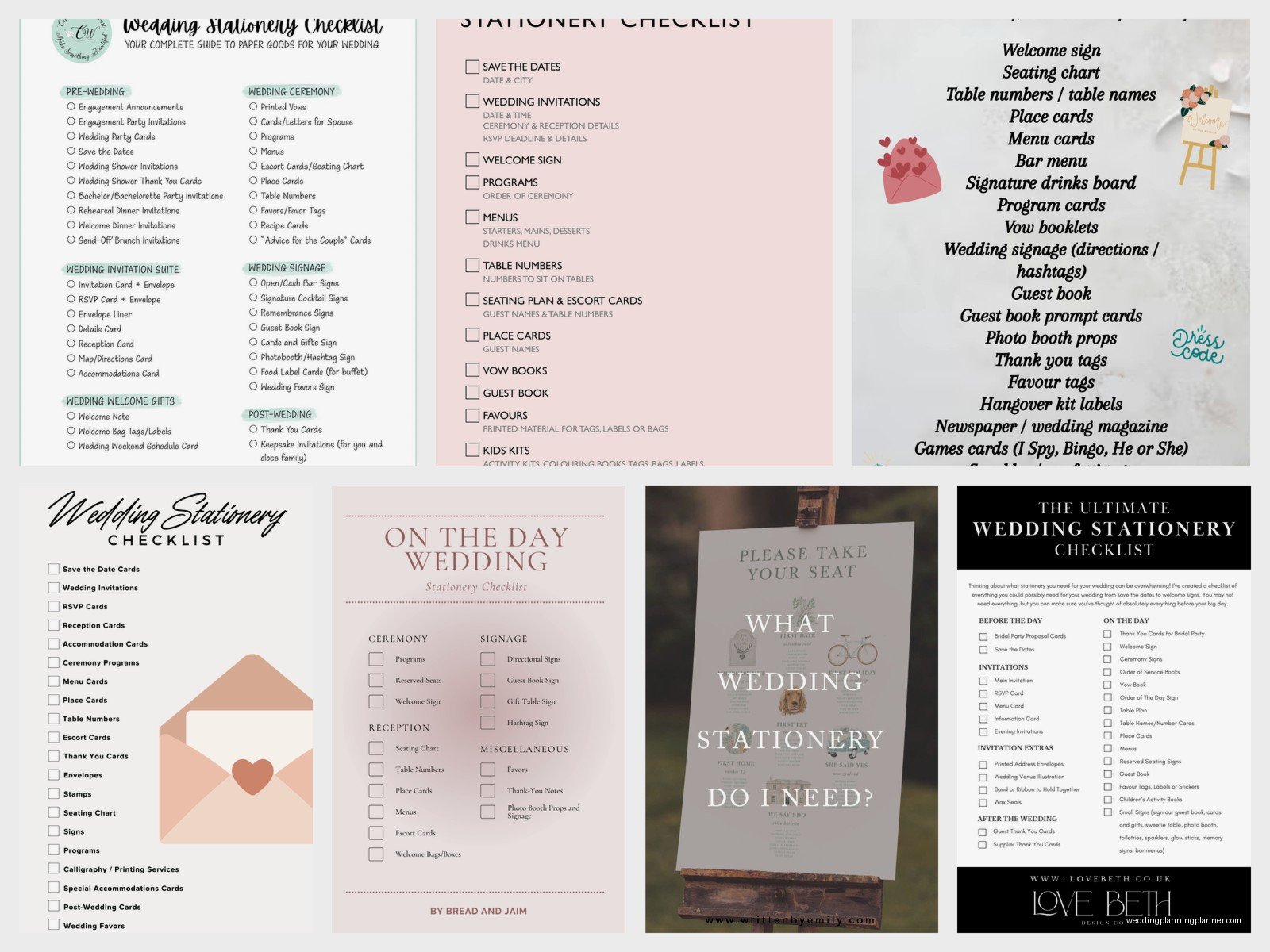
Wedding Stationery Checklist: Complete Paper Suite List
Apr
Save the Dates and Early Announcements
Okay so save the dates are usually the first thing you’re gonna send out and honestly they’re more important than people think. I had this couple back in spring 2023 who skipped save the dates entirely because they thought “everyone checks Facebook” and then like half their out-of-town guests booked other stuff that weekend. Don’t be those people.
You want to send save the dates about 6-8 months before the wedding, or even earlier if you’re doing a destination wedding. They should include your names, the date, the city/location (you don’t need the exact venue yet), and maybe a note that a formal invitation will follow. Some couples do magnets, some do postcards, some do those fancy photo cards. Whatever you pick, just make sure it actually says “save the date” somewhere on it because I’ve seen designs so minimalist that guests weren’t sure what they were looking at.
If you’re doing engagement announcements separately, those go out right after you get engaged obviously. But most people just post on social media now and call it done. I kinda miss the formal engagement announcement cards though – they were elegant.
The Main Invitation Suite
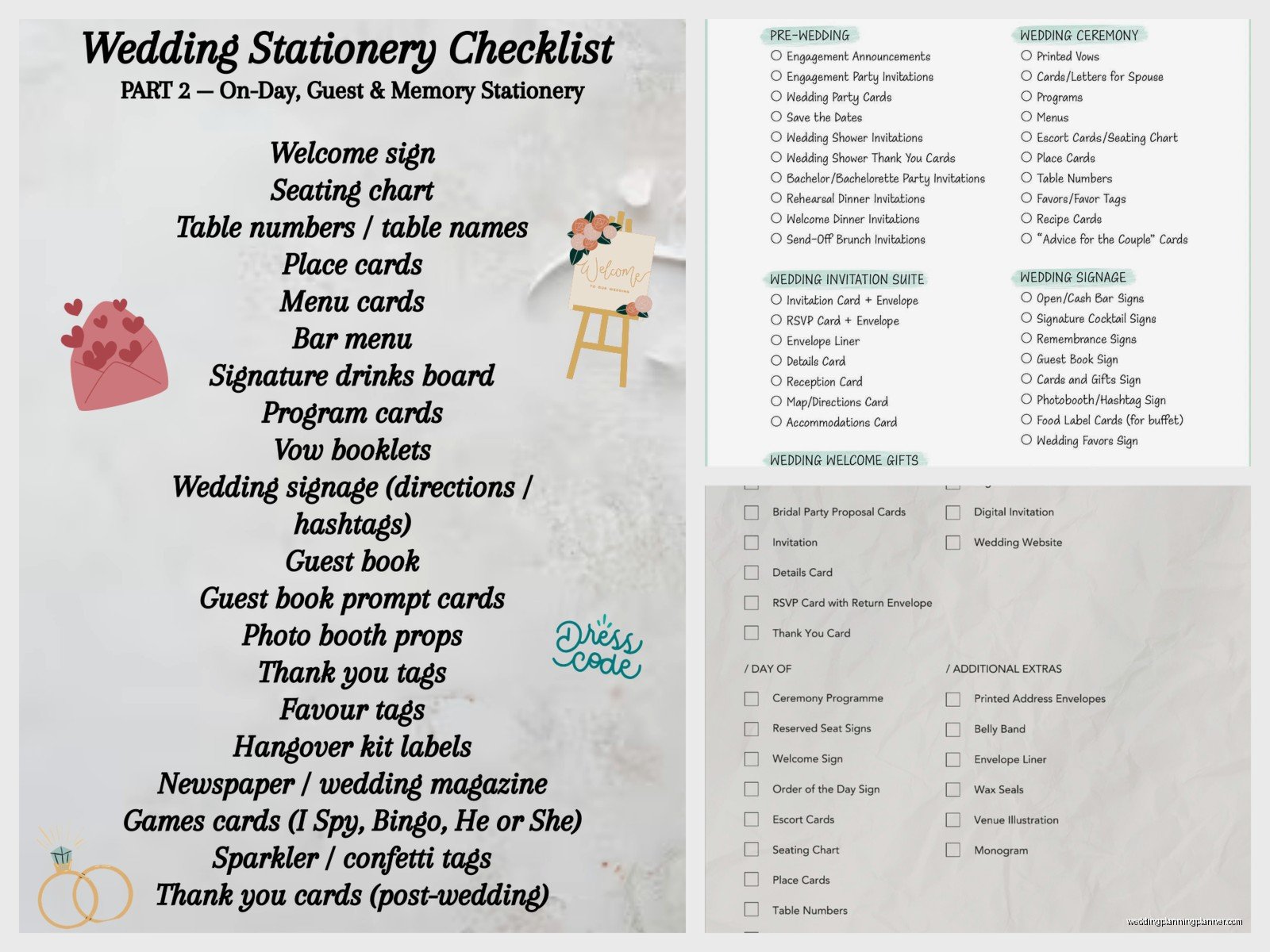
This is where people get overwhelmed and honestly it’s annoying how many vendors act like you need seventeen different insert cards. You don’t. But here’s what typically goes in a full invitation suite:
The actual invitation is the main card with all the important details – who’s getting married, when, where, and who’s hosting (if you’re doing the traditional wording). This is usually the biggest card in your envelope.
Reception card – only needed if your ceremony and reception are at different locations or different times. If everything‘s in one place, you can just put “reception to follow” on the main invite.
Response card and envelope – this is for guests to tell you if they’re coming or not. Include a pre-addressed and pre-stamped envelope because otherwise people will just… not send them back. Trust me. The stamp costs like 60 cents and it’s worth it. Some people do online RSVPs now through their wedding website which saves money and is honestly easier to track.
Details card or information card – this is where you can put your wedding website, hotel room blocks, transportation info, dress code, whatever else people need to know. You can fit a lot on one card if you format it right, or you can do multiple cards if you have a ton of information to share.
Accommodation cards are separate if you have multiple hotel options or if you really want to emphasize where people should stay. Direction cards are pretty much obsolete now because everyone uses GPS, but some couples still include them for venues that are hard to find or don’t show up properly on Google Maps.
The Extras People Forget About
Inner envelopes are traditional but totally optional – they’re the envelope inside the outer envelope that has just the guests’ names without the address. Honestly most people skip these now unless they’re doing a very formal wedding.
Belly bands, ribbons, vellum wraps, wax seals – all optional decoration stuff. They look gorgeous but they add cost and assembly time. I spent an entire weekend in summer 2021 with a bride and her bridesmaids tying silk ribbons around 200 invitations and my cat kept trying to attack the ribbon spools, it was chaos but also kinda fun?
Envelope liners are those decorative paper pieces inside the envelope flap. They’re beautiful but completely unnecessary. If you’re on a budget, skip them.
Ceremony Stationery
Programs are the big one here. Wedding programs typically include the order of events, the wedding party names and roles, maybe a thank you note to parents or a memorial for loved ones who’ve passed. You can do single sheets, folded cards, booklets, fans (great for outdoor summer weddings), whatever works.
Some couples skip programs entirely if they’re having a short ceremony or if the officiant explains everything. That’s totally fine. I’ve noticed programs often get left behind on chairs anyway, which used to really annoy me because couples spend so much money on them, but then I realized people usually take photos of them now instead of keeping the physical copy so… whatever works I guess.
Ceremony signs are becoming huge – welcome signs, seating charts, unplugged ceremony signs asking people to put phones away, reserved seating signs. You can get these printed professionally or DIY them pretty easily.
Pew markers or aisle decorations sometimes have a paper element if you’re attaching tags or labels to floral arrangements.
Reception Paper Goods
Okay this is where the list gets long because there’s so much you CAN include but definitely don’t need everything:
Escort cards vs place cards – escort cards tell guests which table they’re sitting at (usually displayed on a big board or table at the entrance), place cards tell them exactly which seat at that table. You need one or the other, sometimes both. Escort cards can be little tented cards, tags attached to favors, names on a mirror or glass display, whatever. Place cards go at each seat.
Table numbers or table names – pretty self-explanatory. Some couples do numbers, some do names of places that are meaningful to them, some do song titles or movie references or whatever represents them as a couple.
Menu cards can be at each place setting or one per table. Or you can skip them entirely and just let people discover what they’re eating, which is fine but I personally like knowing what’s coming. Some couples print the menu on a big sign instead.
Drink menus or bar signs listing the signature cocktails and other drinks available.
Thank you cards for favors – little tags that say thanks for coming or explain what the favor is.
Napkins – custom printed cocktail napkins with your names and date are super popular. They’re relatively cheap and people actually use them so they’re not wasteful.
Coasters – same idea as napkins, can be custom printed.
Signage Everywhere
Welcome sign at the entrance, guestbook sign, gift table sign, dessert table sign, photo booth sign… the list goes on. You definitely don’t need signs for everything but they do help guests know what’s what, especially if you have a less traditional setup or multiple stations happening.
Bathroom baskets sometimes have printed signs listing what’s available (breath mints, hair spray, whatever emergency supplies you’ve stocked).
Sparkler send-off signs if you’re doing that, or instructions for whatever your exit is gonna be.
Day-Of Paper Items
Timeline or itinerary cards – some couples give these to the wedding party and parents so everyone knows when photos are happening, when the ceremony starts, all that. Super helpful for keeping people on track.
Vendor tip envelopes – you’ll want envelopes labeled with each vendor’s name and the tip amount already inside so your maid of honor or whoever is handling this doesn’t have to think about it during the wedding.
Emergency kit labels if you’re putting together emergency kits for the bathrooms or getting-ready areas.
Post-Wedding Stationery
Thank you cards are not optional, sorry. You gotta send them. Traditional etiquette says within three months of the wedding but honestly just get them done as soon as you can after the honeymoon. They should be personalized for each gift – no generic messages.
Some couples also send wedding announcements after the wedding to people who weren’t invited but should know you got married (like distant relatives or old family friends). These usually include a wedding photo.
Optional But Fun Extras
Rehearsal dinner invitations if you’re doing a formal rehearsal dinner. Sometimes people just text or email about this though.
Brunch-the-next-day invitations for the farewell breakfast.
Bachelorette party or bridal shower invitations – technically separate events but they’re part of the whole wedding stationery ecosystem I guess?
Programs for the rehearsal if you’re having a complex ceremony that needs a run-through explanation.
Vow books or readings printouts for the ceremony if you want beautiful versions to keep.
Guest book alternatives like signing a print or a globe or… okay this is getting away from paper goods but you might need printed instructions for whatever alternative you choose.
What You Actually Need vs What’s Nice to Have
Look, the only things you absolutely must have are: invitations with some way for people to RSVP, and probably some kind of seating indication at the reception. Everything else is truly optional.
I had a bride once who got so stressed about having every single matching paper item that she nearly had a breakdown two weeks before the wedding because her programs weren’t the exact same shade of blush pink as her menus and honestly? No guest has ever noticed that kind of thing. No one’s comparing your program to your menu card to make sure the fonts match.
That said, having coordinated stationery does create a cohesive look and if that’s important to you, go for it. Just don’t let it become a source of stress.
Ordering Timeline and Quantities
Save the dates should be ordered about 8-9 months before the wedding so you can send them 6-8 months out. Order exactly the number you need plus maybe 10-15 extras for last-minute additions or keepsakes.
Invitations should be ordered 4-5 months before the wedding, assembled, and mailed 6-8 weeks before the wedding date (3 months ahead for destination weddings). Order about 10-15% more than you think you need because you’ll mess some up during assembly or addressing, guaranteed.
Reception stationery should be ordered after you get your final headcount, so usually 2-3 weeks before the wedding. This includes place cards, menu cards, anything with specific numbers. Order a few extras of everything just in case.
Thank you cards can be ordered before the wedding or after – some couples include them in their invitation suite order to get everything matching, others wait until after and use wedding photos on them.
Budget Reality Check
Stationery can range from a few hundred dollars to several thousand depending on what you include and how fancy you go. On average, couples spend about 2-3% of their total wedding budget on paper goods.
Ways to save: do online RSVPs instead of response cards, skip programs, use digital signage instead of printed signs, DIY what you can, choose simpler designs without fancy printing techniques like letterpress or foil stamping.
Things worth spending on in my opinion: the actual invitations because they set the tone, and thank you cards because you’ll have them forever. Everything else you can be flexible about.
One thing that really annoyed me is when stationery designers don’t tell you upfront about all the costs – like yeah the invitations are $500 but then envelopes are extra, printing addresses is extra, assembly is extra, and suddenly you’re at $1200. Always ask for the total cost including everything you need, not just the per-unit price.