Planning Guides, Style Guide
Wedding Venue Plans: Complete Guide
Apr
Getting Your Venue Plans Actually Sorted Out
Okay so venue plans are honestly one of those things that sounds way simpler than it actually is. You’d think it’s just like “pick a place, book it, done” but there’s this whole layer of logistics and paperwork and floor plans that nobody tells you about until you’re knee-deep in it.
First thing you gotta know is that venue plans aren’t just about the pretty pictures on Instagram. I mean yeah, those matter, but what you really need is the actual blueprint or floor plan of the space. Like, I had this couple back in spring 2023 who fell in love with this barn venue because the photos were gorgeous, all string lights and rustic charm, but they didn’t ask for the floor plan until two months before the wedding. Turns out the space could only fit 80 people comfortably but they’d invited 130. That was a fun conversation.
The Actual Floor Plan Stuff
Most venues will have some kind of floor plan they can share with you. It might be a fancy CAD drawing or it might be a hand-sketched thing the owner made on graph paper. Either way, you need to see it before you sign anything. The floor plan should show you:
- Total square footage of each room or space
- Where the doors and exits are located
- Built-in features like stages, bars, fireplaces
- Electrical outlet locations (this matters more than you think)
- Any columns or obstacles in the middle of the room
- Ceiling heights
- Kitchen or catering prep areas
I always tell couples to get this in a digital format if possible because then you can play around with it. There are these free online tools like AllSeated or Social Tables where you can upload the floor plan and start dragging tables and chairs around. It’s kinda like playing The Sims but for your wedding, which honestly makes the whole planning process way less stressful.
Capacity Numbers Are Lying To You
Here’s something that annoyed me SO much when I first started planning weddings – venues will list a capacity number that’s technically true but completely unrealistic. They’ll say “holds 200 guests” but that’s if you pack people in like sardines with no dance floor, no DJ setup, no gift table, no cocktail area. It’s just chairs crammed wall to wall.
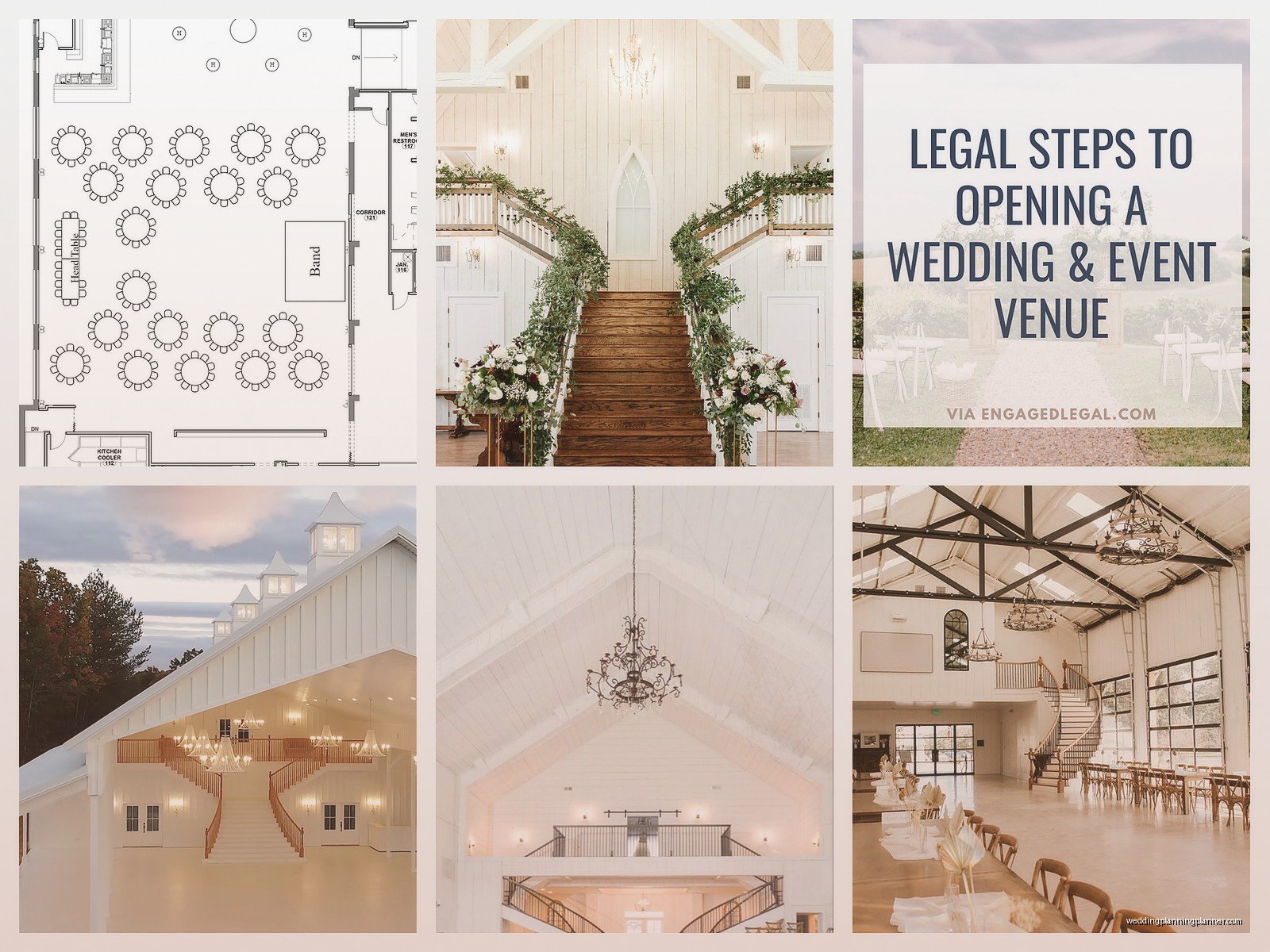
The real capacity you should plan for is about 60-70% of what they advertise if you want people to actually be comfortable. So if a venue says 200, I’m planning for like 120-140 max. You need space for:
- A dance floor (usually 3-4 square feet per person who’ll actually dance, so maybe 1/3 of your guest list)
- The band or DJ setup which is bigger than you think
- A bar area with room for people to queue
- Cocktail tables if you’re doing cocktail hour in the same space
- Walkways between tables so servers can actually get through
- The sweetheart table or head table
- Gift and card table, guest book area, maybe a photo booth
Working With Your Venue Coordinator
Most venues have an in-house coordinator or someone who handles events. This person is gonna be your best friend or your worst nightmare, there’s really no in-between. You want to get on their good side immediately because they know all the quirks of the space.
Ask them about things that wouldn’t be in the contract or on the website. Like, does the air conditioning struggle when it’s over 85 degrees? Is there a neighbor who complains about noise after 10pm? Do the bathrooms flood if too many people use them at once? I learned to ask these questions after a summer 2021 wedding where the venue’s generator couldn’t handle the AC and the lighting at the same time, so we had to choose between people being able to see or people not passing out from heat. Good times.
The Site Visit Checklist
When you visit venues, bring a notebook or just use your phone notes. Take pictures of EVERYTHING, not just the pretty ceremony spot. You want photos of:
- The parking situation and how far guests have to walk
- The bridal suite or getting-ready room (is there actually good lighting and mirrors?)
- Bathroom facilities (how many stalls, are they nice or gross?)
- Storage areas for gifts, supplies, your emergency kit
- The entrance where guests will arrive
- Any stairs or accessibility issues
- Lighting fixtures and where you can add your own if needed
- What the space looks like at the actual time of day you’ll be there
That last one is huge. A space that’s beautiful at 2pm might be really dark and sad-looking at 7pm, or vice versa. I always try to visit at the same time as when the event will actually happen.
Layout Options and Table Configurations
Alright so once you’ve got your floor plan, you need to figure out how to arrange everything. There are standard layouts that work for most weddings, and then there are weird creative ones that look cool on Pinterest but are actually terrible in practice.
Round tables are your friend. They seat 8-10 people comfortably and everyone can talk to each other. A 60-inch round table fits 8 people without being cramped. If the venue only has 72-inch rounds, those fit 10-12 but they take up way more space.
Long banquet tables look really pretty and photographing well but they’re kind of a pain because the people at the ends can’t talk to the people in the middle, and you need more aisle space between them. Also my cat knocked over my coffee while I was drafting a banquet-style layout last week and I’m still finding sticky spots on my desk, so maybe I’m biased against them right now.
The Dance Floor Debate
People always want to skimp on dance floor size to fit more tables and then they regret it. If you want people to actually dance – and like, if you’re paying for a band or good DJ you probably do – then you need at least 9 square feet per person you expect to dance. So if you think 50 people might dance at once, that’s 450 square feet, which is roughly a 20×20 dance floor.
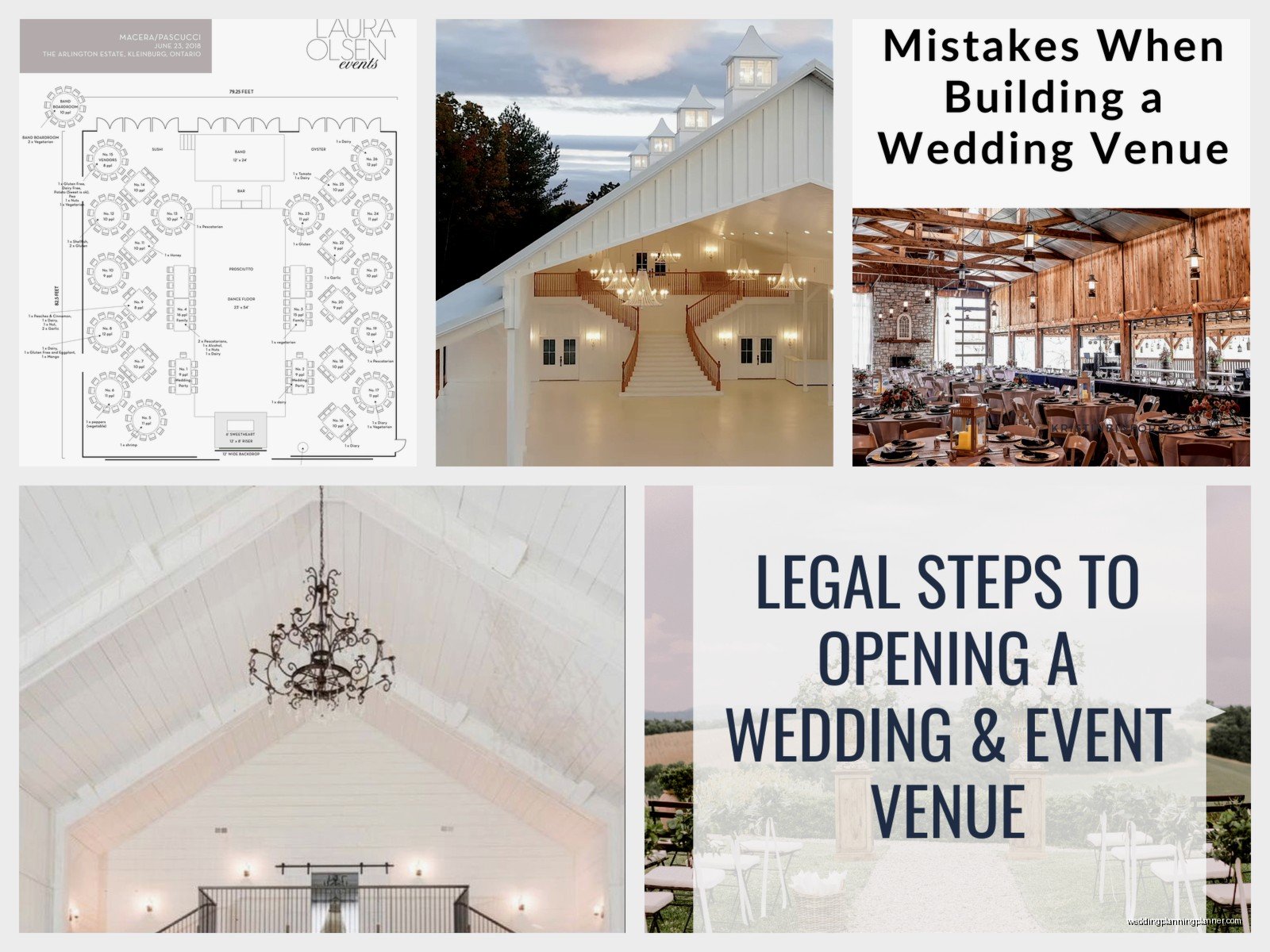
Some venues have built-in dance floors. Some you have to rent. The rental ones come in sections that snap together and they’re usually 3×3 or 4×4 panels. Just make sure it’s gonna be on a level surface because dancing on a tilted floor is… not great.
Ceremony Space Planning
If you’re doing the ceremony at the same venue as the reception, you need a flip plan. That’s what we call the layout for transitioning from ceremony setup to reception setup. The venue staff needs to know exactly what goes where and how long they have to do it.
Typically you’ve got like 30-60 minutes during cocktail hour to flip the space. That means:
- Ceremony chairs get moved or reconfigured into reception seating
- The ceremony arch or backdrop gets moved out
- Tables get set up with linens and place settings
- Centerpieces go out
- The DJ or band moves from ceremony music spot to reception spot
You need to have this written down clearly. I usually create a timeline that shows exactly when each thing happens and who’s responsible for it. The venue staff appreciates this because then they’re not guessing, and you’re not stressed wondering if it’s all gonna come together.
Ceremony Seating Arrangements
For the ceremony, you can do rows of chairs (traditional), semi-circle arrangements (kinda pretty but weird for sight lines), or even standing room if it’s a super short ceremony. Most ceremonies need chairs for like 10-15 minutes max, so comfort isn’t as critical as reception seating, but you still don’t want grandma sitting on a folding chair that’s gonna collapse.
The aisle should be at least 4 feet wide. I’ve seen venues try to cram in extra chairs by making the aisle narrower and then the bride’s dress can’t fit through properly or… wait, actually there was this one wedding where the flower girl’s wagon got stuck between chairs and she just started crying and refused to move. We had to lift the whole wagon over a row of chairs. Nobody tells you about these moments in wedding planning school.
Working With Vendors on the Floor Plan
Your caterer, DJ, florist, and photographer all need to see the venue floor plan. They’ll have opinions about where things should go based on their needs, and sometimes those opinions conflict with each other.
The DJ wants to be somewhere with good power access and where they can see the whole room. The caterer wants to be close to the kitchen with a clear path for servers. The photographer wants good lighting and angles. The florist needs to know where centerpieces go obviously but also where to put ceremony flowers, entrance arrangements, bathroom flowers if you’re doing that.
I usually create a master floor plan that shows everything and send it to all vendors at once so everyone’s on the same page. Otherwise you get the DJ showing up and setting up where the gift table was supposed to go and then it’s chaos.
Power and Lighting Considerations
This is so boring but so important. You need to know where the outlets are because:
- DJ equipment needs power and lots of it
- Uplighting requires outlets around the perimeter
- Coffee stations and hot food need power
- Phone charging stations if you’re providing those
- Any special lighting for the cake table or head table
Some venues have terrible electrical systems and you can’t run too many things on the same circuit or you’ll blow a fuse. Ask about this during your site visit because fixing it the day of the wedding is not fun. You might need to rent a generator or distribute the power load differently than you planned.
Outdoor Venue Considerations
Outdoor venues are gorgeous and also unpredictable nightmares. You need backup plans for weather, which means either a tent or an indoor option.
If you’re renting a tent, that needs to be on the floor plan too. Tents come in different styles – pole tents need stakes in the ground, frame tents can go on any surface including concrete or decking. The tent company needs to know exactly where it’s going, what size, and they’ll need access to set it up usually 1-2 days before the wedding.
Tent layouts are different from indoor spaces because you’re starting from scratch. You need to rent literally everything – tables, chairs, linens, plates, glasses, the dance floor, lighting, potentially heaters or fans, bathrooms if the venue doesn’t have them nearby. It adds up really fast in terms of cost and logistics.
Weather Backup Plans
You need a decision point for weather. Like, “we’ll decide by 10am the day before if we’re moving inside” or whatever. This needs to be in writing and shared with all vendors because moving a wedding from outdoor to indoor means reconfiguring everything.
I had a couple who refused to make a weather decision until the morning of their wedding even though it was clearly gonna rain. We ended up setting up the outdoor ceremony space AND the indoor backup simultaneously, which meant double the work for everyone and a very stressed-out venue coordinator who definitely hated me that day. Learn from their mistake – just pick a decision time and stick to it.
Permits and Restrictions
Some venues require permits for certain things. Like if you want sparklers, fireworks, a bonfire, amplified music past a certain time, alcohol service, or a tent on their property. Ask about this early because permits can take weeks to get approved.
Also ask about noise ordinances, curfews, and what happens if you go over time. Some venues charge like $500 per half hour if you go past your contracted end time. Others just shut down your music at 11pm whether you’re done or not.
Insurance is another thing – most venues require you to have event insurance that names them as additionally insured. It’s usually pretty cheap, like $200-300, but you gotta remember to do it.
Creating Your Final Venue Plan Document
Once everything’s figured out, create one master document that has all the info in one place. This should include the floor plan with all vendor positions marked, the timeline for setup and breakdown, contact info for everyone involved, and any special instructions.
I usually make this document about 2-3 weeks before the wedding and distribute it to the venue, all vendors, and the couple. That gives everyone time to review it and ask questions before the actual day.
The document should be really specific. Not just “DJ in corner” but “DJ setup in northeast corner near outlets, requires 10×10 space, arrives at 4pm for 5pm start time.” The more detailed you are, the less room there is for confusion or mistakes.
And honestly that’s the bulk of what you need to know about venue plans. It sounds like a lot because it is a lot, but once you’ve done it a few times the process becomes pretty automatic. Just remember to get everything in writing, visit the space at the right time of day, and don’t trust capacity numbers without seeing the actual floor plan first.