Planning Guides, Style Guide
Wedding Reception Seating Plan: Complete Guide
May
Okay so seating charts are honestly one of those things that sounds simple until you’re actually doing it
I’m gonna be straight with you – the seating plan is where like 60% of wedding drama happens and nobody warns you about this until you’re knee-deep in it. Last spring I had a bride literally crying in my office because her mom and dad were divorced and both had new partners and there were stepkids involved and honestly it was like solving one of those logic puzzles where the farmer has to get the chicken across the river without the fox eating it.
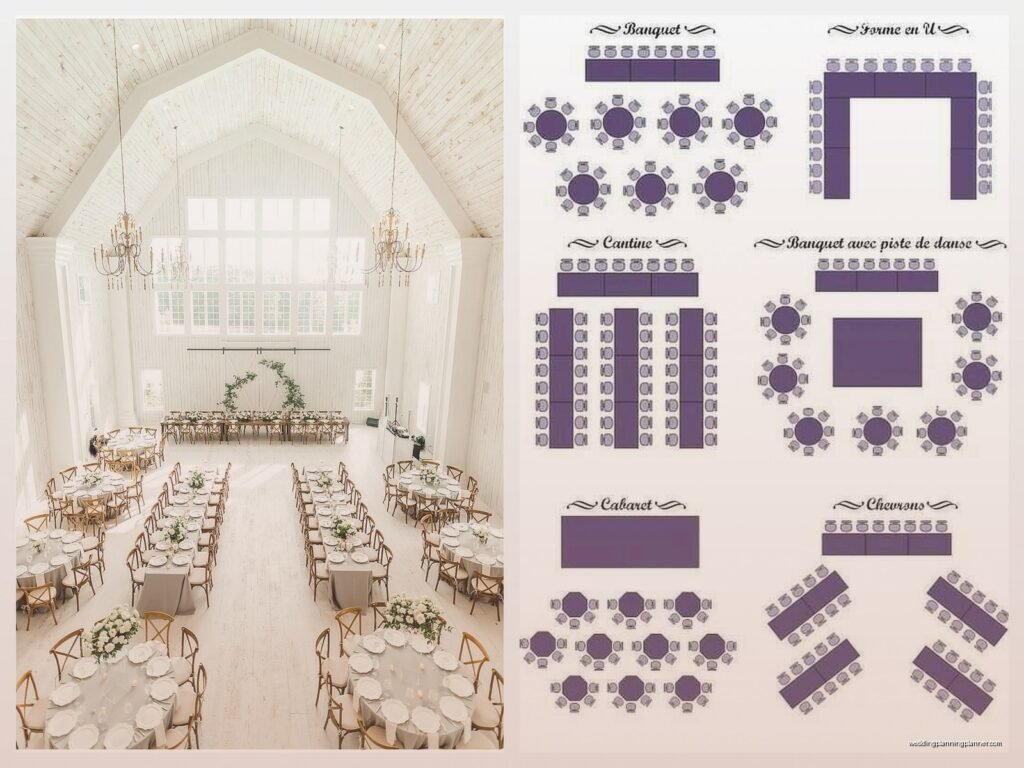
So first things first you need to know your venue layout and how many people can actually fit at each table. Round tables of 8 are standard but some places do 10s and honestly I’ve seen everything from long farmhouse tables to a mix of different sizes. Get the exact dimensions from your venue because I cannot tell you how many times couples just assume and then we show up and realize we’re short three seats or we have this awkward table of 4 in the corner.
Start with your VIPs and the non-negotiables
You’re gonna want to place your parents first, then grandparents, then the bridal party. These are your anchor tables. The sweetheart table thing is cute but honestly it can make you feel kinda isolated during dinner – I did a sweetheart table at my own wedding back in… wait no that was my sister’s wedding, I’m not married, my cat is my plus-one to everything and she doesn’t even appreciate the fancy invitations I bring home.
Anyway your parents table or tables need to be close to you. If your parents are divorced this is where it gets messy. You have options: separate tables for each parent and their crew, or if they’re civil you can do one parents table but seat them across from each other not next to each other. I had a wedding in summer 2021 where the bride’s parents hadn’t spoken in 15 years and we literally had to map out sight lines so they wouldn’t have to look at each other during dinner and it was exhausting but it worked.
The thing that really annoyed me recently was this one couple who waited until TWO WEEKS before the wedding to even start their seating chart and then acted shocked when I told them it was gonna be stressful. Like yes Sharon it’s going to be stressful because Aunt Linda doesn’t speak to Uncle Bob and you have 47 dietary restrictions to track and…
Make a spreadsheet or you will lose your mind
I use Excel but Google Sheets works too. You need columns for: guest name, relationship to bride/groom, any conflicts (this is huge), dietary restrictions, plus-one status, and RSVP status. Some people use those fancy online seating chart tools but honestly I find them more complicated than they need to be.
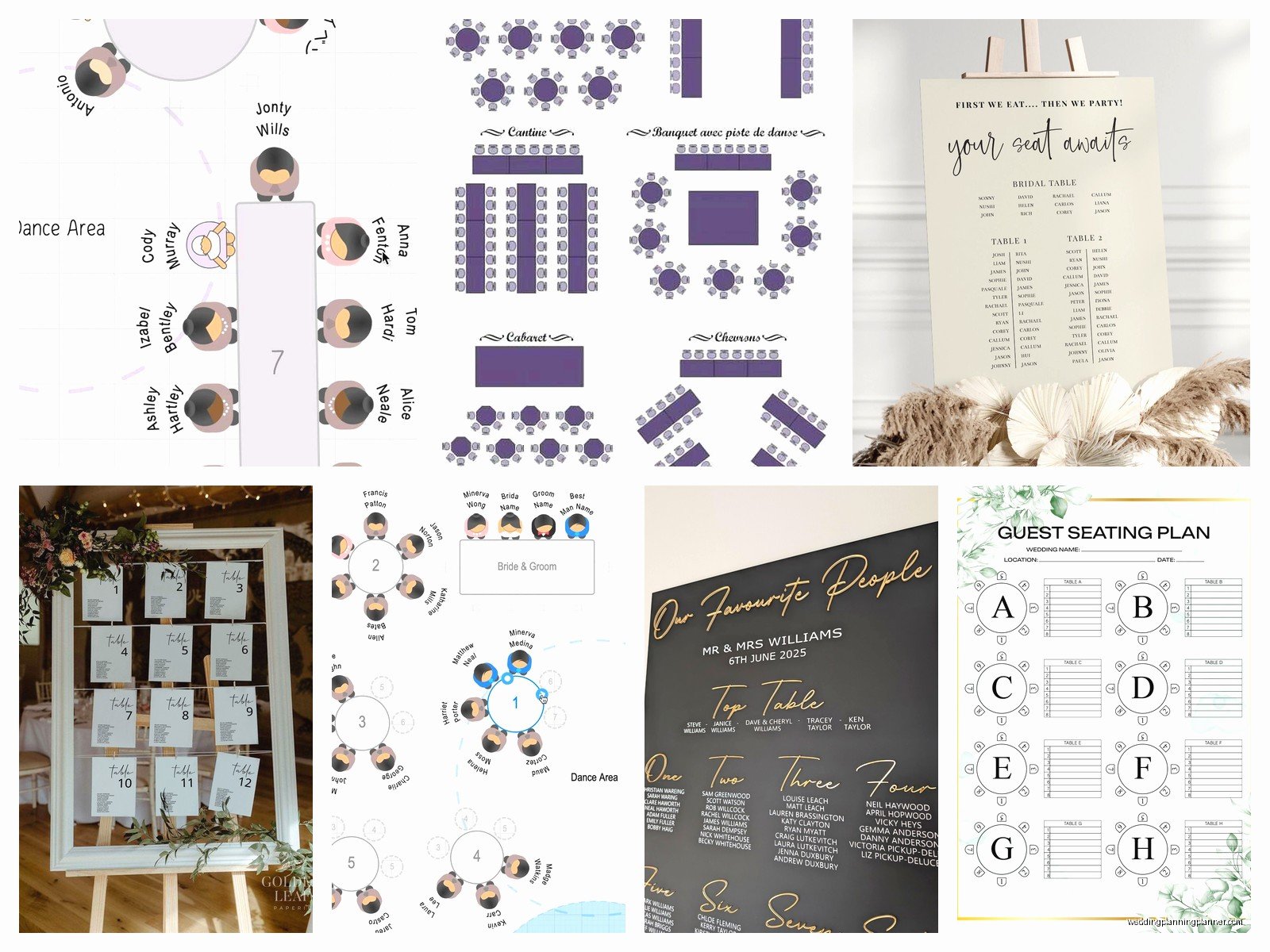
Start grouping people by how they know you. College friends together, work people together, family clusters. The goal is that everyone at a table has something to talk about. Don’t just throw random people together because you ran out of seats – that’s how you end up with your quiet cousin next to your loudest fraternity brother and nobody has a good time.
The actual logistics of arranging tables
Once you know your groups you need to think about proximity to important stuff. Older guests and anyone with mobility issues should be close to bathrooms and exits. People with small kids should maybe not be right next to the speakers because toddlers get overstimulated and then everyone’s miserable. Put your rowdy friends farther from your conservative relatives unless you want your grandmother hearing stories about Vegas.
The dance floor is gonna be the center of activity later so don’t put your oldest guests right next to it unless they specifically love loud music. I learned this the hard way when Great-Aunt Martha spent the entire reception glaring at the DJ because she was seated three feet from a subwoofer.
Kids table yes or no
This is controversial but here’s my take – if you have like 8+ kids, do a kids table. If you have just a couple kids, let them sit with their parents. Kids tables can be great because children actually prefer being together and you can do fun stuff like activity placemats and crayons. But you need at least one responsible adult nearby to supervise because kids will be kids and someone’s gonna spill an entire pitcher of lemonade.
Some couples do a no-kids wedding which is totally fine but be consistent about it. Don’t make exceptions for some people because then everyone finds out and feelings get hurt.
The singles table is a trap don’t do it
Okay so everyone thinks they’re being helpful by putting all the single people together like some kind of matchmaking situation but it’s actually super awkward. Single people know what you’re doing and they don’t appreciate it. Instead sprinkle your single friends throughout different tables with people they know. Your single college roommate can sit with other college friends even if some of them are married. Being single isn’t a personality trait that requires segregation.
Dealing with difficult situations and you will have them
Someone’s gonna be mad about where they’re sitting. I promise you this will happen. Usually it’s because they think they should be closer to the head table or they don’t want to sit with someone specific. You gotta have a thick skin about this because you cannot please everyone and if you try you’ll just make yourself crazy.
When you have people who absolutely cannot sit together – recent breakups, family feuds, whatever – put them on opposite sides of the room. Not just different tables but like genuinely far apart. And brief your wedding party about it so they can run interference if needed.
The coworker situation is always weird because you probably have some coworkers you’re close with and others who you invited out of obligation. Don’t feel like you have to seat all coworkers together. Your work bestie can sit with your friend group, the obligatory invites can have their own table near the back.
Plus-ones and last-minute changes
Build in some flexibility because people will break up between when you send invitations and the actual wedding. I’ve seen it happen so many times. Have a backup plan for if someone suddenly doesn’t have a plus-one or vice versa. This is easier if you’re doing tables of 8 or 10 because you can shift people around more easily than if you’re doing tables of 6.
Also some people will bring unexpected guests even though they weren’t offered a plus-one and yes this is rude but it happens. Have your venue coordinator prepared to add a chair somewhere if needed. It’s better than making a scene on your wedding day.
The actual physical seating chart display
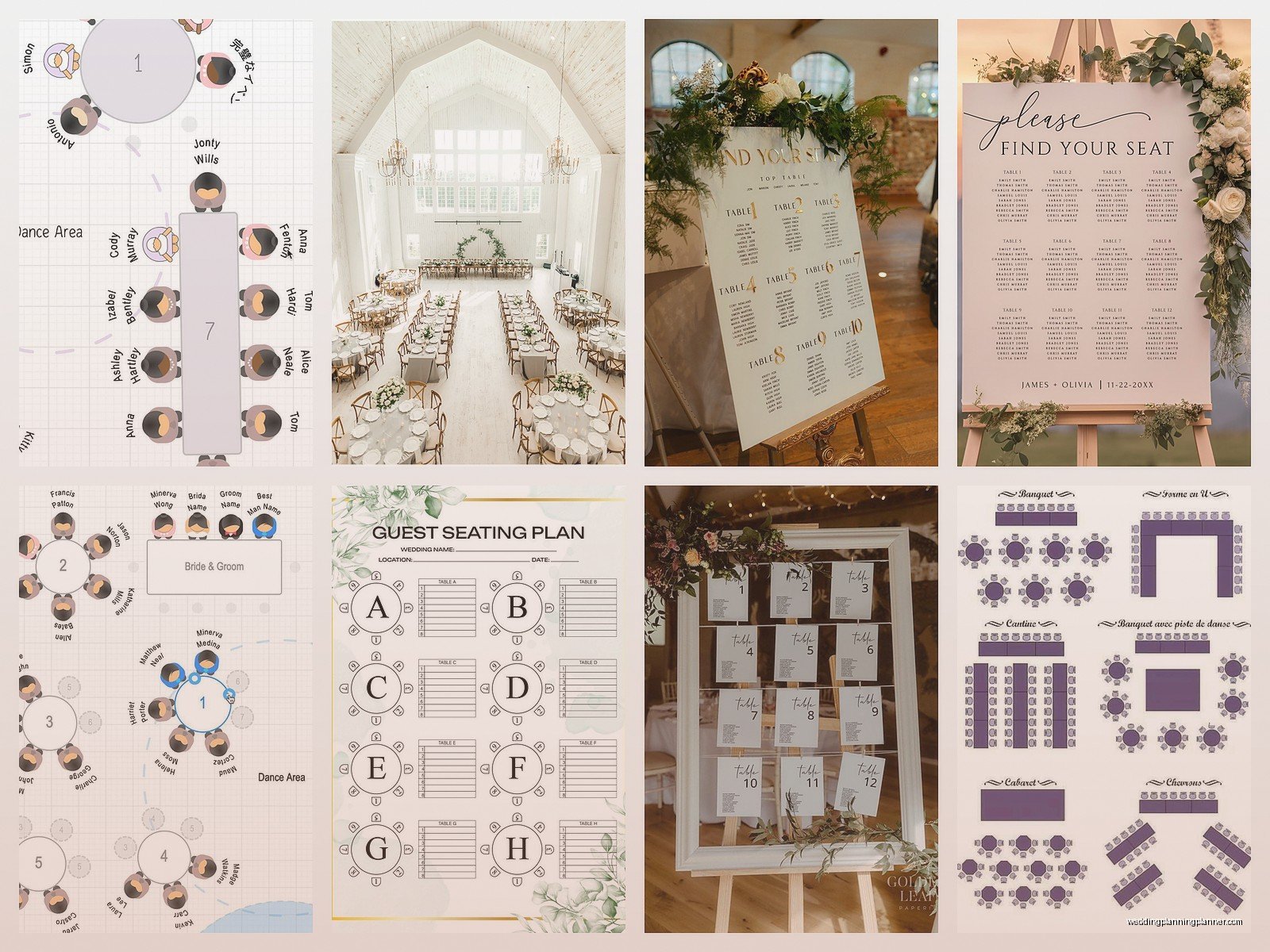
You need to tell people where to sit and there are like a million ways to do this. The classic is a big board or frame with table assignments listed alphabetically by last name. You can also do escort cards which are little cards with each guest’s name and table number.
Whatever you choose make sure it’s BIG and LEGIBLE. I’ve seen couples do these gorgeous calligraphy seating charts that are completely unreadable from more than two feet away and then you have 150 people crowding around squinting at it. Use a large font, organize alphabetically, and put it somewhere with good lighting near the entrance to the reception.
Some people do assigned seats instead of just assigned tables which is… a lot of work and honestly kinda controlling? I usually recommend just assigning tables and letting people choose their specific seat at that table. Adults can figure out where to sit once they’re at the right table.
The timeline for getting this done
You can’t finalize your seating chart until you have final numbers which is usually about 2 weeks before the wedding. But you should start the rough draft way earlier like 2-3 months out. That gives you time to think about it, get input from your partner and maybe your parents, and not feel rushed.
I recommend doing the first draft, then sleeping on it, then looking at it again with fresh eyes. You’ll catch things like “oh wait we can’t put these two people together” or “this table is all couples except one person that’s awkward.”
Technology can help but also make it worse
There are apps for this – AllSeated, WeddingWire’s tool, others. They let you drag and drop guests onto tables and see a visual layout. This is helpful for visual people but some of them have a learning curve. Honestly a spreadsheet and some scratch paper works just fine if you’re not into tech.
During that stressful situation in spring 2023 with the client who had divorced parents, we literally used post-it notes on poster board and moved them around until we found something that worked. Sometimes low-tech is the way to go because you can see everything at once.
Table numbers vs table names
This is purely personal preference but table names (like cities you’ve visited together, favorite books, whatever) are cute but they make it harder for guests to find their seats. With numbers people immediately understand the system – lower numbers are closer to you, higher numbers are farther away. With names there’s no logic and people wander around confused.
If you do names, still assign them numbers in your planning process so you can keep track of everything. Just display the names on the actual day.
What to do about the people who complain
Some guests will complain about their table assignment and you know what? That’s their problem not yours. Unless you genuinely made a mistake (like seating someone with their ex-husband which yes I’ve seen happen) then stick to your plan. You thought about this carefully and you don’t need to justify your decisions to every person who thinks they deserve a better seat.
The entitlement is real and it’s annoying. I’ve had wedding guests call the bride days before the wedding demanding to be moved to a different table because they didn’t like who they were seated with. Unless there’s a genuine conflict or safety concern the answer is no.
Special considerations you might not think about
If you’re having a head table with your wedding party, their partners need to sit somewhere. Don’t just scatter them randomly – put them together at a table near the head table so they’re not alone all night. This is actually really important for keeping everyone happy.
Vendors who are staying for dinner (like your photographer or coordinator) need a seat too. Usually they get their own table away from the main action where they can take a break. Factor this into your count.
People who are giving speeches should be seated where they can easily get to the microphone. Don’t put your best man in the far corner if he’s got to give a toast.
And honestly I’m gonna say this even though it sounds obvious – make sure you and your partner actually like where you’re sitting. I’ve seen couples so focused on everyone else that they end up in a weird spot where they can’t see anything or they’re too far from their families and then they’re bummed during dinner.
The backup plan because stuff happens
Print extra copies of your seating chart. Keep one with you, give one to your coordinator, give one to the venue. People will ask you where they’re sitting on the wedding day and you need to be able to answer quickly.
Also be prepared for no-shows. Usually 5-10% of people who RSVP yes don’t actually show up (which is rude but whatever). Don’t panic if there are empty seats – it happens at literally every wedding. The venue can remove extra place settings during dinner service.
Last minute additions are trickier but a good venue can usually squeeze in an extra chair or two if needed. This is why you tip your venue coordinator well – they handle this stuff so you don’t have to.
The whole process is gonna feel overwhelming at some point and you might wonder why you didn’t just do a cocktail party with no assigned seating but honestly assigned seating is better because it prevents cliques and ensures everyone has a spot and feels included even if they don’t know many people