Planning Guides, Style Guide
Cute Wedding Cards: Design & Ordering Guide
Jun
Okay so wedding cards are basically make-or-break for first impressions
The save-the-dates and invitations are literally the first physical thing your guests get, and I’ve seen couples stress about this more than they stress about their actual vows. Which is kinda backwards but also I totally get it because you want something that feels like YOU, not like you grabbed a template from 2015 and called it done.
First thing – you gotta figure out your timeline. Save-the-dates should go out 6-8 months before the wedding, invitations about 8-10 weeks before. I had this couple in spring 2023 who ordered their invites 4 weeks before their wedding date and then were shocked when half their guests hadn’t RSVP’d with two weeks to go. Like… yeah, people have lives and calendars to coordinate. Give them time.
What makes a wedding card actually “cute” versus just nice
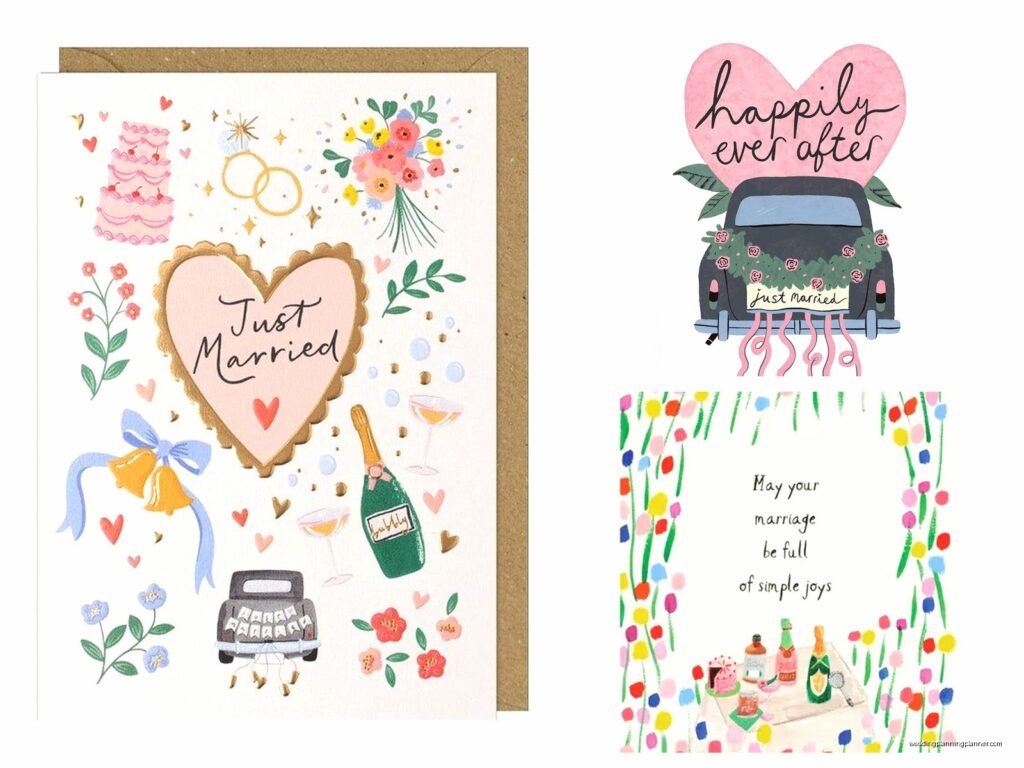
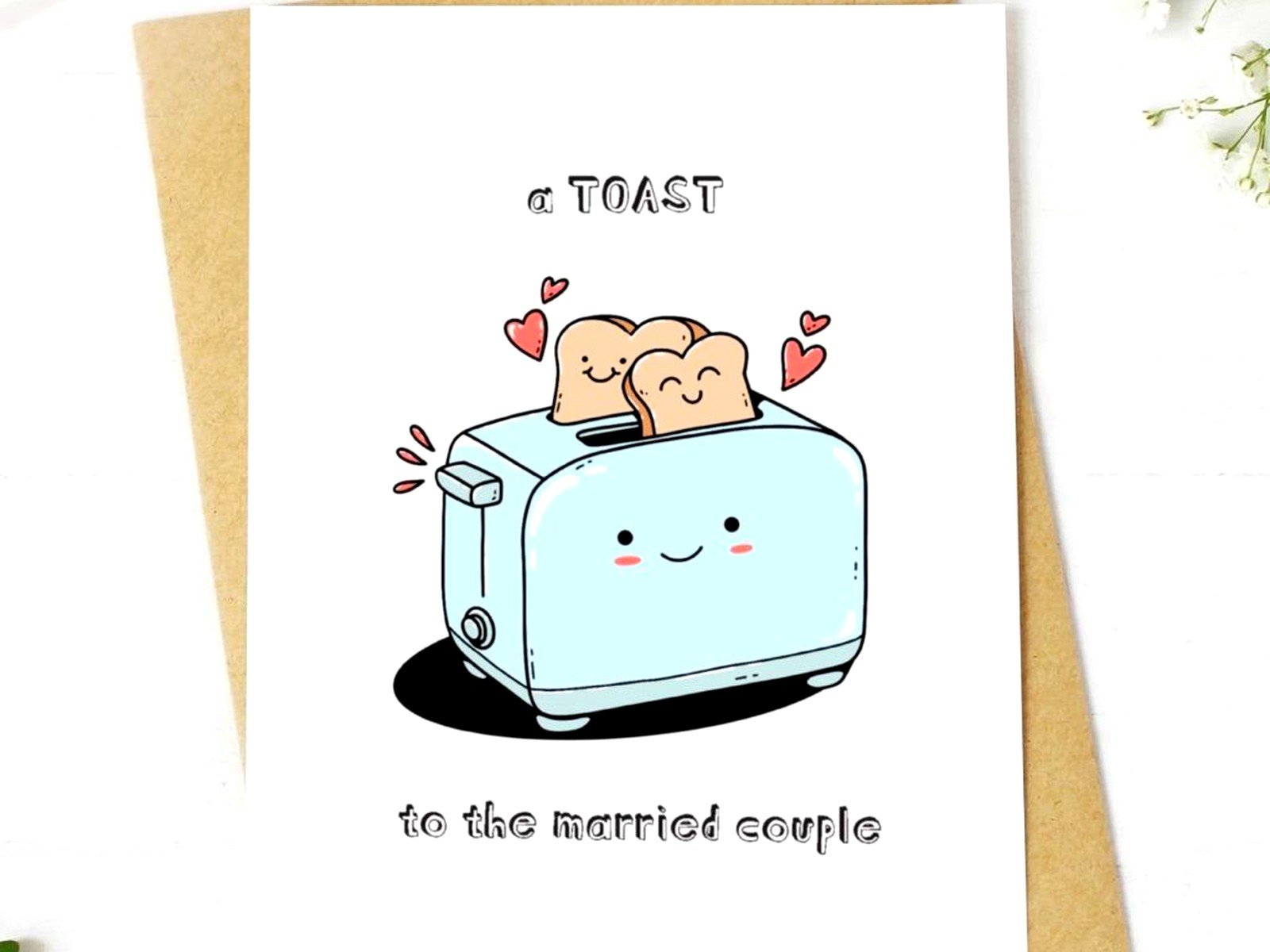
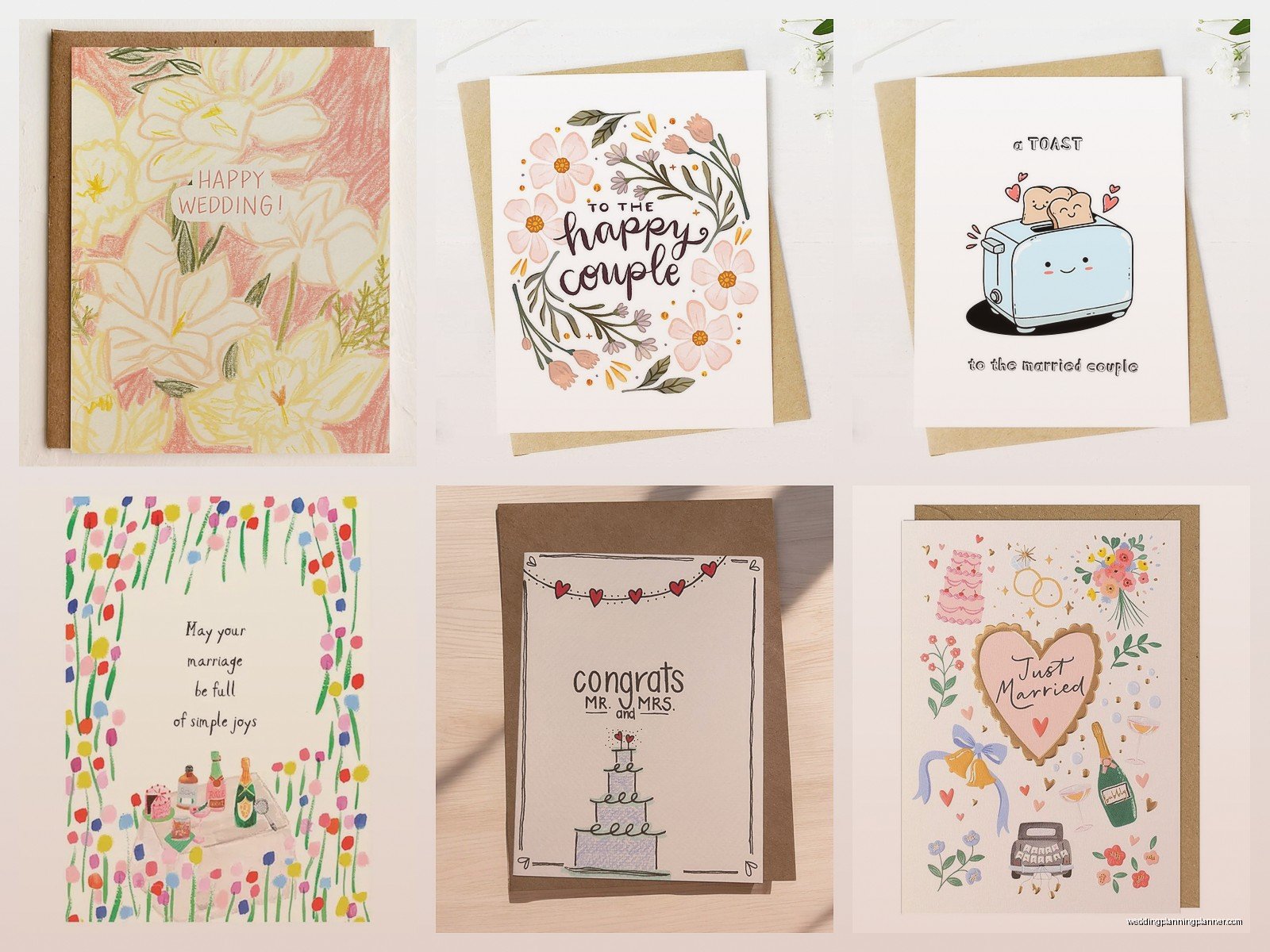
This is subjective obviously but after planning like a million weddings (okay it’s more like 200+ but who’s counting), cute usually means it has personality. It’s playful without being unprofessional. It might have illustrations instead of photos, or hand-lettering, or unexpected color combos that shouldn’t work but totally do.
Some elements that read as cute:
- Watercolor anything – florals, landscapes, abstract shapes
- Custom illustrations of you two (with your dog, at your favorite coffee shop, whatever)
- Quirky fonts mixed with classic serif fonts
- Unexpected colors like sage green + terracotta, or dusty blue + gold
- Little details like wax seals, belly bands, or vellum overlays
- Fun wording that breaks the stuffy wedding announcement rules
What annoys me is when people think “cute” means “informal to the point of being rude” – like I saw one invitation that said “Come party with us, formal attire required” and the tone was just… off. You can be playful and still respectful of the event you’re hosting.
Design route one: DIY templates
If you’re on a budget or just want full control, Canva and similar platforms have actually gotten really good. I used to be super snobby about DIY invitations but honestly some of the Canva ones look professionally designed now. You can customize everything – colors, fonts, layout, add your own photos or illustrations.
The trick with DIY is printing. Do NOT just print these at home on your inkjet printer unless you want them to look like a school project. Take the files to a professional printer. FedEx Office, local print shops, or online services like Catprint or PrintRunner will give you way better paper quality and color accuracy.
Paper weights matter more than you think. For invitations, you want at least 110lb cardstock, preferably 130lb. Save-the-dates can be slightly lighter. And pay attention to finish – matte, glossy, or textured all give different vibes.
My DIY tips from watching couples struggle
- Create everything in CMYK color mode, not RGB, or your colors will print weird
- Add bleed to your design (usually 0.125 inches on all sides)
- Order a proof first before printing 150 invitations
- Leave enough white space – cramming too much info makes it hard to read
- Proofread like 47 times because I once had a bride print “Saterday” and didn’t notice until they arrived
Design route two: semi-custom from online companies
This is probably where most couples land. Companies like Minted, Zola, Paperless Post (they have physical options now), Greenvelope, and Artifact Uprising let you pick a design and customize it with your info, colors, sometimes fonts.
Minted is my go-to recommendation because their designs are actually cute and current. They have this thing where they crowdsource designs from independent artists, so you’re getting stuff that doesn’t look like every other wedding. Plus they offer free recipient addressing which saves you SO much time. You upload your guest list and they print the addresses directly on the envelopes. Changed my life, not even exaggerating.
Zola is great if you’re already using them for your registry because you can coordinate everything in one place. Their designs tend to be more modern-minimalist though, so if you want something really illustrative or whimsical, look elsewhere.
Price-wise, you’re looking at maybe $1.50-$4 per invitation suite depending on how fancy you go with paper upgrades, foiling, etc. A full suite usually includes the invitation, RSVP card, details card, and envelopes for everything.
What to watch for with online companies
Samples are your friend. Most places let you order samples for like $5-10 each. Order a few options before committing because what looks good on screen might feel wrong in person. I had a client fall in love with a navy and gold design online and when the sample arrived it looked basically black – the navy was so dark it didn’t read right.
Also turnaround times vary wildly. Some companies are 2-3 weeks, others are 6+ weeks especially during peak wedding season (basically April through October). Plan accordingly or you’ll be that person stressing about whether your invites will arrive in time.
Design route three: custom designer or stationer
If you want something totally unique and have the budget ($800-$3000+ for full suites), hiring a stationer is amazing. You’ll work with them to create something from scratch based on your wedding style, colors, venue, whatever inspiration you bring.
I work with several stationers regularly and the process usually goes: initial consultation, mood board/concept, first draft, revisions (usually 2-3 rounds), final approval, printing. Timeline is typically 3-4 months from start to finish so you need to plan ahead.
Custom designers can do things the template companies can’t – like actual watercolor paintings, hand calligraphy, custom illustrations, letterpress, foil stamping in exact Pantone colors, weird sizes and folds. One of my favorite suites ever was for a summer 2021 wedding (during all the chaos, that was a stressful year) where the stationer created a tri-fold invitation that opened like a storybook with illustrated scenes from the couple’s relationship. Guests were obsessed.
To find a good stationer, check Instagram hashtags like #weddingstationery or #customweddinginvitations, ask your wedding planner (hi), or look at real wedding features on blogs to see who designed invites you love.
What information actually needs to be on there
Okay so the invitation itself needs:
- Who’s getting married (full names, however you want to style them)
- Date and time
- Venue name and city/state (full address goes on details card or wedding website)
- Reception information if it’s same location (“dinner and dancing to follow”)
- Dress code if it’s not obvious from the formality of the invitation
The RSVP card needs a deadline (usually 3-4 weeks before the wedding), a way for guests to respond (pre-addressed stamped envelope or wedding website), and ideally meal choices if you’re doing plated dinner.
Details card is where you put your wedding website, hotel block info, transportation details, whatever else people need to know. Don’t cram this onto the main invitation, it looks cluttered.
Wording stuff that trips people up
Traditional wording has the bride’s parents listed as hosts (“Mr. and Mrs. John Smith request the honour of your presence…”) but like, that’s not how most weddings work anymore. You can list both sets of parents, just the couple, whoever’s actually hosting. There are no real rules anymore, just do what feels right.
One thing though – if you’re having an adults-only wedding, DO NOT write “adults-only reception” on the invitation. That’s tacky. Address the envelopes only to the adults invited and put info about it being an adult celebration on your website or details card more subtly. Or have your parents/wedding party spread the word.
Envelope addressing because apparently this is complicated now
You’ve got options: hand calligraphy (expensive, $3-8 per envelope), digital calligraphy/printing (what Minted does for free), labels, or just… writing them yourself neatly.
Hand calligraphy is gorgeous but unless you’re hiring it out, it’s gonna take you forever. I tried addressing my own save-the-dates once and my cat knocked over the ink bottle onto like 20 finished envelopes and I almost cried. Just saying, protect your workspace.
For formal weddings, outer envelopes are more formal (Mr. and Mrs. John Smith) and inner envelopes are more casual (John and Sarah). But most people skip inner envelopes now unless they’re doing a really traditional formal wedding because it’s extra cost and kinda wasteful?
Ordering quantities and the math nobody tells you about
Order 10-15% more than your guest count. You’ll want extras for keepsakes, last-minute additions, mistakes, whatever. If you’re inviting 100 guests, order 110-115 invitation suites.
For save-the-dates, you need one per household, not per guest. So if you’re inviting 150 people but that’s 75 couples/families, you need 75 save-the-dates.
RSVP cards need their own envelopes and you need to put stamps on them. Yes, you pay for postage twice – once to mail the invitation, once for the return RSVP. It’s annoying but that’s how it works. Although honestly more couples are doing online RSVPs now through their wedding website which saves money and is way easier to track.
Postage is weirdly complicated
If your invitation is square, oversized, thick, or has wax seals or ribbons, it costs extra postage. Take a fully assembled invitation to the post office and have them weigh it before you buy stamps. A standard invitation is usually fine with regular stamps but if you’ve added vellum overlays and a wax seal you might need $1+ in postage.
Also you can get custom stamps through USPS now which is a cute detail if you’re into that sorta thing. Or vintage stamps from Etsy sellers, though you’ll pay a premium.
Timeline for getting this done without losing your mind
Working backwards from your wedding date:
10-12 months before: Order save-the-dates, get them addressed and mailed by 8-10 months before
6 months before: Start designing invitations if going custom, or browsing options if using online company
4 months before: Finalize invitation design, place order
10-12 weeks before: Invitations arrive, start addressing them (or have already uploaded addresses for printing)
8-10 weeks before: Mail invitations
3-4 weeks before: RSVP deadline
This timeline assumes normal turnaround times and no major delays. If you’re getting married during peak season or around holidays, add buffer time because everything takes longer.
Common mistakes I see literally all the time
Forgetting to include RSVP deadline. Guests will just… not respond if you don’t give them a date.
Not putting your wedding website on any of the materials. That’s where all the actual useful info lives now, so like, tell people it exists.
Choosing a font that’s impossible to read. Script fonts are pretty but if your 70-year-old aunt can’t read the address, what’s the point.
Ordering invitations before you’ve finalized your timeline or venue details. I’ve seen people have to reorder entirely because they changed their ceremony time or decided to switch venues. Expensive mistake.
Not ordering enough or ordering way too many. 15% extra is the sweet spot.
Assembling invitations wrong – there’s usually an order to how things stack (invitation on bottom, then details card, then RSVP card facing up with its envelope). Look up assembly instructions or ask your stationer.
My actual favorite design combos right now
Terracotta and sage with cream/ivory base – very organic and warm
Navy and burgundy with gold foil accents – classic but not boring
Dusty blue and mauve with hand-drawn botanical illustrations
Black and white with one pop of color (like emerald green or deep red)
Pressed flowers or greenery embedded in handmade paper – expensive but stunning
I’m also seeing a lot of arch motifs, celestial themes (moons, stars), and Mediterranean-inspired designs lately. The ultra-minimalist all-white-with-one-line-of-text thing is kinda fading out which honestly I’m not mad about because it always felt a bit cold to me even though I recommended it to clients who wanted modern…
Oh and QR codes are becoming normal now on details cards linking to your wedding website. Used to be considered tacky but post-2020 people are just used to scanning things and it’s actually practical.
Budget real talk
You can absolutely do cute wedding cards on a budget. I’ve seen gorgeous DIY Canva designs printed locally for under $200 total for 100 invitations. I’ve also seen couples spend $5,000 on hand-painted custom suites with letterpress and wax seals and silk ribbons.
Average is probably $400-800 for invitation suites plus another $150-250 for save-the-dates if you’re using semi-custom online companies. That includes basic postage but not fancy extras.
If you’re trying to save money: skip save-the-dates entirely and just send invitations earlier, do digital RSVPs instead of cards, choose standard sizes and weights, print through an online service instead of custom stationer, limit your color palette to keep printing costs down.
Where it’s worth spending extra: good quality paper (makes a huge difference in how it feels), recipient addressing if you have a big guest list, one special detail like foiling or letterpress on just the main invitation.
Honestly the most important thing is that your cards give guests the information they need and feel like they match your wedding vibe. Nobody’s gonna remember if you used 110lb or 130lb cardstock but they will remember if your invitation was confusing or if it felt totally disconnected from the actual event they showed up to.