Planning Guides, Style Guide
Cardstock for Wedding Invitations: Paper Weight Guide
Jun
Okay so cardstock weights are honestly one of those things nobody tells you about until you’ve already ordered 150 invitations that feel like napkins
The first thing you gotta know is that paper weight in the US gets measured in pounds, which makes zero sense when you’re holding a single piece of paper, but here we are. It’s based on how much 500 sheets of that paper weighs in its uncut size. So when someone says “80lb cardstock” they mean 500 full sheets weigh 80 pounds before they get cut down to invitation size.
For wedding invitations, you’re basically looking at weights between 65lb and 130lb cover stock. Anything under 65lb is gonna feel flimsy and cheap, trust me. I had this bride in spring 2023 who insisted on 60lb because she found it cheaper online and when the invitations arrived she literally called me crying because they felt like printer paper. We had to rush-order new ones and it was a whole thing.
The Basic Weight Categories You Actually Need to Know
So here’s how I break it down for clients, and honestly this is after years of touching probably thousands of paper samples:
65lb-80lb Cover: This is your minimum for invitations. It’s got some substance but it’s still pretty flexible. You can fold this easily if you’re doing like a bifold invitation or a program. I use this weight a lot for RSVP cards or detail cards that go inside the main invitation. It’s not gonna impress anyone but it won’t embarrass you either.
100lb-110lb Cover: This is where most of my brides end up honestly. It’s the sweet spot. Feels substantial when you hold it, doesn’t bend or flop around, but it’s not so thick that it becomes a postage nightmare. If you’re printing at home or using a local print shop, this weight works great because most printers can handle it without jamming.
120lb-130lb Cover: Luxury territory. This stuff feels expensive because it is. Heavy, sturdy, makes a statement when someone pulls it out of the envelope. But here’s the thing that annoyed me for years until I just started warning everyone upfront—this weight sometimes needs extra postage. You’ll be at the post office with your beautiful invitations and they’ll slap a $1.20 stamp requirement on you instead of the regular forever stamp. Budget for that.
Cover vs Text Weight (This Confuses Everyone)
Okay so there are two different measurement systems and they overlap in weird ways. Cover stock is thicker, stiffer cardstock. Text weight is thinner, more like what you’d use for the inside pages of a book or—well, actually I don’t recommend text weight for the main invitation card itself, but you might see it listed.
Here’s where it gets confusing: 80lb cover stock is WAY thicker than 80lb text weight. They’re measured against different base sizes. So when you’re shopping online or talking to a printer, make sure you’re clear about whether you’re looking at cover or text. I’ve seen this mix-up happen so many times and people end up with paper that’s completely wrong for what they needed.
Generally for invitations you want cover stock. The only time I use text weight is maybe for vellum overlays or tissue paper inserts, and even then I’m looking at heavier text weights.
What Weight for What Piece
Your invitation suite usually has multiple components right? So you don’t need everything to be the same weight, which actually saves money and creates nice variety.
Main invitation card: Go for 110lb cover minimum. This is the star of the show, the piece that announces your wedding. Don’t cheap out here. I usually recommend 110lb-120lb.
RSVP cards: These can be lighter since they’re smaller. 80lb-100lb cover works perfectly fine. Nobody’s judging the weight of your RSVP card, I promise.
Detail cards: Same as RSVP cards. 80lb-100lb is totally acceptable. These are for accommodation info, wedding website, directions, whatever.
Envelope liners: If you’re doing DIY liners, you actually want something lighter and more flexible. 60lb-70lb text weight is perfect because it needs to fold and glue smoothly inside the envelope without creating bulk.
My cat just knocked over my coffee while I’m writing this so if this section seems scattered that’s why…
The Postage Issue Nobody Mentions Until It’s Too Late
This is huge and I cannot stress it enough. The post office doesn’t just weigh your invitation—they also check the thickness and rigidity. So even if your invitation technically weighs under 1 ounce, if it’s thick or rigid or has a wax seal or ribbon, you’re gonna need extra postage.
Here’s what I tell everyone: assemble ONE complete invitation exactly how you plan to send them all. Take it to the post office and have them weigh it and check it. They’ll tell you the exact postage needed. Do this like 3 months before your mail date, not the week before. Trust me.
Summer 2021 I had a bride who didn’t do this and she mailed 200 invitations with regular stamps. About half got returned for insufficient postage and the other half got delivered with those annoying “postage due” stickers. Her guests had to pay to receive her wedding invitation. It was mortifying for everyone involved.
Printing Method Matters for Weight Selection
If you’re doing digital printing at home on your inkjet or laser printer, you’re probably limited to about 110lb cover. Most home printers start jamming or refusing to feed anything heavier. Check your printer specs before you buy paper.
Professional digital printing can usually handle up to 130lb cover no problem. Letterpress actually works better with softer, thicker paper—like 118lb-220lb cotton paper—because the impression needs to sink into the paper.
Foil printing and thermography work on various weights but you’ll want at least 100lb so the paper doesn’t curl or warp from the heat.
Texture and Finish Affect How Weight Feels
This is where it gets kinda subjective but also important. A smooth 100lb cardstock feels different than a textured 100lb cardstock. The textured one might actually feel more substantial even though they’re technically the same weight.
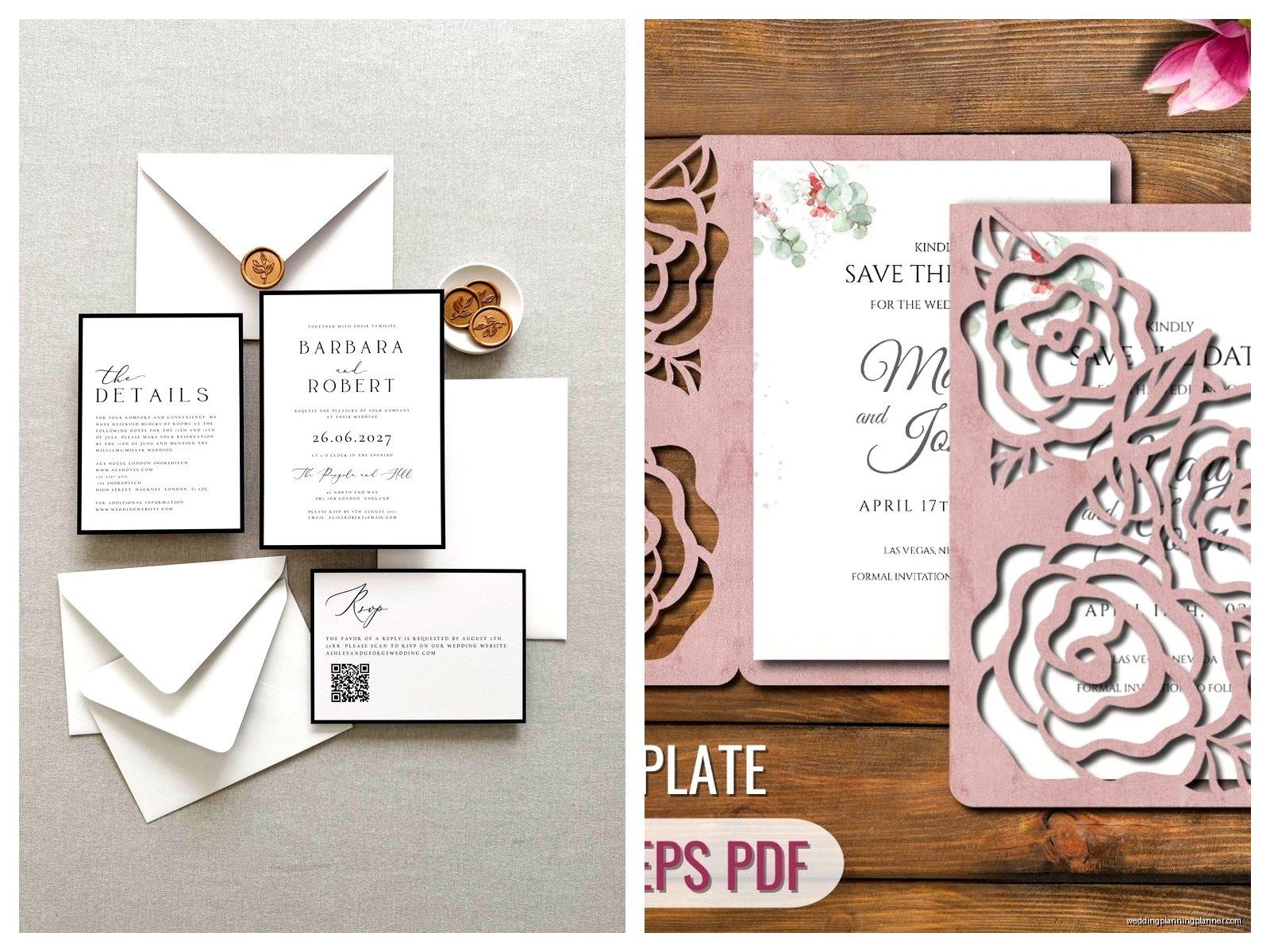
Smooth/Matte finish: Shows off printing beautifully, especially fine details and typography. Professional and clean. The weight is what you feel—there’s no texture to add bulk.
Linen or laid texture: Has those subtle lines pressed into the paper. Adds a classic, formal feeling. Makes the paper feel slightly more substantial than the actual weight.
Felt or cotton texture: Softer, more organic feeling. This is that expensive letterpress paper texture. Even at 110lb it feels luxurious because of the tactile quality.
I personally love linen texture for traditional weddings and smooth matte for modern minimalist designs, but that’s just like, my opinion.
Color and Weight Perception
Okay this might sound weird but darker colored cardstock feels heavier than light colored cardstock even at the same weight. I think it’s a psychological thing? A 110lb navy cardstock seems more substantial than 110lb white. I’ve tested this theory with brides who can’t decide and it holds up pretty consistently.
Also white and ivory cardstock shows thickness better along the edges. If you want people to really notice your thick luxe paper, lighter colors showcase that better.
Where to Buy and How to Test
Don’t just order based on specs online. You gotta touch the paper. Most paper companies will send sample packs for like $5-15 and it’s the best money you’ll spend. I order samples from:
- Cards & Pockets (great for DIY, tons of colors)
- Paper Source (good retail option if you have a store nearby)
- LCI Paper (wholesale, need to order larger quantities)
- Neenah Papers (industry standard, professional quality)
When you get samples, do this: hold each weight in your hand, try to bend it, see how it feels when you shake it slightly like someone opening an envelope would. Put it in an actual envelope and pull it out. This tells you so much more than numbers on a screen.
The Budget Reality Check
Heavier paper costs more, obviously. But it’s not just the paper—if you’re paying for professional printing, they often charge more for heavier stocks because it’s harder on their equipment and takes longer to print.
If you’re working with a tight budget, here’s my move: splurge on 110lb or 120lb for the main invitation card only, then use 80lb for everything else. Nobody’s gonna notice that your RSVP card is lighter weight. They will notice if your main invitation feels cheap.
You can also save by going with a lighter weight but choosing a textured finish that adds perceived quality. A 100lb linen cardstock can feel nicer than a 110lb smooth cardstock.
Special Considerations for Different Invitation Styles
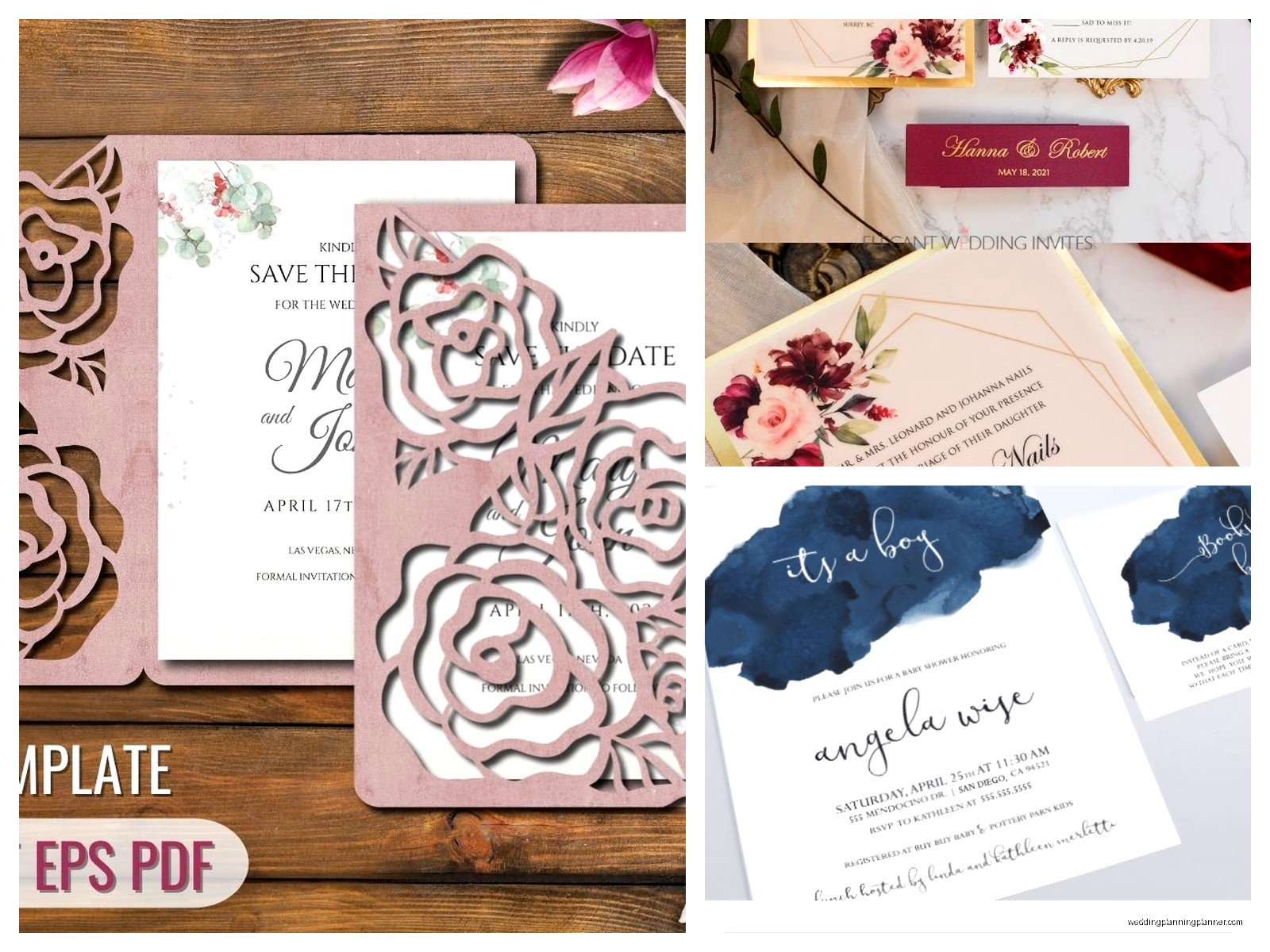
Pocket invitations: The pocket itself should be sturdy—120lb minimum. The cards that go inside can be lighter since they’re protected and supported by the pocket.
Folded invitations: You need something that folds cleanly without cracking. 80lb-100lb cover works best. Anything heavier and you’ll get a bulky fold or the paper might crack along the fold line, especially if it’s a dark color.
Postcard style: These need to be thick enough that the post office won’t reject them—100lb minimum, but I’d go 110lb. They go through sorting machines and get beaten up more than enveloped invitations.
Layered invitations: If you’re doing that trendy thing with multiple layers stacked and tied with ribbon, you can vary the weights. Bottom layer heaviest (120lb), middle layer medium (100lb), top layer could even be vellum or lighter weight for contrast. Just make sure the whole stack doesn’t become so thick it won’t fit in the envelope or becomes a postage monster.
Common Mistakes I See All the Time
People order paper without checking their printer’s maximum weight capacity. Then they’re stuck with unusable paper or they have to pay for professional printing which wasn’t in the budget.
Ordering exact quantities with no extras for mistakes. Paper jams happen, printing errors happen, you’ll spill coffee on one (speaking from experience). Order at least 10-15% extra.
Not considering the envelope weight in combination with the invitation weight. If you’ve got a 130lb invitation plus two 100lb insert cards plus a lined envelope, you’re definitely in extra postage territory.
Forgetting that darker colors and printing can add weight. A heavily printed invitation with full color coverage weighs more than the blank cardstock weight suggests.
Oh and trying to use regular scissors to cut heavy cardstock—get a paper trimmer or have it professionally cut because trying to cut 120lb cardstock with scissors is gonna give you carpal tunnel and wonky edges.
My Actual Recommendation If You’re Overwhelmed
Just go with 110lb cover stock in a smooth or linen finish. It’s the Goldilocks weight—not too light, not too heavy, works with most printers, feels quality, usually doesn’t need extra postage if you keep your suite simple. I’ve used this weight for probably 60% of my weddings and nobody has ever complained.
If you want to feel fancy and have some budget room, bump the main invitation to 120lb and keep everything else at 100lb. That’s my personal favorite combination.
And seriously, order those sample packs. You might read this whole guide and then touch a 100lb cardstock and realize it’s perfect for you, or you might need that 130lb heavyweight to feel satisfied. Paper is tactile and personal and sometimes you just gotta feel it to know.