Planning Guides, Style Guide
Long Table Seating Plan: Complete Guide
May
Why Long Tables Are Actually Kind of a Pain (But Also Amazing)
Okay so long table seating plans have exploded in the past few years and honestly I get why couples are obsessed with them. They look incredible in photos, they create this whole family-style vibe, and they’re kinda different from the standard round table setup that everyone’s been doing forever. But here’s the thing—they require way more planning than you’d think.
I had this wedding back in spring 2023 where the bride was absolutely set on long tables for her 180-person reception and we spent literally three hours on the floor of her living room with tape marking out table dimensions because she didn’t believe me when I said they wouldn’t fit the way she imagined. Spoiler: I was right, and we had to totally redesign the layout.
The Actual Logistics You Need to Figure Out First
Before you get all excited about long tables, you gotta measure your venue space. Like actually measure it, not just eyeball it. Long tables are typically either 8 feet or 6 feet in length, and they’re usually about 30 inches wide. You need to leave at least 3 feet between tables for people to walk, servers to pass through, and honestly just so people don’t feel like they’re crammed in there.
Here’s what I do with every client: get the venue’s floor plan with actual dimensions, then use one of those online seating chart tools or even just graph paper if you’re old school like me sometimes. Each person needs about 24 inches of space at the table—some people say 20 inches but trust me, once you add centerpieces and serving platters for family-style dining, that gets tight real fast.
The Math Part Nobody Wants to Do
An 8-foot table seats about 8-10 people comfortably—4-5 on each long side. You can technically squeeze people at the ends too, but then it gets awkward because those end seats are kinda weird for conversation and they’re usually the first ones where people complain they can’t see or talk to anyone properly.
For a 6-foot table, you‘re looking at 6-8 people. I usually go with the lower number if there’s gonna be a lot of food or decor on the table itself.
One thing that really annoyed me early in my career was when venues would tell couples “oh yeah, we can totally do long tables” without actually checking if their tables were the right height or if they even had enough of the same style. Mismatched table heights look absolutely terrible and there’s not much you can do to fix it besides renting all new tables.
Different Layout Options Because One Size Doesn’t Fit All
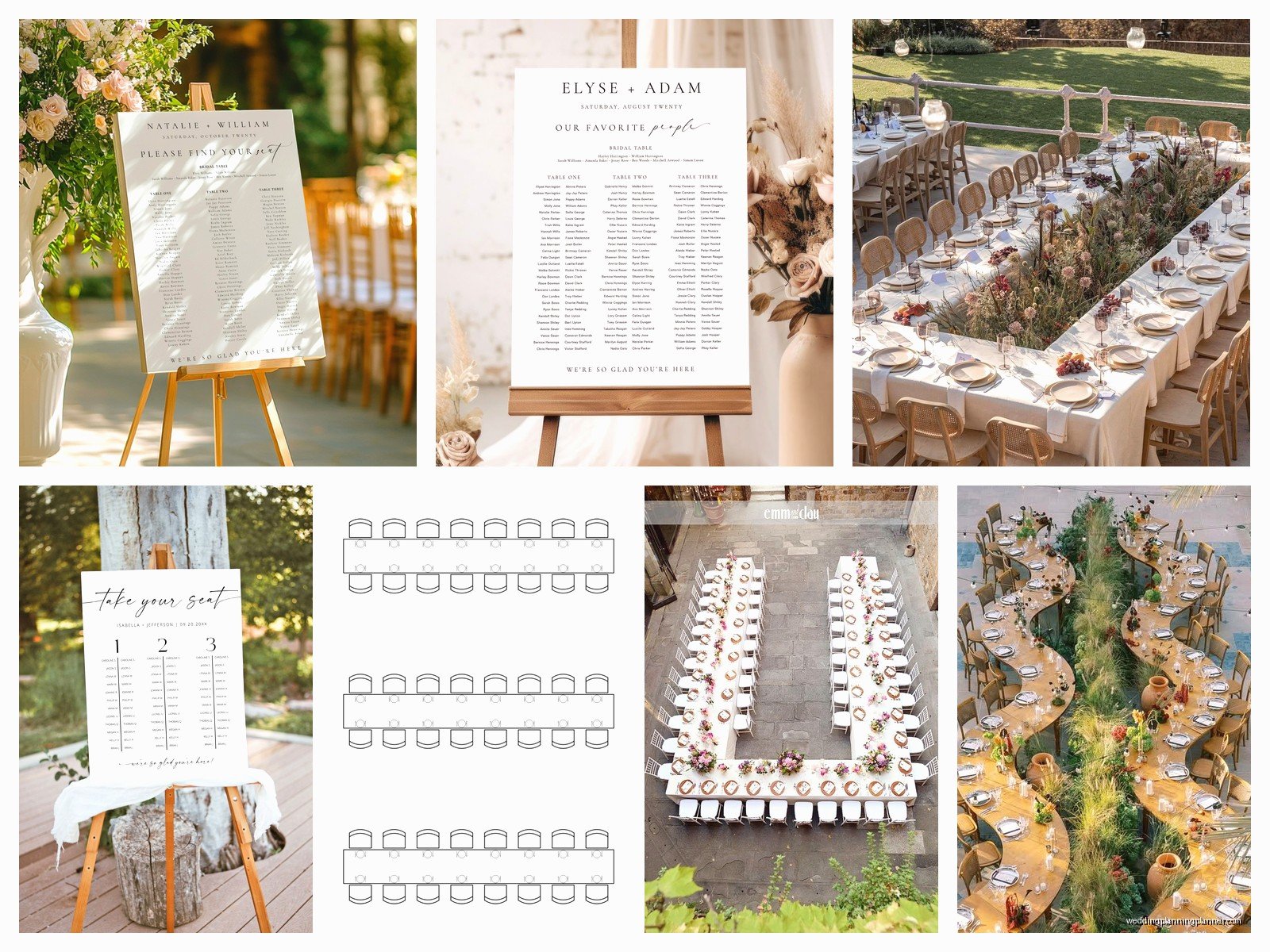
You’ve got several ways to arrange long tables and each one creates a completely different feel and has different pros and cons.
Parallel Rows
This is probably the most common setup—multiple long tables running parallel to each other. It works great for rectangular rooms and it’s the easiest for servers to navigate. The main issue is that people are basically only talking to the folks directly across from them and next to them, so you gotta be really thoughtful about who sits where.
I usually do 3-4 rows maximum because anything more than that and the people in the back feel like they’re at a completely different party. Also the couple’s table should definitely be at the front or center so everyone can actually see them.
Herringbone or Chevron Pattern
This is where tables are angled toward a central point, usually where the head table is. It looks really cool and it means more people have a better view of the couple and the dance floor or wherever the action is happening. But—and this is a big but—it takes up way more space than parallel rows and it can make the room feel cluttered if you don’t have enough square footage.
One Giant U-Shape or Horseshoe
For smaller weddings (like under 60 people), you can arrange tables in a U-shape so everyone’s facing inward. This creates amazing energy because everyone can kinda see everyone else and it feels super intimate. The middle of the U is perfect for the dance floor or entertainment.
My cat knocked over my coffee while I was drawing out a U-shape plan last week and the stain actually helped me realize we needed more space between the bottom of the U and the wall, so… thanks, Miso?
One Massive King’s Table
For really small weddings—like 30 people or less—some couples do one giant long table or a few tables pushed together. This is peak family-style dining vibes but you need a venue with a really long room or an outdoor space where you can set this up. Also be prepared for it to take like 20 minutes for food to make it from one end to the other if you’re doing family-style service.
The Seating Chart Part That Makes Everyone Crazy
Okay so this is where long tables get tricky and honestly where most of my stress comes from as a planner. With round tables, you can kinda isolate groups—like all the college friends at one table, all the work people at another. With long tables, everyone’s in a row, so you’re creating these long chains of people who need to get along and have stuff to talk about.
Group People by Connection But Think About Conversation Flow
You want to seat people with others they know, obviously, but you also need to think about how conversations will work. If you put all the super loud, outgoing people on one side of the table and all the quiet people on the other, it’s gonna be weird. Mix up personality types so there’s balance.
I usually start by listing out all the “groups”—family, college friends, work friends, bride’s side, groom’s side, etc. Then I assign each group to a table or a section of a table. The key is to put the more socially comfortable people at the ends or edges of groups because they’ll naturally bridge conversations with neighboring groups.
The Head Table Situation
You’ve got options here. Some couples do a sweetheart table just for the two of them, which honestly makes the seating chart easier because you don’t have to figure out where the wedding party sits. But if you want the wedding party at a head table, you need to decide: wedding party only, or wedding party plus their dates?
Wedding party plus dates is more considerate but takes up way more space. I had a wedding where the head table was supposed to be 8 people but ended up being 16 once we added dates, and we literally had to rent a 16-foot table which was insane and barely fit.
Another option is to have the wedding party scattered throughout the reception at different tables with their dates, which helps balance out the room and ensures every table has someone who knows the couple well.
Dealing With Difficult Seating Situations
Divorced parents, family drama, people who don’t get along—this stuff is even trickier with long tables because you can’t just put them on opposite sides of the room. You need to put enough people between them that they’re not within easy conversation distance. I usually aim for at least 4-5 people between anyone who has tension.
Also think about who’s near the speakers or the band. Some people (usually older guests) really don’t want to be right next to the music, so put them farther away. The younger crowd who’s gonna be dancing anyway can handle the louder tables.
Practical Tips I Wish Someone Had Told Me Earlier
Number your tables in a way that makes sense for the layout. With long tables, I usually number them starting from the table closest to the head table or entrance, but you could also do odds on one side and evens on the other if you have two clear sections.
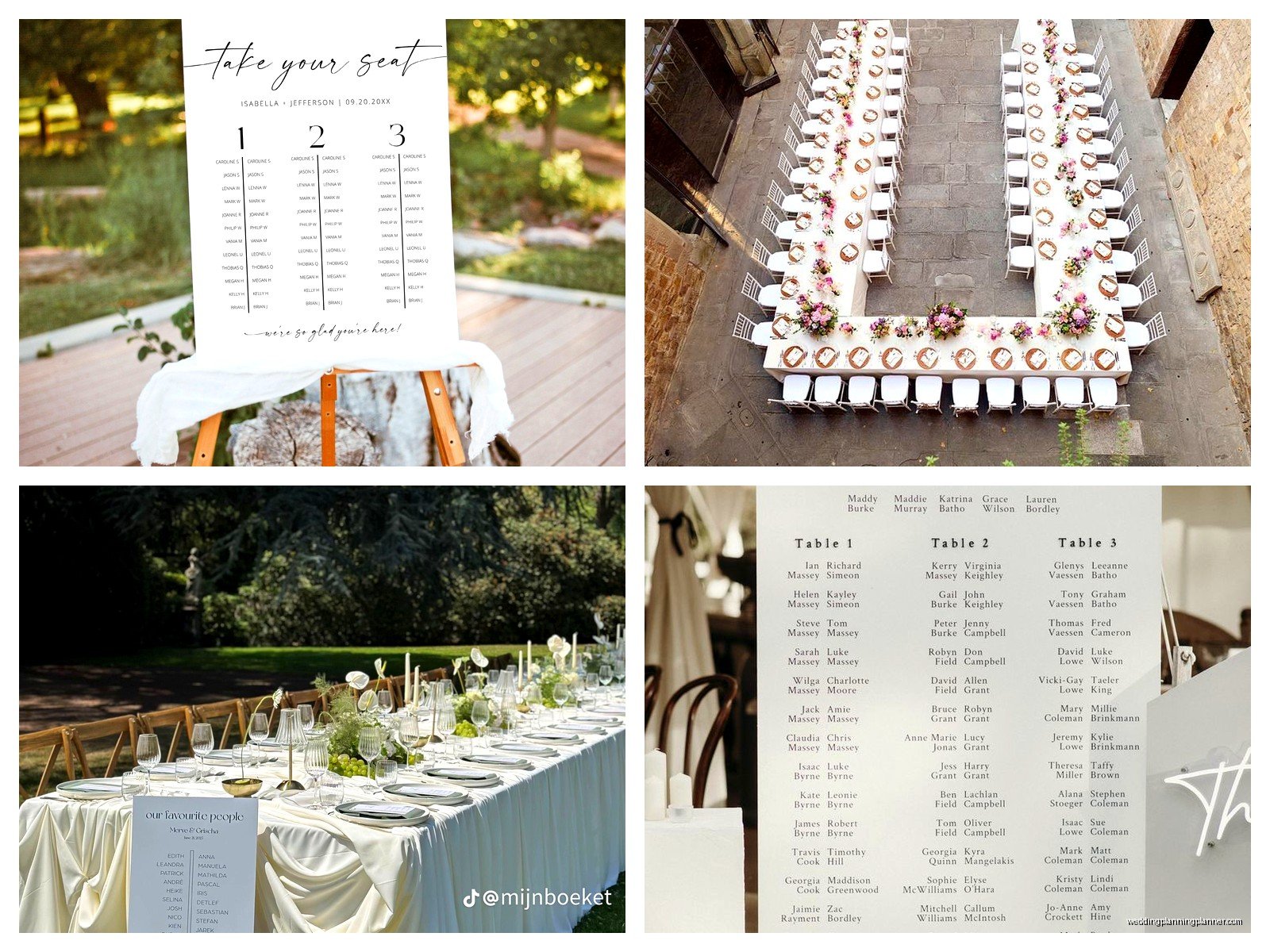
Make sure you have a clear seating chart display at the entrance. With long tables, you can’t just say “Table 3″—you need to specify which table and ideally show a little map because “Table 3” could be in multiple places depending on your layout.
Think about table decor differently. Long tables need different centerpieces than rounds—you usually want multiple lower arrangements running down the length of the table instead of one tall centerpiece in the middle. Otherwise people can’t see each other and that defeats the whole purpose of the intimate long table vibe.
If you’re doing family-style food service, you need to leave extra space in the center of the table for serving dishes. I learned this the hard way at a wedding where we had these elaborate centerpieces and then the caterer showed up with huge platters and there was literally nowhere to put them, so we ended up having to move half the decor to a side table which looked… not great.
The Escort Card vs. Place Card Thing
You’re probably gonna want both with long tables. Escort cards at the entrance tell people which table they’re at, then place cards at each seat tell them exactly where to sit. Without place cards, you get that awkward thing where people are standing around the table trying to figure out where to sit and it takes forever.
Some couples skip place cards and just let people choose their own seats at their assigned table, which can work for a really casual wedding but usually results in couples sitting next to each other and single people feeling awkward about where to sit.
What Could Go Wrong (Because Stuff Always Does)
Last-minute guest count changes are way harder to accommodate with long tables. If three people cancel from a round table of 10, you just remove three place settings and it’s fine. If three people cancel from the middle of a long table setup, you’ve got gaps in your seating arrangement that look weird in photos and mess up your carefully planned conversation groups.
I always build in a little flexibility by having one “flex” table that can absorb additions or where I can move people around if needed. Usually this is a table of friends who are laid-back and won’t care if their seating changes.
The other thing is that long tables take longer to serve—servers have to walk the length of each table instead of just circling around a round one. If you’re on a tight timeline or you have a venue with a strict end time, this matters. Talk to your caterer about timing and maybe add an extra 15-20 minutes to your service time estimate.
Backup Plans for Outdoor Setups
If you’re doing long tables outside, you need a serious rain plan. Long tables under a tent are fine, but moving them is a huge pain if weather changes last minute. Make sure your venue or rental company knows the plan for weather contingencies.
Also think about sun position if it’s an afternoon or evening wedding—nobody wants to be staring directly into the setting sun during dinner, so orient your tables accordingly.
The Tools That Actually Help
I use a mix of digital tools and old-school methods. AllSeated is great for 3D floor plans, Social Tables works well too. But honestly sometimes I still sketch stuff out on paper first because it’s faster for brainstorming.
Excel or Google Sheets is your friend for tracking the actual guest list and assignments. I have a template where I list every guest, their meal choice, their group/relationship to the couple, any seating restrictions, and then their assigned table and seat number. It sounds intense but it saves so much confusion later.
Take photos of your final layout from the walk-through or mock-up—you’d be surprised how often day-of setup teams get things wrong or forget the specific arrangement you wanted, and having photos makes it way easier to fix quickly.
Random Things That Matter More Than You’d Think
Chair style makes a difference with long tables. Cross-back chairs or Chiavari chairs look amazing but they’re all the same width. If you’re using benches on one or both sides, the aesthetic is super cool and rustic but you lose flexibility in seating numbers—you can’t just squeeze one more person onto a bench as easily as you can add another chair.
The table linens situation is different too—long tables usually look better with runners instead of full tablecloths, or sometimes no linen at all if you have nice farm tables or wood tables. But then you gotta make sure the table surfaces are actually nice enough to leave bare.
Lighting matters more with long tables because you’ve got these long narrow areas to illuminate. String lights running above the tables look gorgeous, or you can do candles down the center, but make sure there’s enough light that people can actually see their food and each other. I went to a wedding once where the long tables were so dimly lit it was basically like eating dinner in a cave and people kept knocking over glasses because they couldn’t see them.
When to Actually Use Long Tables vs. When to Skip Them
Long tables work best for: casual or rustic weddings, farm or barn venues, outdoor celebrations, smaller guest counts (under 150), couples who want a family-style or community dining feel, and venues with rectangular or long narrow spaces.
They’re not ideal for: very formal weddings, venues with lots of columns or architectural obstacles, really large guest counts (over 200 gets complicated), or situations where you have a lot of complicated family dynamics and need maximum separation options.
If your venue has a square room, round tables honestly make better use of the space. I’m not gonna tell you to use long tables just because they’re trendy if they don’t actually work for your specific situation—that’s how you end up with a cramped, awkward reception where people are bumping into each other all night.