Planning Guides, Style Guide
Modern Invitation Design: Design & Ordering Guide
Apr
Okay so modern invitation design isn’t what it was even five years ago
The whole landscape has shifted and honestly it’s kinda exciting but also overwhelming if you don’t know where to start. I’m gonna walk you through how to actually design and order invitations in 2024 because the rules have changed and some of the old etiquette stuff? Doesn’t really apply anymore.
First thing – you need to decide if you’re going digital, print, or hybrid. Most couples now do a combo which makes total sense from a budget perspective but also just practically. Your save-the-dates can be digital, your formal invitation can be print, and your day-of details can live on a wedding website. There’s no shame in mixing formats anymore and anyone who tells you otherwise is stuck in like 2010.
Timeline stuff you actually need to know
Save-the-dates should go out 6-8 months before your wedding. Formal invitations need to be mailed 8-10 weeks out for local guests, 12 weeks if you’ve got international people coming. I had this client in spring 2023 who wanted to mail everything 4 weeks before her wedding and I literally had to sit her down and explain that people need time to like… arrange their lives? Book hotels? Request time off work? She thought because everything moves fast on social media that wedding timelines could too and nah, that’s not how it works.
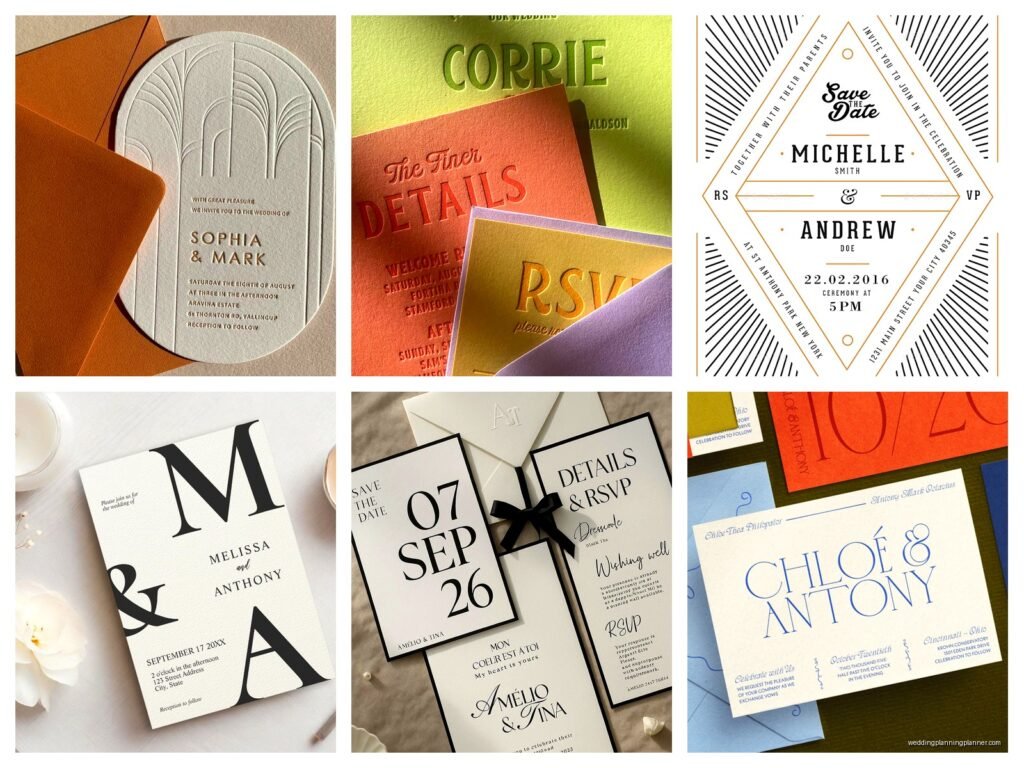
When you’re designing, start with your vibe. I know that sounds so generic but seriously – are you black-tie formal, garden party, modern minimalist, vintage romantic? Your invitation is the first impression of your wedding day and it sets expectations. If you send out a super casual kraft paper invitation with hand-drawn florals, people aren’t gonna show up expecting a ballroom with crystal chandeliers.
The actual design process
You’ve got a few routes here. You can hire a custom stationer ($$$$), use a semi-custom online service like Minted or Paperless Post ($$), do a template from Etsy or Canva ($), or design from scratch yourself (free but time-consuming). Most people land somewhere in the middle because fully custom can run you $2000-5000 easy depending on how elaborate you go.
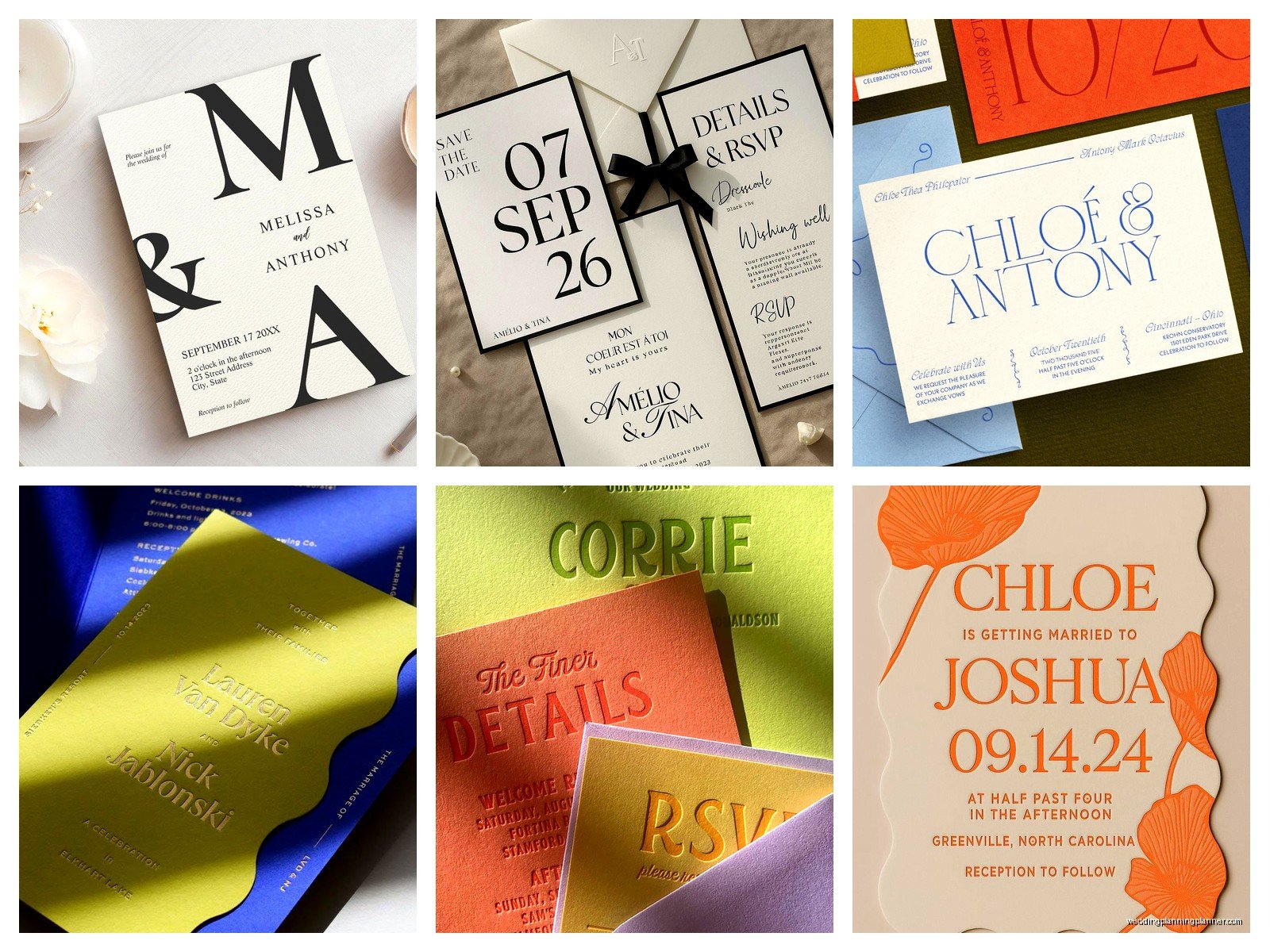
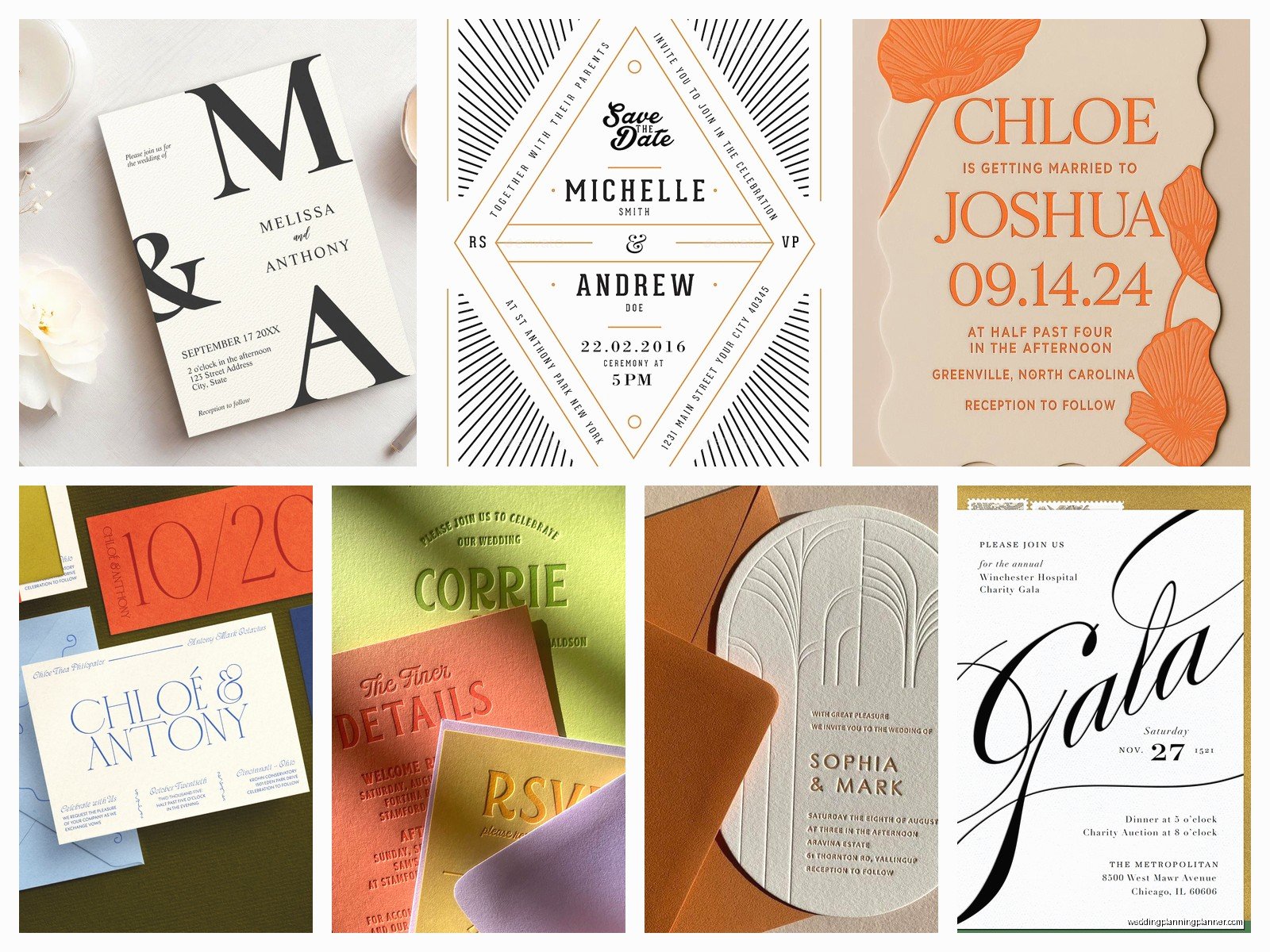
If you’re working with a designer, give them like 3-4 examples of invitations you love. Don’t send them 47 Pinterest screenshots because that’s just… it’s too much and the designer can’t figure out what you actually want. I’ve been on the receiving end of that and it’s so frustrating trying to pull a cohesive vision from someone’s entire Pinterest board that has everything from rustic barn vibes to ultra-modern geometric designs.
Color wise – you don’t have to match your wedding colors exactly. Actually sometimes it looks better if you don’t? Your invitation can pull one or two accent colors from your palette or just complement the overall vibe. I did my own wedding invitations in a dusty blue when my actual wedding colors were sage green and cream, and it worked because the tone was right.
What actually needs to be on the invitation
Here’s where people get confused and honestly the rules are more flexible now. At minimum you need:
- Who’s getting married (full names, and yeah you can do “Jordan Smith & Casey Jones” instead of the super formal “Mr. Jordan Michael Smith and Mx. Casey Lynn Jones”)
- Date and time
- Venue name and city/state
- Some indication of what happens after (reception to follow, dinner and dancing, etc.)
- How to RSVP and by when
The whole “Mr. and Mrs. Jonathan Hartford request the honour of your presence” thing? You can keep it if that’s your vibe but you absolutely don’t have to. More couples now are doing “Together with their families” or just their own names hosting. If your parents are paying, yeah, tradition says their names go first but modern etiquette says do whatever feels right for your family situation.
One thing that annoyed me recently – and I’m gonna rant for a second – is when couples put their wedding website URL in huge font on the invitation itself. Like I get it, the website has important info, but the invitation should be beautiful and clean. Put the website on a separate details card or even just in smaller text at the bottom. Your invitation isn’t a billboard for your URL.
Paper and printing methods actually matter
Okay so this is where you can really blow your budget or save money depending on what you choose. Digital printing is the most affordable and looks great for most designs. Letterpress is gorgeous and super trendy but expensive – you’re looking at $800-2000 for 100 invitations. Foil stamping is that shiny metallic look and falls somewhere in the middle price-wise.
Paper weight matters more than you’d think. You want at least 110lb cardstock for the main invitation. Anything thinner feels cheap and flimsy. I usually tell clients to go 120lb if budget allows because it just feels substantial when someone pulls it out of the envelope.
Textured paper (cotton, linen, felt) adds a luxury feel without adding tons of cost. My cat actually knocked over my entire sample book last week and I’m still finding paper swatches under the couch but anyway – when you’re choosing paper, look at it in person if possible because screens don’t show texture or true color.
Ordering the right quantity
This trips people up constantly. You don’t need one invitation per guest – you need one per household or couple. So if you’re inviting 150 people but 50 of them are couples and 25 are families, you might only need like 90-100 invitations. Always order 15-20 extras though for keepsakes, last-minute additions, or mistakes.
Most printers have price breaks at certain quantities (25, 50, 100, etc.) so sometimes ordering 100 instead of 85 is only like $30 more and worth it for the extras.
Envelope addressing is its own whole thing
You can handwrite them (time-consuming but personal), print directly on envelopes (modern and clean), use printed labels (kinda outdated looking honestly), or hire a calligrapher ($$$). There are also digital calligraphy services now where they create a font from real calligraphy and print it, which looks really good and costs way less than hand calligraphy.
For formal weddings, outer envelopes should have full names and no abbreviations. Inner envelopes (if you’re using them, which most people skip now) can be more casual. But like… if you’re having a backyard wedding, just print the addresses in a nice font and call it a day. Match the formality to your event.
One modern thing that’s totally acceptable – including parents’ names on family invitations even if the kids are older. “The Anderson Family” works fine. You don’t need to list out “Mr. and Mrs. Robert Anderson, Miss Emily Anderson, and Mr. Christopher Anderson” unless you’re going for ultra-traditional.
RSVP cards and other inserts
RSVP cards used to always come with a pre-stamped return envelope and honestly that’s still the polite thing to do if you’re going the paper route. But most couples now do online RSVPs through their wedding website and it’s just… easier for everyone? You can track responses in real time, people can’t lose the card, and you’re not buying stamps.
If you do paper RSVPs, make the deadline 3-4 weeks before your wedding. You need time to give final counts to your caterer and make a seating chart. I had a couple in summer 2021 who made their RSVP deadline 2 weeks out and it was absolute chaos because half the cards came in late and they were scrambling to finalize everything.
Other inserts you might include: details card with hotel info and transportation, reception card if it’s at a different location, weekend events card if you’re doing welcome drinks or brunch. Don’t go overboard though – more than 4-5 inserts and it starts feeling like junk mail.
Assembly and mailing
The traditional assembly order is: invitation on bottom, tissue paper (optional and kinda outdated), reception card, details card, RSVP card and envelope on top. Everything faces up so guests can read it as they pull it out. Put the whole stack in the envelope so they see the invitation first when they open it.
Weigh your full invitation at the post office before you buy stamps. Most invitations need extra postage because they’re heavy or square-shaped (which costs more, annoying but true). Nothing worse than having invitations returned for insufficient postage.
Hand-canceling is when the post office processes your invitations by hand instead of through the machine, which prevents damage and looks nicer. Most post offices will do it if you ask nicely and bring them already stamped. Some charge a small fee but it’s worth it for fancy invitations.
Digital invitation etiquette
If you’re going fully digital, Paperless Post, Greenvelope, and Joy are the main platforms. They look professional and track RSVPs automatically. The etiquette is basically the same as paper – send them 8-10 weeks out, include all the same info, make them beautiful.
One thing though – older guests might not be as comfortable with digital, so consider their tech literacy. My grandmother would have absolutely no idea what to do with a digital invitation and would probably just… not respond? So know your audience or be prepared to make phone calls for RSVPs.
You can also do digital save-the-dates and paper invitations, which is probably the most common approach now. Saves money on the save-the-dates but keeps the formal invitation traditional.
Wording for modern families
This is where etiquette has changed the most. Divorced parents, same-sex couples, couples hosting themselves, non-binary individuals – the old rules don’t cover like half of modern situations. The key is just being respectful and clear about who’s who.
If your parents are divorced and both hosting, list them on separate lines. If you’ve got stepparents involved, include them too. If you’re hosting yourselves, just put your names. If one parent is deceased, you can say “daughter of Mrs. Patricia Jones and the late Mr. Robert Jones” or just not mention parents at all.
For same-sex couples, alphabetical order by last name works, or whoever’s closer with the host family goes first if parents are hosting. There’s no set rule and honestly just do what feels right.
The word “honour” vs “honor” – the U makes it more formal and traditional, but it’s totally a style choice now. Same with “request the pleasure of your company” (for ceremonies not in a house of worship) vs “request the honour of your presence” (for religious ceremonies). Most people don’t know the difference anyway so don’t stress about it.
Proofing is SO important
Read your proof like seventeen times. Have other people read it. Check the date, day of the week (make sure they match!), spelling of the venue, all names, times, everything. I’ve seen invitations go out with the wrong year, wrong venue address, bride’s name spelled wrong… it happens more than you’d think and it’s expensive to reprint.
Most online services give you a digital proof to approve. Some stationers will send a physical proof for big orders. Don’t skip this step or rush through it because you’re excited to just order already.
Order samples if you’re using an online service. Like actually order the sample kit and see the paper quality in person before you commit to 150 invitations. Sometimes what looks good on screen feels cheap in person or the color is totally different than you expected and—
Okay I think that covers most of what you actually need to know. The main thing is just don’t let perfect be the enemy of good, pick a style that actually represents you as a couple, give yourself enough time to design and order without rushing, and remember that people mostly just need to know when and where to show up. Everything else is extra.