Planning Guides, Style Guide
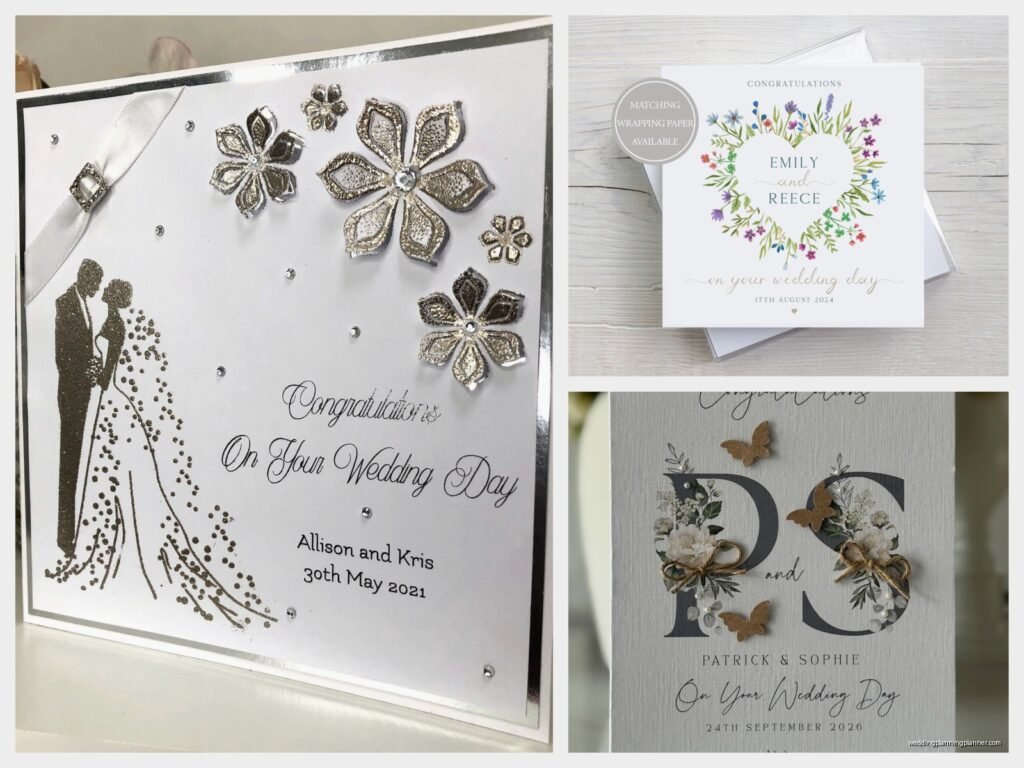
Personalised Wedding Cards: Custom Name & Date Designs
May
Getting Started With Custom Name and Date Cards
So you want personalised wedding cards with your names and date on them. Smart move honestly because generic cards feel kinda blah when you’re spending this much money on a wedding. I had this couple in spring 2023 who ordered 200 invitations without any personalisation and then saw their friend’s custom ones at another wedding and literally came back asking if we could reorder everything. That was… a whole thing.
First thing you gotta figure out is WHERE you want the personalisation. I’m talking about save-the-dates, invitations, RSVP cards, menu cards, programs, thank you notes, and even those little escort cards. You don’t need to go crazy on every single item but pick your battles. Most couples do the full custom treatment on invitations and save-the-dates because those are what people actually keep sometimes.
Design Elements That Actually Matter
Your names and date can be displayed like a million different ways and this is where people get overwhelmed. You’ve got traditional formats like “Sarah and Michael” or more modern stuff like “S & M” with the full names below (though maybe avoid those specific initials because yikes). The date can be written out fully “Saturday, the Twenty-Third of June, Two Thousand Twenty-Five” or just “06.23.2025” or literally anything in between.
Font pairing is gonna make or break your design. You want one fancy font for your names usually and then a simpler readable font for everything else. I see people pick two script fonts and then nobody can read anything and it looks like a ransom note made by someone with really nice handwriting. Pick one decorative font maximum.
What really annoys me is when couples choose a font that’s trendy right now but will look dated in like three years. Remember when everyone was obsessed with that thick brush lettering? Yeah. I mean if you love it go for it but just know that your wedding photos with those invitations might feel very 2019 when you look back.
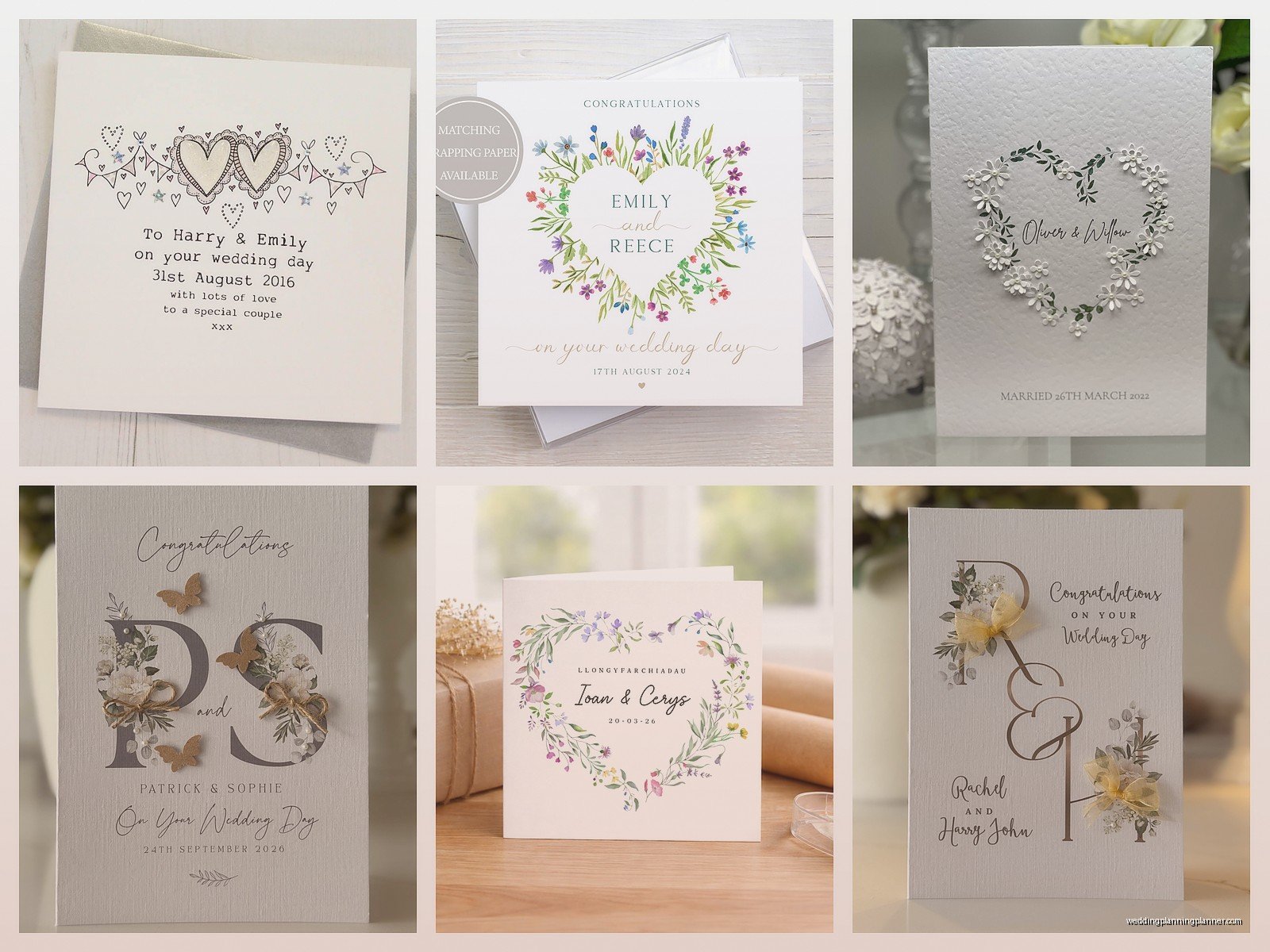
Monograms are their own beast. You can get a custom monogram designed with your new shared initial or intertwined initials or a floral wreath around your initials or… the options are endless which is both good and bad. A custom monogram from a designer runs anywhere from $50 to $300 depending on complexity. You can also find pre-made templates on Etsy for like $15 but then you might see your exact monogram on someone else’s Pinterest board.
Working With Designers vs DIY Templates
You’ve basically got three routes here. Full custom design with a stationer or designer, semi-custom templates from sites like Minted or Zola, or completely DIY with Canva or similar programs.
Full custom means you’re working with someone like me (well not me specifically but you know what I mean) who will create something from scratch based on your wedding colours, venue, vibe, whatever. This usually starts around $500 for a full invitation suite and can go up to several thousand if you want fancy printing techniques. The benefit is you get exactly what you want and it’s truly unique. The downside is time and money obviously.
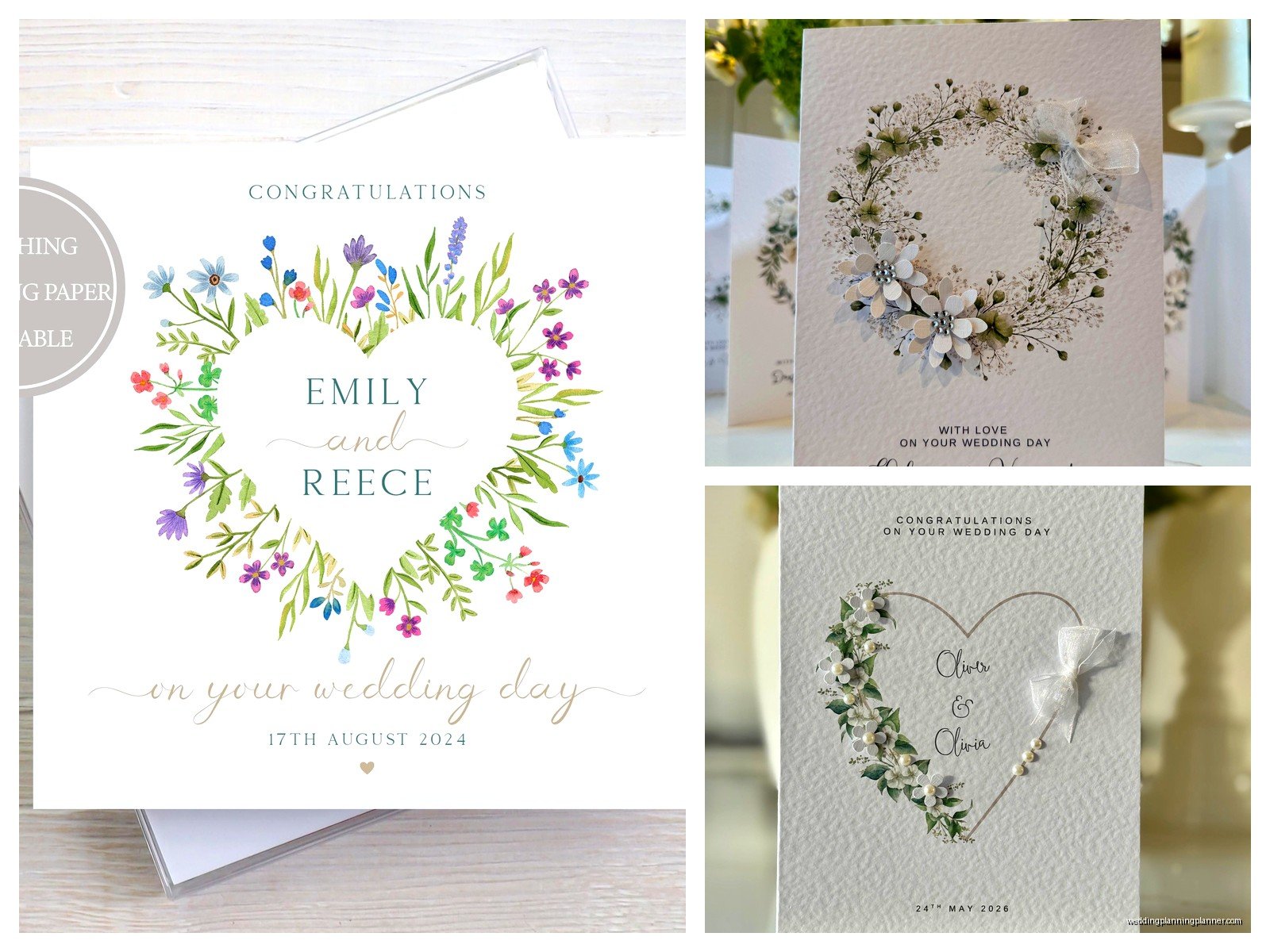
Semi-custom templates are the middle ground that most couples end up choosing. You pick a design you like, plug in your names and details, maybe change some colours, and boom you’re done. Sites like Minted, Paperless Post, Zola, and Greenvelope make this really easy. You can usually see a proof before ordering and prices are more reasonable—like $200-400 for 100 invitations including envelopes.
DIY is great if you’re crafty or have a clear vision and also need to save money. Canva has wedding templates now and they’re actually pretty good. You can customize everything, download the files, and either print at home or send to a print shop. Just make sure you understand bleed and trim marks if you’re going to a professional printer because I’ve seen some disasters where people… anyway, just ask the printer what file specs they need.
Personalisation Details People Forget About
It’s not just slapping your names on there and calling it a day. Think about what information actually needs to be personalised versus what’s standard. Your names obviously, the date, probably the venue location. But then there’s stuff like:
- Custom wedding hashtags if you’re doing that (I have opinions about hashtags but that’s another topic)
- Personalised RSVP dates that give you enough buffer time
- Custom wording that reflects your relationship—like if you’re hosting the wedding yourselves versus parents hosting
- Dress code mentioned in a way that matches your style
- Special accommodation details for out-of-town guests
One thing that gets missed a lot is making sure your date format is clear. If your wedding is on June 3rd and you write 6/3/25, that’s fine for American guests but international guests might read it as March 6th. Writing it out fully eliminates confusion.
Printing Methods and How They Affect Personalisation
Alright so this matters more than you’d think. Digital printing is the most affordable and works great for most designs. Your names and date will look crisp and clean, colours are accurate, and turnaround is quick. This is what most online services use.
Letterpress is gorgeous and has that pressed-into-the-paper texture that feels expensive because it is expensive. It works beautifully with simple personalised designs—think just your names and date in a classic font. Super detailed designs don’t always translate well to letterpress though.
Foil stamping is having a moment and I get it because shiny gold or rose gold names look really pretty. You can foil stamp your names and date while printing the rest digitally which keeps costs down. Foil is usually an upcharge of like $1-3 per card depending on how much foil coverage you want.
Thermography is kind of old school but it creates raised printing that feels fancy when you run your finger over it. It’s cheaper than letterpress but gives you that dimensional effect. Good option if you want your names to literally stand out.
My cat just knocked over my coffee while I’m writing this so if this section seems distracted that’s why.
Timeline For Ordering Custom Cards
You need more time than you think. Save-the-dates should go out 6-8 months before the wedding which means you need to order them like 8-10 months out to account for design time, proofing, printing, and shipping. For custom designs add even more buffer.
Invitations typically go out 8 weeks before the wedding (6 weeks minimum for local guests, 12 weeks if lots of people are traveling). So you’re ordering those like 4-5 months before the wedding date. This gives you time to get the design right, receive them, address them (which takes FOREVER), and mail them with enough time for people to RSVP.
Here’s a rough timeline I give clients:
- Start looking at designs and styles 9-10 months before wedding
- Choose designer or template 8-9 months out
- Finalize save-the-date design 8 months out
- Order save-the-dates 7-8 months out
- Mail save-the-dates 6-7 months out
- Start invitation design 5 months out
- Finalize and order invitations 4 months out
- Address and mail invitations 2 months out
Rush fees are real and they’re expensive so don’t procrastinate on this. I mean you will probably procrastinate anyway because everyone does but at least you’ll know it’s gonna cost extra.
Matching Your Personalisation to Your Wedding Style
Your card design should give guests a hint about what kind of wedding they’re attending. Formal black-tie wedding? Your names probably shouldn’t be in a casual handwritten font. Beach wedding? Maybe skip the heavy traditional script and go for something lighter and more relaxed.
Color choices matter too. If your wedding colours are dusty blue and mauve, incorporating those into your card design helps everything feel cohesive. You don’t have to match exactly but being in the same colour family helps. Some couples do neutral invitations and then add their wedding colours through envelope liners or belly bands which is a nice compromise.
Seasonal considerations are worth thinking about too. Fall wedding? Maybe your personalised design includes leaf motifs around your names. Winter wedding? Snowflakes or evergreen branches. Spring or summer? Florals are always safe but you could also do something more modern and geometric if that’s your thing.
Wording Your Personalised Details
There are traditional formats and then there’s what actual humans say. Traditional format is like “Mr. and Mrs. John Smith request the honour of your presence at the marriage of their daughter Sarah Elizabeth to Michael Robert Jones” which is fine but kinda stuffy.
Modern wording might be “Sarah Smith and Michael Jones invite you to celebrate their wedding” or even “Let’s get married! Sarah & Michael want you there” for super casual vibes. Do what feels right for you and don’t let some etiquette book from 1950 tell you how to word your own wedding invitation.
If you’re including both sets of parents it gets wordier and you need to figure out how to list everyone especially if there are stepparents or divorced parents who may or may not want to be listed together. This is where a good stationer earns their money because we’ve seen every family situation and can help you navigate it diplomatically.
Proofing Your Custom Cards
Triple check everything before you approve the final proof. I had a couple in summer 2021 who approved their invitations and then realized they’d put the wrong year on the date. We caught it before printing thank god but it was close. Check your names spelling, date, time, venue address, website if you included one, and literally every single word.
Have someone else read it too because you’ll miss your own typos. Your brain autocorrects mistakes when you’ve been staring at the same design for weeks. Fresh eyes catch things like “recpetion” instead of “reception” or the wrong venue name.
If you ordered a physical proof definitely look at it in person before approving the full print run. Colors look different on screen versus printed and you want to make sure you’re happy with how your names and date actually appear on paper. Some printers charge for physical proofs but it’s worth it for expensive orders.
Cost Breakdown For Personalised Cards
Budget-wise you’re looking at huge range. DIY Canva templates printed at home might cost you $50 total for 100 invitations if you already have a decent printer. Semi-custom online templates usually run $2-5 per invitation so $200-500 for 100. Full custom with a designer starts around $5-8 per invitation and can go up to $20+ per invitation for fancy printing techniques.
Don’t forget about the other costs though. Envelopes are usually included but envelope addressing is often extra—$1-3 per envelope for calligraphy or printed addresses. Postage is currently 73 cents for a regular invitation or more if yours is heavy or oversized. Stamps add up fast when you’re mailing 150 invitations.
Save-the-dates are usually cheaper than invitations since they’re simpler. You can expect to pay 30-50% less than your invitation cost. So if invitations are $500, save-the-dates might be $200-250.
Digital Alternatives
Look I know some people are gonna judge but digital invitations are totally acceptable now especially after 2020 changed everything. Paperless Post and Greenvelope have beautiful personalised designs that include your names and date and all the custom details you want. They’re way cheaper (often free for basic designs or like $50-100 for premium), environmentally friendly, and you can track RSVPs automatically.
The downside is they feel less special to some guests and older relatives might miss them or not know how to RSVP online. You could do a hybrid approach—digital save-the-dates and paper invitations, or vice versa. Just make sure your personalisation style is consistent across both formats so everything still feels cohesive.
Extra Personalised Pieces to Consider
Once you’ve got your names and date on the main invitation you might want to carry that personalisation through to other items. Programs are great for this—having your names and wedding date at the top of the ceremony program is a nice touch. Menu cards with personalised headers make the reception feel more put-together. Table numbers can incorporate your monogram or design elements from your invitation.
Thank you cards should definitely be personalised with your names and you could include your wedding date too. Some couples do photo thank you cards with a wedding photo which is cute. Those are usually ordered after the wedding obviously but if you’re doing a custom design you might want to order them at the same time as your invitations to save on setup fees.
Guest books, napkins, signage—you can personalise literally everything if you want to and have the budget. I’d say pick 3-5 key items and do those really well rather than spreading yourself thin trying to personalise every single thing. Your invitations, programs, and maybe menu cards or napkins. That’s a solid personalisation plan that won’t break the bank or make you crazy trying to coordinate everything.
Oh and one more thing about envelope addressing since I keep forgetting to mention this properly—you can hand write them yourself which is free but time consuming, hire a calligrapher which is beautiful but expensive ($2-5 per envelope usually), print addresses at home with a nice font which looks decent, or use an online service that prints directly on envelopes which is easy but you need to send them your envelopes or order special ones. Whatever you choose just make sure the addressing style matches your invitation style because a super formal invitation with casual handwritten addresses feels… off.