
Planning Guides, Style Guide
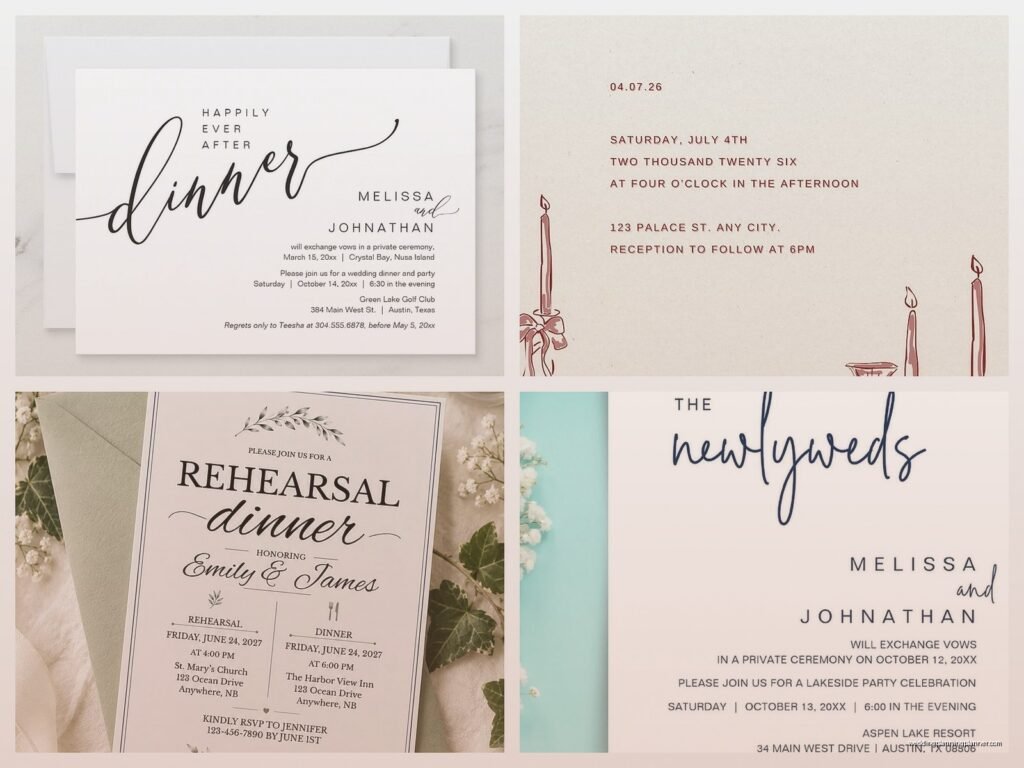
Wedding Dinner Invitation: Reception Meal Cards
Jun
Reception Meal Cards Are Basically Your Dinner Service Cheat Sheet
So reception meal cards are those little cards you include with your wedding invitations that tell guests what they’re eating and let them pick their meal choice. They’re super practical and honestly kinda necessary if you’re doing a plated dinner with options. I had this bride in spring 2023 who waited until three weeks before her wedding to realize she needed these and her caterer was absolutely losing it because they had zero idea what to order for 180 people.
The basic idea is simple – you send these cards out with your invitation suite, guests check off what they want to eat, they mail it back to you with their RSVP card, and then you have actual numbers to give your caterer. Without them you’re just guessing or assuming everyone wants the chicken which… they don’t.
What Actually Goes On These Cards
You need the guest’s name at the top. Some people do a fill-in-the-blank line, some pre-print names if they’re feeling fancy and organized. I usually tell clients to do the blank line because it’s easier and also people’s handwriting tells you who actually filled it out which helps when Aunt Susan sends back three cards and you can’t figure out which meal goes with which person.
Then you list your meal options with little checkboxes or circles next to each one. Most caterers will do 2-3 entree choices max. If you’re offering more than that you’re gonna make everything harder on yourself and honestly your guests don’t need seventeen options. It’s dinner, not a restaurant.
Here’s what you typically include for each meal option:
- The protein or main ingredient
- Brief description of preparation (grilled, roasted, pan-seared)
- What comes with it – sides, sauce, whatever
- Dietary info if relevant (vegetarian, gluten-free)
So instead of just writing “chicken” you’d write something like “Herb-Roasted Chicken Breast with roasted vegetables and garlic mashed potatoes” or whatever your caterer is actually serving. Be specific enough that people know what they’re getting but don’t write a novel about it.
The Annoying Part Everyone Forgets
You need a way to track who ordered what. This is the part that drives me absolutely crazy because couples never think about it until the week before the wedding when they’re trying to create a master list for their caterer and banquet manager.
The easiest system is to have guests write their name on the meal card and then you create a spreadsheet. I know, I know, spreadsheets aren’t romantic but you gotta do it. Make columns for table number, guest name, and meal choice. Your venue or caterer will need this info in a specific format and “a pile of little cards” isn’t gonna cut it.
Some couples try to do the thing where they use colored checkmarks or stickers on the escort cards to indicate meals but honestly that gets confusing fast and servers mess it up. Just give your venue a proper list.
Pre-Printing Names vs. Blank Lines
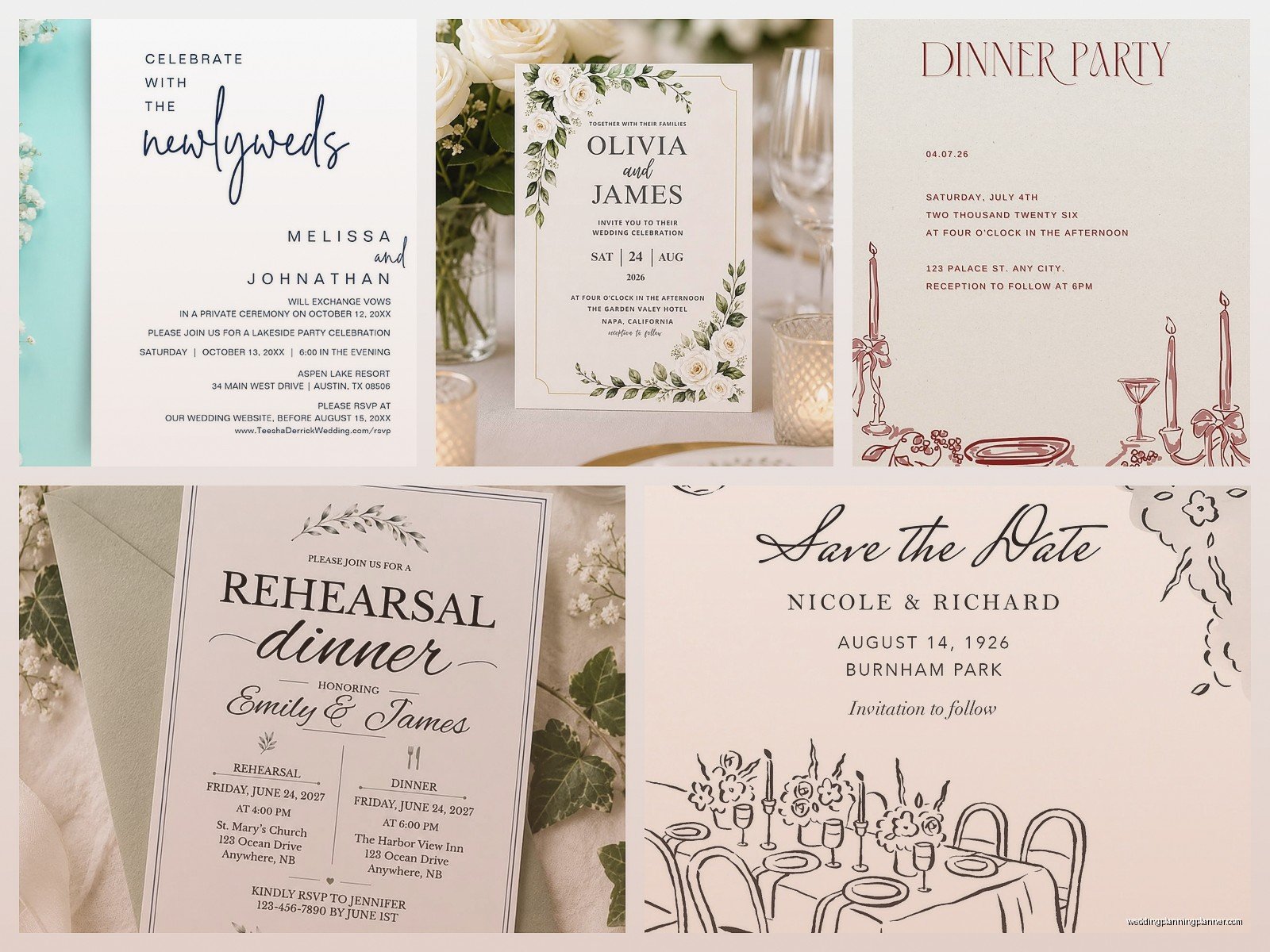
If you’re doing formal calligraphy on everything and you have your life together enough to know exactly who’s invited to what, you can pre-print each guest’s name on their meal card. This looks gorgeous and very fancy. The downside is you need to have your guest list completely finalized before you order your invitations which… good luck with that. Also if someone brings a plus-one you didn’t account for or if there’s a last-minute addition you’ll need backup blank cards anyway.
Blank lines are more flexible. Guests write their own names. Sometimes their handwriting is terrible and you’ll spend twenty minutes trying to figure out if that says “Brian” or “Bryan” but whatever, you’ll figure it out.
Dietary Restrictions and Allergies
You definitely need a line for dietary restrictions and allergies. Put it at the bottom of the card with something like “Please note any dietary restrictions or allergies:” and then a blank line or two. People will write everything from “gluten-free” to “I don’t like mushrooms” to entire paragraphs about their digestive system which is more than you needed to know but at least you have the information.
I worked with a caterer last summer who actually refused to serve a wedding because the couple didn’t collect any allergy info and someone had a severe shellfish allergy and there was shellfish in one of the appetizers and it became this whole liability thing. So yeah, cover your bases with that line on the card.
For kids meals, you can either list a separate kids option on the card or just add a checkbox that says “child’s meal (ages 12 and under)” or whatever age you’re using as the cutoff. Most caterers have a standard kids option that’s like chicken tenders or pasta with butter, nothing fancy.
Wording Examples That Actually Work
You don’t need to be super formal with the wording unless that’s your vibe. Here’s what I usually recommend:
Simple version: “Please select your dinner choice” and then list the options.
Slightly fancier version: “Kindly select your entrée preference for the reception dinner”
Casual version: “What sounds good?” (I had a couple do this for a backyard wedding and it was perfect for their style)
Then at the bottom you can add “Please return this card with your RSVP” or “Kindly return by [date]” so people know these cards need to come back to you.
Timing and Deadlines
Send these out with your invitations obviously. You want them back at least 6-8 weeks before your wedding, which means your RSVP deadline should be about 2 months out. Some caterers need final counts even earlier so check with them first.
Put the deadline date right on the card. Make it visible. People will still send them back late but at least you tried. I usually tell couples to follow up with anyone who hasn’t responded about a week after the deadline because you need those numbers.
That bride I mentioned from spring 2023? She ended up having to text every single guest individually to ask their meal preference because she didn’t send meal cards with the invitations. It took her like four days and she was ready to cancel the whole thing. Don’t be like that.
What If You’re Doing a Buffet or Family-Style
If you’re doing a buffet or family-style service where everyone gets access to all the food, you technically don’t need meal choice cards. But you might still want to send a card that lists what’s being served just so people know what to expect, especially if you have guests with dietary restrictions who need to plan ahead or arrange alternative meals.
For buffets, I usually suggest just including the menu information on your wedding website instead of adding another card to the invitation suite. Saves money on printing and postage. But if you’re not doing a website or you want everything in print, you can do a menu card that’s informational only – no checkboxes, just “Dinner will be served buffet-style with the following options” and then list everything.
Design Stuff That Matters
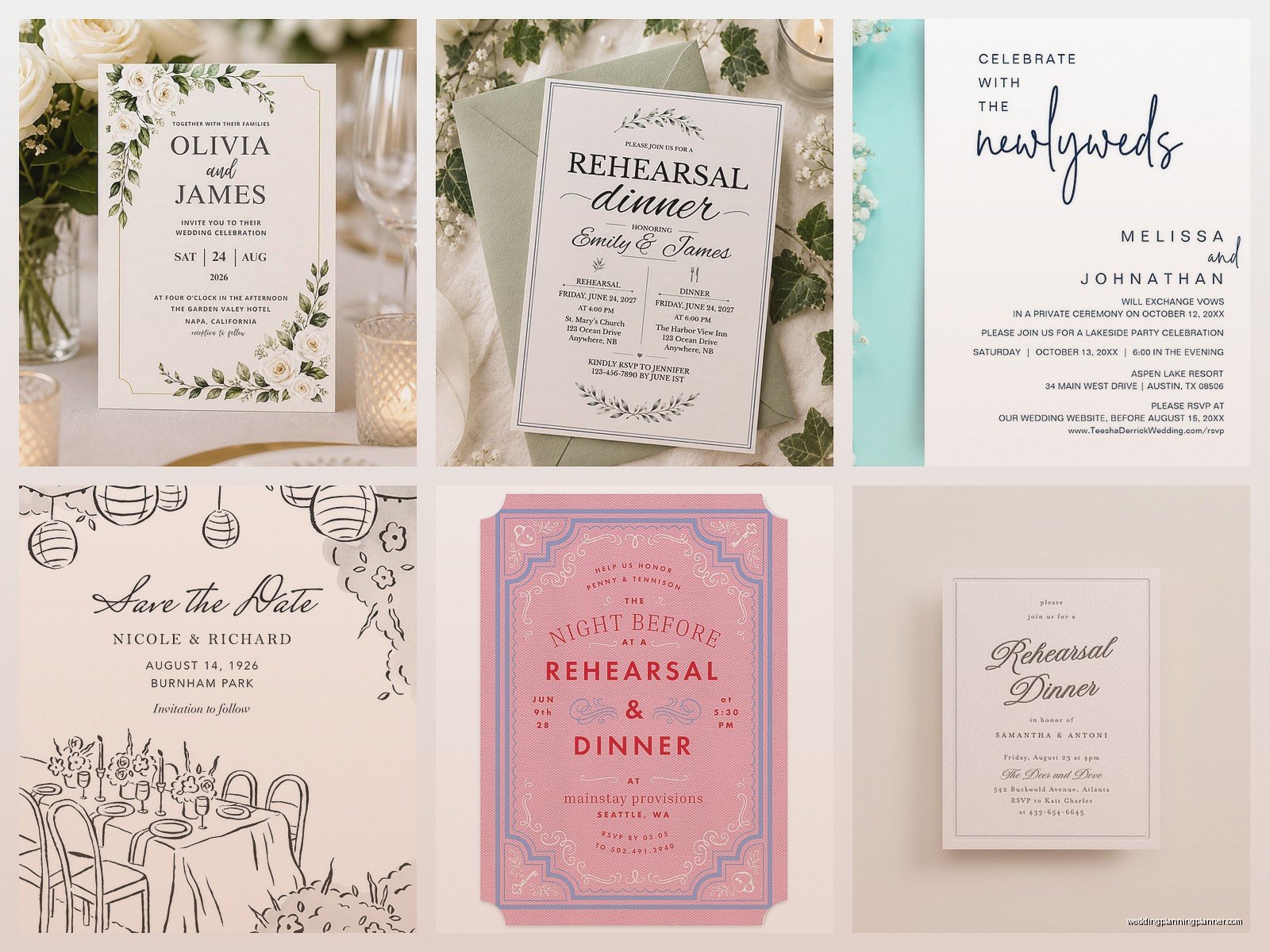
The meal cards should match your invitation suite obviously. Same paper, same fonts, same color scheme. They’re usually about 4×6 inches or 5×7 inches, something that fits nicely in your invitation envelope without being awkward.
You need checkboxes or circles that are big enough for people to actually check or fill in. I’ve seen cards with tiny little boxes that are impossible to mark clearly and then you can’t tell what people selected. Make them at least… I dunno, like a quarter inch square or bigger.
If you’re doing online RSVPs through your website, you can skip the physical meal cards entirely and just have people select their meals online. This is actually way easier for tracking because it goes straight into a digital system. But some guests (usually older relatives) struggle with online forms so you might need to have a backup plan for them.
Card Wording for Different Meal Scenarios
Here’s how to handle some common situations:
Two entrée options: Just list both with checkboxes. Easy.
Three or more options: Same thing but you might want to add a note like “please select one” because someone will definitely try to check multiple boxes.
Including a vegetarian option: List it as its own choice, don’t make it seem like an afterthought. “Grilled Portobello Stack with balsamic glaze and seasonal vegetables” sounds way better than “vegetarian option available.”
Plated vs. duet plate: If your caterer is doing duet plates where everyone gets two proteins (like a small portion of steak and fish together), you don’t need meal cards unless you’re offering different duet combinations.
The Kids Meal Situation
Kids meals are always weird to figure out. Some couples don’t want to pay for full adult meals for kids who’ll eat three bites and run off to play, which is totally fair. You can add a kids meal option to your card like:
“Children’s Meal (ages 12 and under): Chicken tenders, french fries, and fresh fruit”
Or you can have parents write in their kids’ ages and dietary needs in the restrictions section and handle it separately with your caterer. That’s more work for you but gives you more control over the cost.
My cat just knocked over my coffee which is perfect timing because I’m almost done anyway.
Common Mistakes People Make
Not including a return deadline. You need one. People will procrastinate forever if you don’t give them a date.
Making the descriptions too vague. “Fish” tells me nothing. “Salmon” tells me a little. “Pan-Seared Atlantic Salmon with lemon butter sauce” tells me enough to decide if I want it.
Forgetting to include a way to track responses. You need names on these cards or some system to know who ordered what.
Not ordering extras. Always order like 10-20 extra blank meal cards because you’ll need them for last-minute additions or replacements if someone spills coffee on theirs or whatever.
Assuming everyone will return them. They won’t. You’ll need to follow up with at least 20% of your guest list. Just accept this now.
Alternative Approaches
Some couples do the thing where they don’t offer choices – everyone gets the same meal. This simplifies everything but you still need to collect allergy and dietary restriction info. You can do a card that just says “Dinner will be served” with a description of the meal and then the dietary restrictions line.
Or you can do what one of my couples did and offer choices only for the main protein but everyone gets the same sides. So the card would say something like “All entrées served with roasted vegetables and garlic mashed potatoes. Please select your protein:” and then list the options. This keeps the caterer’s job easier while still giving guests some choice.
There’s also the approach where you put meal choice options on your RSVP card instead of a separate meal card. This works if you have room on your RSVP design and don’t want to add another card to the suite. Just make sure there’s enough space for people to clearly indicate their choices.
Working With Your Caterer
Talk to your caterer before you finalize your meal card wording. They’ll tell you exactly how they need the information and what details to include. Some caterers want very specific descriptions, others are fine with general terms. Some need the information in a particular format or by a specific deadline.
Ask them how they handle dietary restrictions and special meals. Do they need advance notice for gluten-free or vegan options? Do they charge extra for special preparation? You need to know this before you promise guests you can accommodate everything.
Also ask about their typical portions and what “counts” as a kids meal for pricing. If you’re paying $125 per adult meal and $25 per kids meal, you want to know the actual age cutoff they use.
Get the final headcount requirements in writing. Most venues and caterers need final numbers 1-2 weeks before the wedding and won’t let you reduce below that number (but they’ll happily let you increase and charge you more). So you need your meal cards back early enough to meet their deadline.