
Planning Guides, Style Guide
Nigerian Wedding Planner: Professional Services Guide
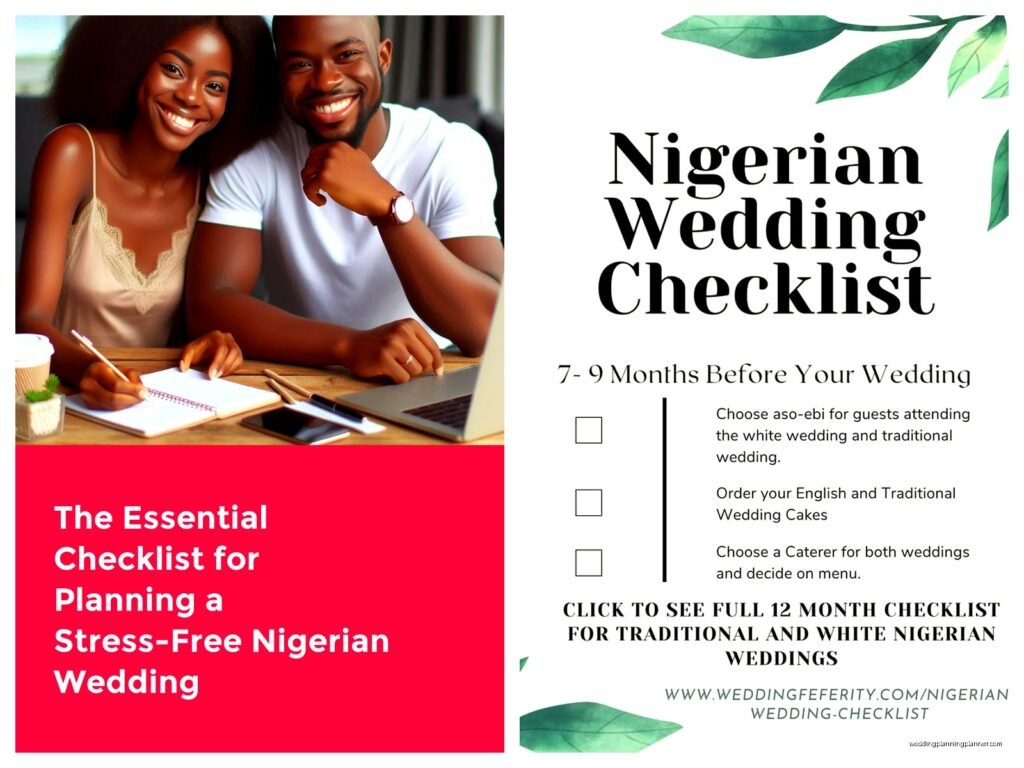
Oct
What Nigerian Wedding Planners Actually Do (It’s Way More Than Just Picking Colors)
So you’re thinking about hiring a Nigerian wedding planner or maybe you wanna become one yourself, right? Let me tell you, the job is nothing like what people see on Instagram. Like, nothing. I had this bride in spring 2023 who thought I just showed up on the day with a clipboard and made things look pretty. Girl literally asked me why my fee was so high when “all you do is coordinate vendors” and I almost lost it.
The Real Scope of Professional Services
Nigerian wedding planners handle everything from the traditional engagement (the intro, the wine carrying, all of it) to the white wedding and sometimes even the after-party. We’re talking multiple events, multiple outfits, multiple family dynamics that can get… intense. You need someone who understands that when the groom’s aunt says she wants to “just help with the aso-ebi,” she’s actually trying to take over the entire color scheme.
Full-service planning typically starts 12-18 months before the wedding. That’s when I get involved in venue selection, vendor sourcing, budget creation, and honestly, family mediation because Nigerian weddings are basically family reunions where everyone has an opinion. Partial planning is for couples who’ve already booked major vendors but need help with design, coordination, and making sure Uncle Emeka doesn’t grab the mic during the reception.
Budget Management (The Part Everyone Lies About)
Here’s what annoys me most about this industry: vendors who give you one price when you call as a regular person and another price when they hear “wedding.” It’s ridiculous. As a planner, I’ve built relationships with caterers, decorators, photographers, and makeup artists who give my clients honest pricing. A good planner saves you money even after you pay their fee, which is something people don’t realize until they see the final numbers.
Professional budget management means I’m tracking every single naira. I use spreadsheets that break down costs by category—venue, catering, photography, videography, decor, attire, entertainment, transportation, gifts, and the random stuff nobody thinks about like generator rental or extra security. Nigerian weddings can range from 2 million naira for a modest celebration to 50 million or more for the elaborate ones, and you gotta know where every kobo is going.
I also help clients prioritize. Maybe you want a live band AND a DJ, but the venue cost more than expected, so we need to… wait, actually, I just remembered my cat knocked over my coffee this morning right onto my vendor contact list, and I’m still mad about it. Anyway, prioritization means figuring out what matters most to YOU, not what your parents’ friends will gossip about.
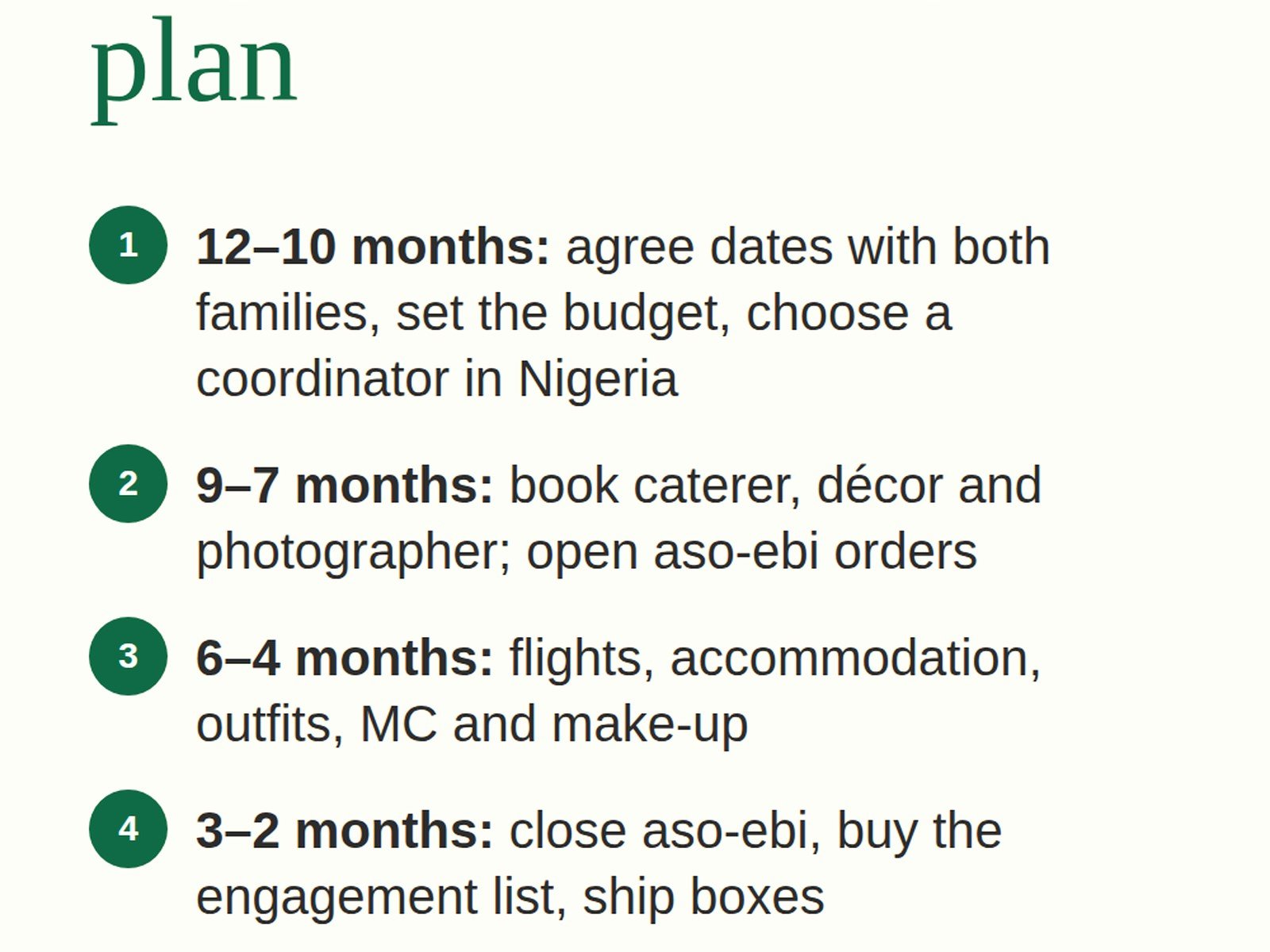
Vendor Coordination and Management
This is where planners earn their money, for real. I maintain a network of trusted vendors across different price points. For a typical Nigerian wedding, you’re coordinating:
- Venue managers (sometimes separate venues for traditional and white wedding)
- Caterers who understand Nigerian cuisine and timing
- Photographers and videographers (usually separate teams)
- Makeup artists for the bride, groom, and wedding party
- Decorators and rental companies
- Live bands, DJs, or both
- MC or compere
- Transportation for the couple and sometimes guests
- Security personnel
- Aso-ebi coordinators
- Traditional wedding vendors (those who handle the proposal items, wine, etc.)
Each vendor needs contracts, deposit schedules, final payment arrangements, and a detailed timeline. I send out a master timeline about two weeks before the wedding, then a revised one three days before because something always changes. Always. The baker’s generator breaks down, or the decorator suddenly can’t get the specific shade of coral you wanted, or the DJ is now claiming he never agreed to play Afrobeats for three hours straight even though it’s literally in the contract.
Design and Styling Services
Nigerian weddings have gotten SO extra in the past five years. People want ceiling drapes, floral installations, custom backdrops, themed tables, and lighting that costs more than some people’s cars. As a stationery consultant too, I help couples create cohesive design elements from the save-the-dates through the thank-you cards.
Color palettes need to work across both traditional and white wedding events. You might wear traditional attire in burgundy and gold for the introduction, then switch to blush and champagne for the white wedding. Making sure these don’t clash while still feeling connected is kinda tricky. I create mood boards, fabric swatches, and design mockups so clients can visualize everything before we start spending money.
The stationery package usually includes invitation suites, programs, menu cards, place cards, table numbers, welcome signs, hashtag signs (everyone wants a custom hashtag now), and sometimes even custom napkins or matchbooks. I work with local printers and calligraphers who understand the specific wording conventions for Nigerian invitations—you can’t just copy a template from Pinterest when you need to properly list both families according to tradition.
Timeline Creation and Day-Of Coordination
Creating timelines for Nigerian weddings is honestly like solving a puzzle where the pieces keep changing shape. Traditional weddings might start at 10 AM but actually start at 11:30 because “African time” is real and I’ve stopped fighting it. You build in buffer time for everything.
A typical white wedding timeline looks something like this:
- 12:00 PM – Ceremony scheduled (actually 12:45 PM)
- 2:00 PM – Cocktail hour while photos happen
- 3:30 PM – Reception doors open
- 4:00 PM – Grand entrance
- 4:30 PM – First dance, parent dances
- 5:00 PM – Dinner service begins
- 6:00 PM – Toasts and speeches
- 6:30 PM – Cake cutting
- 7:00 PM – Money spray and dancing
- 9:00 PM – Bouquet toss and send-off
But here’s the thing—that timeline is more like a suggestion because Nigerian weddings run on their own schedule. The money spray alone can take an hour or more depending on how many guests want to spray the couple. I’ve learned to schedule the important photo moments and cake cutting earlier in the evening so we’re not trying to do them at 10 PM when everyone’s tired and the lighting is terrible.
Family Dynamics and Cultural Protocol
This is the part they don’t teach you in wedding planning certification courses. Nigerian weddings involve navigating family expectations, cultural protocols, and sometimes outright family drama. I’ve mediated disputes about guest lists (the groom’s mother wants to invite her entire church), seating arrangements (certain family members cannot sit near each other), and who gets to give speeches.
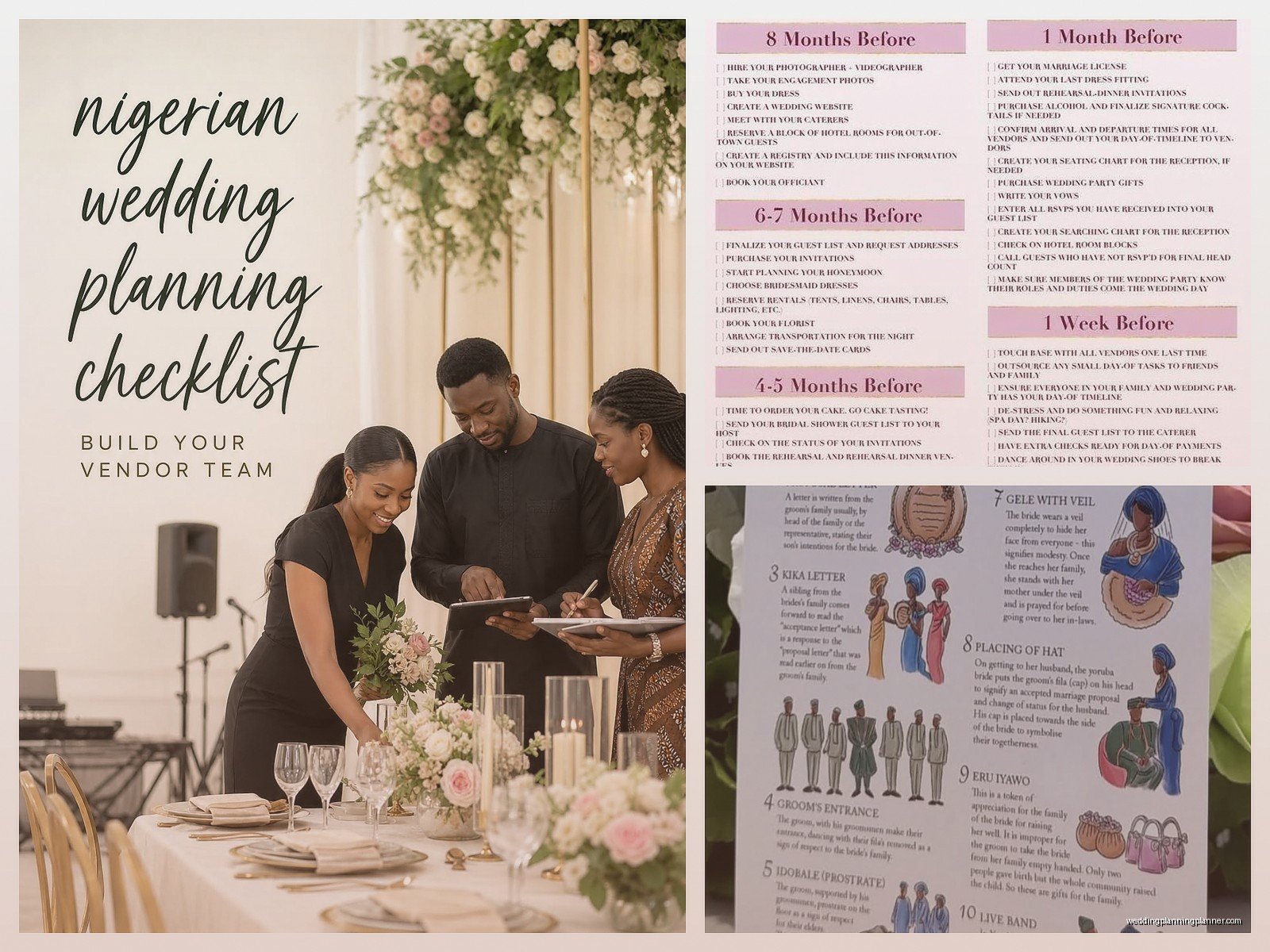
The traditional engagement ceremony has specific protocols depending on whether you’re Yoruba, Igbo, Hausa, or from another ethnic group. As a planner, I research these customs or work with cultural consultants to make sure we’re respecting tradition while still creating a personalized experience. You need to know about the knocking on the door ceremony, the presentation of the bride, the wine-carrying, and all the symbolic items that need to be presented by the groom’s family.
I also help couples balance what they want versus what their families expect, which is… it’s basically counseling at this point, honestly. Some parents think they’re paying so they get to decide everything, and I have to gently remind everyone that it’s the couple’s day while also making sure the parents feel respected and involved.
Crisis Management (Because Something Always Goes Wrong)
Summer 2021, I had a wedding where the generator failed during the reception, the backup generator also failed, and we were in the middle of a money spray when everything went dark. Like completely dark. I had to quickly coordinate with the venue to bring in their third generator while keeping guests entertained with acoustic music from the band and assuring the bride that no, her wedding was not ruined. We got power back in 15 minutes, but those were the longest 15 minutes of my professional life.
Good planners have backup plans for the backup plans. I carry an emergency kit with sewing supplies, stain remover, safety pins, scissors, tape, bobby pins, tissues, pain relievers, antacids, breath mints, and a portable phone charger. I’ve sewn torn dresses, cleaned wine stains off white gowns, and once even drove across Lagos to pick up forgotten wedding rings because the best man left them at home.
Pricing Structures for Planning Services
Nigerian wedding planners typically charge in one of three ways: flat fee, percentage of budget, or hourly rate. Flat fees range from 500,000 naira to 5 million naira or more depending on the scope and the planner’s experience. Percentage-based fees are usually 10-15% of the total wedding budget. Hourly rates are less common but might be 15,000 to 50,000 naira per hour for consultations or partial planning.
Most planners require a deposit to secure the date (usually 30-50% of the planning fee), with the remainder paid in installments leading up to the wedding. Some planners also charge separately for day-of coordination if you only need someone to manage vendors and timeline on the actual wedding day—that’s usually 200,000 to 800,000 naira.
Additional services like stationery design, guest accommodation coordination, honeymoon planning, or post-wedding brunch coordination cost extra. I’m transparent about all costs upfront because there’s nothing worse than surprise fees when you’re already stressed about wedding expenses.
What to Look for When Hiring a Planner
If you’re hiring a Nigerian wedding planner, you want someone with a solid portfolio of weddings similar to your style and budget. Ask to see full wedding galleries, not just the pretty highlight photos on Instagram. Request references from recent clients and actually call them. Ask about the planner’s vendor relationships, their crisis management experience, and their familiarity with your specific cultural traditions.
Red flags include planners who won’t provide detailed contracts, who are vague about their fees or what’s included, who don’t have liability insurance, or who seem to push specific vendors without explaining why. You want someone who listens to your vision, not someone who’s gonna force their aesthetic onto your wedding.
Meet with at least three planners before deciding, and pay attention to communication style. If they take three days to respond to your initial inquiry, that’s probably how they’ll communicate throughout the planning process, and you don’t want that stress. Trust your gut—you’ll be working closely with this person for months, so the relationship needs to feel right.
DIY vs. Professional Planning
Some couples think they can plan their Nigerian wedding themselves to save money, and sure, it’s possible, but it’s also exhausting. You’re essentially taking on a part-time job that involves negotiations, logistics, design, and family management. I’ve had couples come to me six weeks before their wedding begging for help because they’re overwhelmed, and at that point, the planner’s job is so much harder because half the vendors are already booked and decisions that should’ve been made months ago are now urgent.
If you’re gonna DIY, at least hire a day-of coordinator so someone else is handling vendor arrivals, timeline management, and problems on the actual day. You don’t want to be dealing with the caterer’s late arrival while you’re supposed to be getting married. Just… trust me on this, it’s not worth the stress or the tension it creates.
The Business Side for Aspiring Planners
If you want to become a Nigerian wedding planner, you need more than just a love for weddings. Get proper training through wedding planning courses or certification programs. Build relationships with vendors by attending industry events and offering to assist established planners on their events. Create contracts that protect both you and your clients—I use a lawyer who specializes in event contracts to review mine annually.
You also need business insurance, a solid accounting system for tracking income and expenses, and a CRM or project management tool for organizing client details and timelines. I use a combination of planning software and good old spreadsheets because some things just work better in Excel, you know?
Marketing yourself requires a strong portfolio, active social media presence, and networking within the wedding industry. Join professional organizations, contribute to wedding blogs, and ask satisfied clients for testimonials and referrals. Most of my business comes from referrals now, but it took years of building that reputation through consistently excellent service.
